
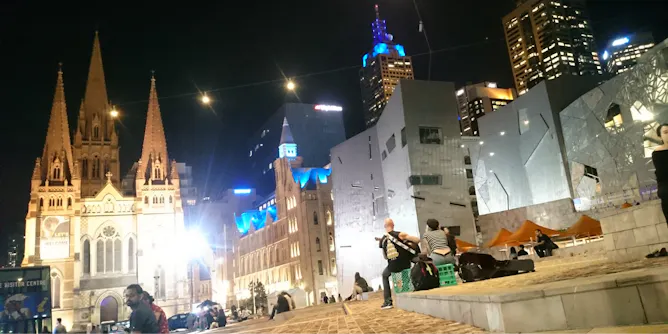
It took Melbourne a very long time to create a civic square that served the citizens rather than commerce. Now an Apple store is to be built there, unless parliament supports a disallowance motion.
Articles on Town planning
Displaying 61 - 80 of 85 articles
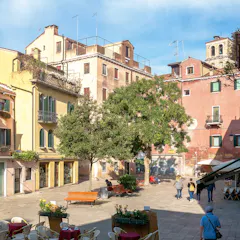
Done right, a plaza can bring life and a sense of identity to an area. So why has urban design in Australia neglected the town square in favour of green space, and what makes for a successful one?
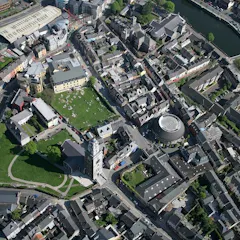
A suburb in the Irish city of Cork sets the standard for involving the community in heritage building conservation. Public engagement is the key to managing the inevitable conflicts.

Adaptively re-using buildings can preserve heritage while enabling new uses that help make cities more liveable and sustainable.
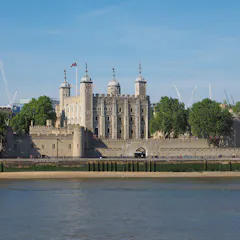
When talking about heritage, we need to be clear about our definitions and our objectives for each building. Then we can work on achieving the optimum balance of heritage and sustainability.
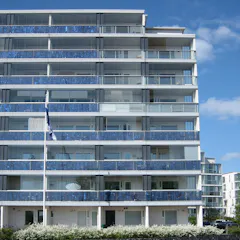
Not everyone can afford to pay for solar panels up front, but local planners can help disadvantaged households overcome energy poverty in several ways.
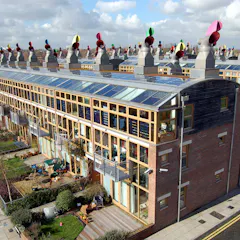
Traditional urban planning is being stretched by the pace at which renewable energy systems are being installed. New codes and guidelines are needed to manage emerging conflicts over land use.

Australians are losing the backyards that once served as retreats from the stresses of city living. Our health is likely to suffer as cities become less green and much hotter.
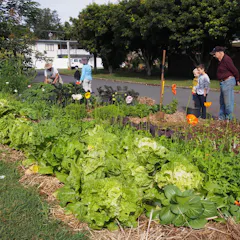
Urban residents are increasingly keen to farm verges, parks, rooftops and backyards, but planning rules sometimes stand in the way.
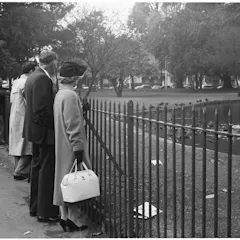
Melbourne is a product of British colonial planning policies to control public access and movement in Australian cities. This legacy still influences the use of public spaces today.
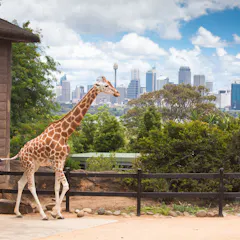
It’s not all about the gym and your diet. The places where we live and work shape our health, too.
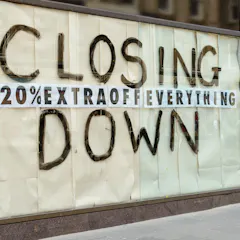
Can new Metro Mayors save our struggling town centres?
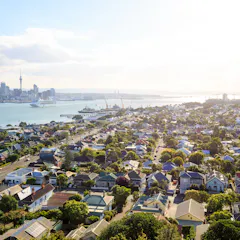
Urban planners have been blamed for a lot of things, including higher housing costs. But the solution is to refine the process, not sideline the good planning that makes cities safe and liveable.
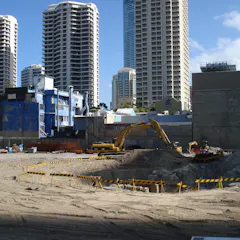
Conflicts over coastal areas have largely been between development and preserving what makes these attractive places to live. Rising sea levels are now complicating our relationship with the coast.
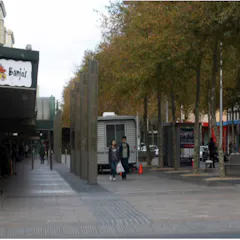
Redesigning spaces of conflict starts with creating life on the edges. Geelong offers contrasting examples of city centre spaces: one with problems inherent in its design and a nearby one that works.
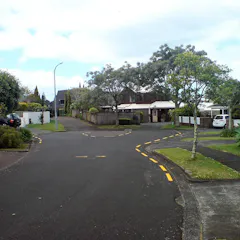
Understanding what makes a neighbourhood street a good place to live for adults with intellectual disability can help create places that are good for everyone.
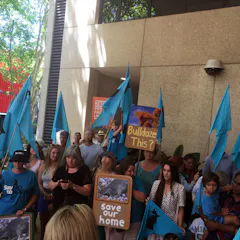
One reason Perth’s Roe 8 project is the subject of passionate protests is that it’s a case of a government asserting power over people rather than exercising power with local communities.

It’s time for governments to think long-term about the kind of places they want to create.
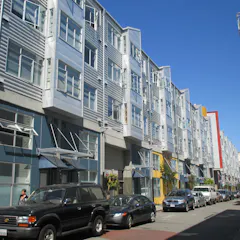
Changes in how we live and work call into question current planning regulations relating to mixed-use development.
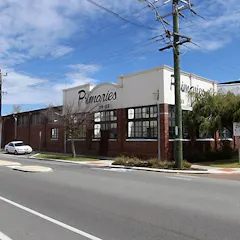
Exceptional projects can emerge when regulations are sensibly relaxed due to context. A Fremantle project is a model of progressive higher-density possibilities resulting from flexible planning rules.
Top contributors
-

Professor of Human Geography and Planning, University of Tasmania
-
Senior Lecturer in Urban and Environmental Planning, Griffith University
-
Adjunct Senior Lecturer, School of Architecture and Built Environment, University of Newcastle
-
Deputy Head of School, School of Architecture and Built Environment, University of Newcastle
-
Associate Professor, School of Architecture and Built Environment, University of Newcastle
-
Professor of History, University of Canterbury
-
Senior Lecturer in Planning, The University of Queensland
-
Associate Professor in Urban and Regional Planning, University of Sydney
-
PhD Candidate and Sessional Tutor, The University of Melbourne
-
Professor and Head of School of Architecture and Built Environment, University of Newcastle
-
Assistant professor, School of Resource and Environmental Management, Simon Fraser University
-
Senior Lecturer, Geography and Environmental Studies, University of Tasmania
-
Associate, Institute for Public Policy and Governance, University of Technology Sydney
-
Professor of Management, University of the Sunshine Coast
-
Associate Professor of Real Estate Management, Delft University of Technology