
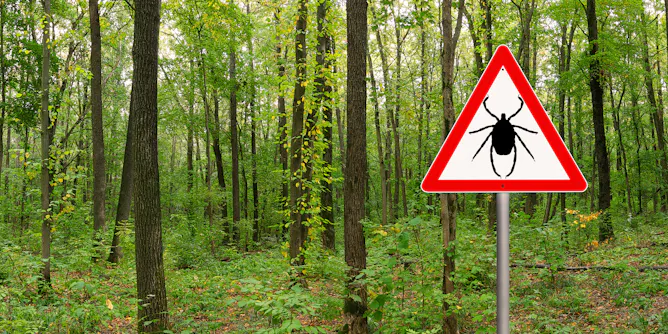
There is plenty of misinformation circulating about ticks and the diseases they may carry. Here are four myths debunked, along with tick facts to keep people safe when exploring the outdoors.
Articles on Ticks
Displaying 21 - 40 of 43 articles

More than 300 dogs in WA and the NT have tested positive to canine ehrlichiosis, a potentially fatal disease transmitted by ticks.
What might look like a mild case of COVID-19 could actually be a bacterial infection from a tick bite, with potentially debilitating symptoms if it goes untreated.

Many patients without a diagnosis of Lyme disease report a constellation of symptoms, sometimes for years. Does chronic Lyme disease exist?

Lyme disease is the most common tick-borne disease in the West.

A tick expert explains his work trying to understand why the abundance of the parasites vary so much from location to location and year to year.

Scientists know the bacterium that causes Lyme disease has been out in the wild since long before any biological weapons research could have focused on it. And that’s just for starters.
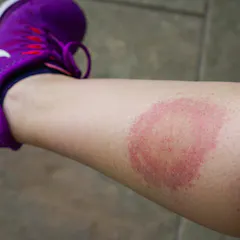
The Pentagon has been instructed by the House of Representatives to investigate whether ticks were infected with Lyme disease by the US military.
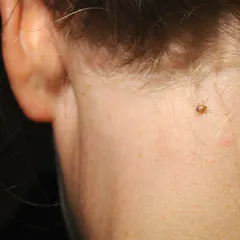
Tick-borne diseases are becoming more common in the United States. A public health entomologist outlines some of the lesser-known threats ticks pose to human health.

From heat stroke to asthma to lyme disease, climate change already poses a serious health risk.
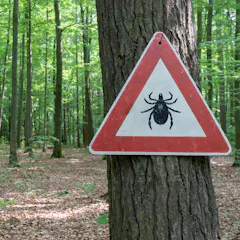
If you are bitten by a tick, you need to find out what species it was, fast. A research team has developed a website to help people in Quebec, Ontario and New Brunswick do just that.
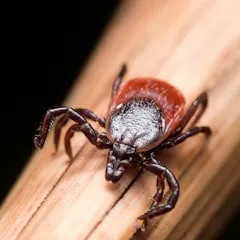
Ticks are generally inactive in the winter and start to look for their next meal as temperatures warm up. But as winters warm, every season may become tick season.
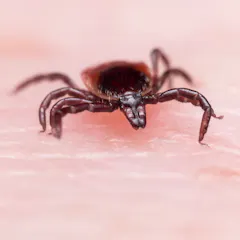
Fall is peak activity time for adult blacklegged ticks, increasing the risk of tick bites on both people and pets.
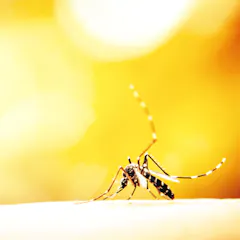
Is our changing climate making regions of the US more suitable for ticks and mosquitoes that spread diseases? Or is the climate changing human physiology making us more vulnerable?
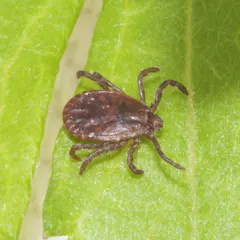
There is a new type of tick spreading in New Jersey, and it doesn’t need a male to reproduce. It’s known to spread disease and is proving
difficult to eradicate.
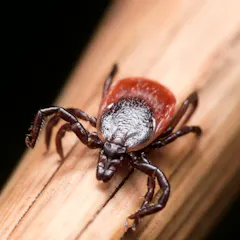
The CDC recently announced an uptick in diseases spread by vectors such as mosquitoes and ticks. Here’s why and what you can do to lower your risk.
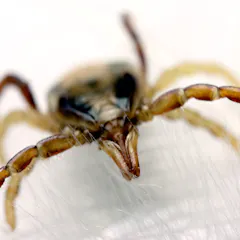
In Australia, only three infectious diseases are known to be transmitted from ticks to humans: Queensland tick typhus; Flinders Island Spotted Fever; and Q fever.

Tick paralysis affect 10,000 dogs each year in eastern Australia, and the treatment can be very expensive. Fortunately, a new drug available is available.
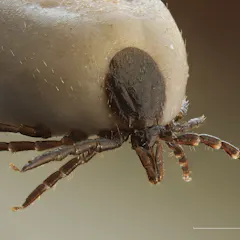
How a microbe from the ice age could wreck your life – and how to protect yourself.
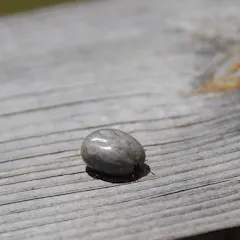
A government investigation into whether Lyme disease exists in Australia and how to treat it has ended without being able to resolve the issues. But there is a plausible explanation for why people here…
Top contributors
-

Associate Professor of Biology, University of Richmond
-
Emeritus professor, Murdoch University
-
Associate professor, Murdoch University
-
Professor of Interdisciplinary Parasitology, University of Nottingham
-
Clinical Associate Professor, School of Medical Science & Sydney Infectious Diseases Institute; Principal Hospital Scientist, University of Sydney
-
Senior Entomologist, Penn State
-
Professor in Biochemistry, Murdoch University
-
Professor of Infectious Disease and Global Health, Tufts University
-
Research Fellow, Malaria biochemistry, Monash University
-
Assistant Research Professor of Entomology, Penn State
-
Postdoctoral Fellow, Indiana University
-
Assistant Professor of Recreation, Parks and Tourism, Indiana University
-
Assistant professor, University of Guelph
-
Richard Malik is a Friend of The Conversation.
Veterinary Internist (Specialist), University of Sydney
-
Professor of Biology, University of Newcastle