
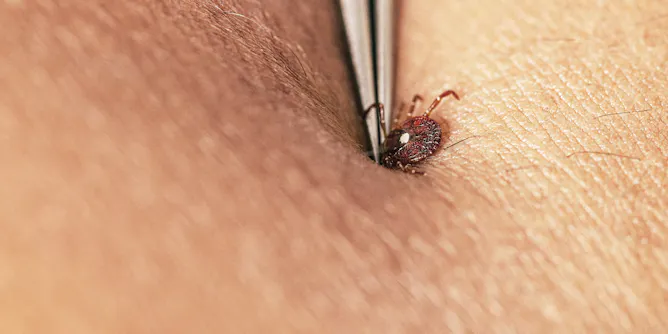
A tick disease researcher explains the risks and how she avoids bringing home ticks from both work and walking her dog in the woods. Lint rollers, tick checks and some types of chemicals play a role.
Articles on Deer tick
Displaying all articles

Some simple steps can help keep you tick-free as you enjoy the outdoors.
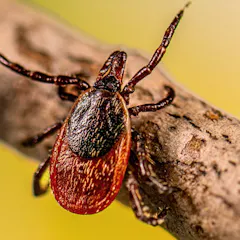
Changes to forests, and how close people and their livestock live to them, have changed tick habitats and the risks humans face of Lyme disease and other illnesses.

The bacterium that causes Lyme disease is a master of disguise, changing its appearance to evade the immune system as it moves from the ticks that carry it to humans or animals.
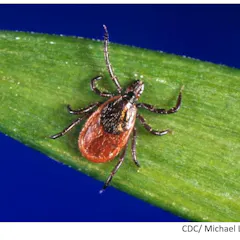
How bad are ticks this year? An expert explains why tick-borne diseases are on the rise.
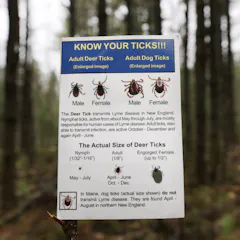
Reforestation and reintroduced deer populations are helping ticks expand their range. The parasites bring the bacteria that causes Lyme disease with them.
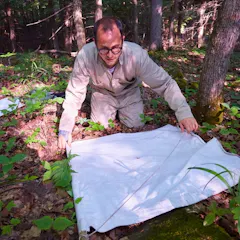
A tick expert explains his work trying to understand why the abundance of the parasites vary so much from location to location and year to year.
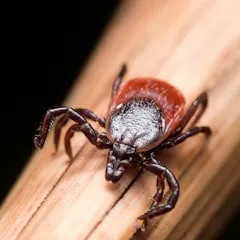
Ticks are generally inactive in the winter and start to look for their next meal as temperatures warm up. But as winters warm, every season may become tick season.
Top contributors
-

Associate Professor of Biology, University of Richmond
-
Assistant Professor, McMaster University
-
Research scientist/Adjunct professor, University of Saskatchewan
-
Assistant Professor in Biology, Middlebury College
-
Co-Director of the Tick-Borne Disease Center, Binghamton University, State University of New York
-
Professor Emeritus of Epidemiology (Microbial Diseases), Yale University
-
Assistant Professor of History, West Virginia University
-
Associate Professor of Infectious Disease Medicine, University of Colorado Anschutz