

Talking to a friend about a problem can make matters worse, especially for women.
Articles on Therapy
Displaying 121 - 140 of 156 articles

Taxpayers’ money would be better spent on therapies that are proven to work.

… and does it work?
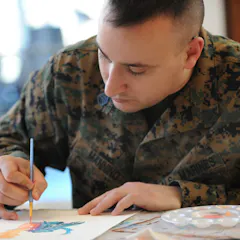
Using creativity and artistic metaphor to tap unconscious memories helps release pent up trauma.

A new study found a woman’s partner can help decrease PMS symptoms, rather than exacerbating them.
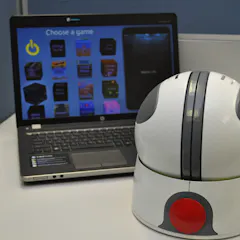
Video games aren’t just fun, they can also be potent therapeutic devices. The OrbIT has shown it can help children with cerebral palsy to improve their hand function.
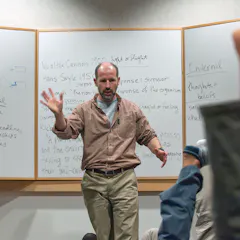
Hold up: mindfulness training as a complementary therapy in cancer treatment might not work for everyone.

A growing body of research literature suggests time spent gardening is as good for the gardener as it is for the garden.

It makes no sense to continue relationship counselling in a therapist’s office – it is far better to do it in the more natural environment of the home.

Smartphones, tablets and computers are increasingly expanding the availability of health services. This means we can access help anonymous at a time and place that suits us.

From education to sport to sex, virtual reality has dozens of applications, and we’re only just scratching the surface of its potential today.

The odds of recovering from a terrible experience are higher than you might think.
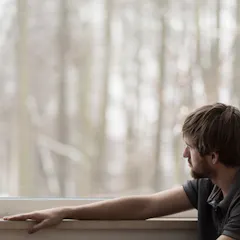
Depression can have a devastating impact when you’re young, so what do teenagers think about their experience?

The sexual abuse of children is, understandably, a key concern for the public. But misperceptions about those who perpetrate it abound in public debate.

While evidence suggests that the therapeutic relationship is a critical part of psychotherapy, the impact of the relationship often isn’t studied in clinical trials for trauma survivors with PTSD.
So you’re depressed. You know this because a health profession has told you so, or because there is no mistaking the symptoms. Perhaps you’ve been depressed before. What now?

Take one mental health issue, then add the label of a disorder, then see if therapists apply their own prejudices.

Increasing autistic children’s levels of vasopressin, a hormone that regulates social behaviour, could help treat the social deficits common to autism, research suggests.
Many who suffer from anxiety tend to blame themselves for their “tricky” brains. Compassion-focused exercises can soothe horrible bouts of anxiety, as they did for me on a recent trip home from Bali.

By better supporting at-risk families we can prevent the ‘transmission’ of mental illness from parents to children.
Top contributors
-

Clinical Psychologist and Associate Professor of Psychology, La Trobe University
-
Assistant Professor (Clinical) of Occupational Therapy, Wayne State University
-
Professor of the Psychology of Religion and Theology, Boston University
-
Lecturer - Women's Health; Pharmacology, School of Biomedical Sciences, The University of Western Australia
-
Clinical Psychologist and Professor in the Department of Psychology and Neuroscience, Dalhousie University
-
Senior Lecturer in Music Therapy, University of South Wales
-
Assistant Professor in Clinical Psychology, University of Cambridge
-
Professor, School of Educational Psychology & Counselling, Monash University
-
Professor of Psychiatry, UNSW & Black Dog Institute, UNSW
-
Clinical Psychologist, University of Surrey
-
Lecturer, Manchester Metropolitan University
-
Professor of Endocrine Pharmacology, University of Exeter
-
Research associate, UNSW
-
Animal Geographer, Keele University
-
Professor of Clinical Psychology and Applied Science, Director, University of Bath and AWP NHS Trust Centre for Specialist Psychological Treatments of Anxiety and Related Problems (CSPTARP), University of Bath