

Despite the rising burden of stroke across Africa, there is no continent-wide framework or standardised protocol for stroke management.
Articles on Telemedicine
Displaying 1 - 20 of 35 articles
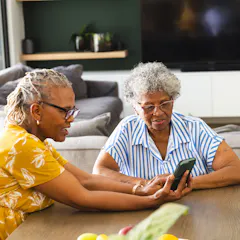
Three-quarters of health care in Canada is provided at home by unpaid family caregivers. Not only is this essential health-care work often unrecognized and under-supported, it is rapidly changing.
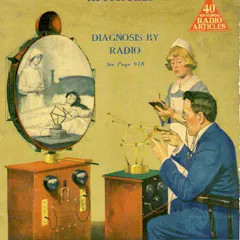
From the teledactyl and the medical mantis to Zoom doctoring and beyond, scifi and real-world medical technology have developed hand in hand.

Space exploration is not a waste of resources, but a source of technological and medical advances, a tool for climate monitoring and a source of educational inspiration for youth.
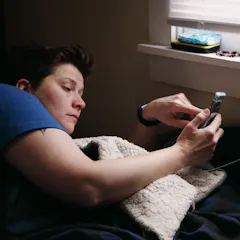
Sometimes you just can’t wait to see a doctor. With the addition of more virtual services during COVID, these days you have more options.
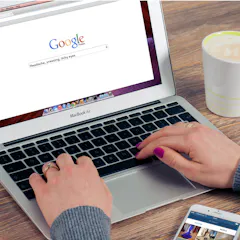
Searching symptoms online has become so common there is a name for the condition of health anxiety induced by self-diagnosis on the internet: Cyberchondria.
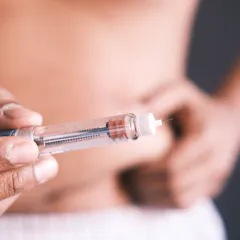
As diabetes progresses, insulin injections become the only treatment option. But the transition from oral medication to injectable insulin is often a bumpy one.

How do mental health apps compare to in-person therapy? A social worker and expert on technology and human services explains.
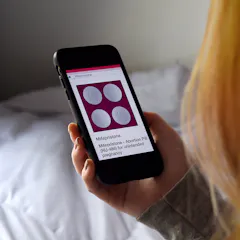
Three experts answer questions about the effectiveness, safety and side effects of medication abortion, using mifepristone followed by misoprostol.
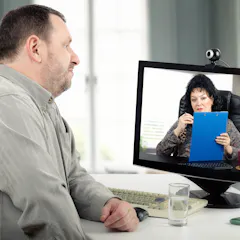
By creating both an urgent need for mental health care and the need to prevent the spread of COVID-19, the pandemic is enabling telemedicine to go mainstream.

During the pandemic, health care providers began prescribing abortion pills without requiring in-person exams. This practice could help people access the care they need when abortion rights are in limbo.

Pandemic-related travel restrictions and facility closures initially jeopardized access to abortions, but the pandemic has also become a catalyst for more accessible ways to deliver abortion care.
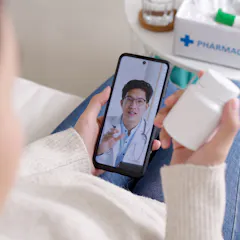
Given the success of telehealth and virtual care during the pandemic, it would be a mistake to automatically return to pre-pandemic norms of health care.

Telemedical abortions are safe and ensure access for all those who may need treatment.

The pandemic has demonstrated the need for self-managed medical abortions carried out at home.

Some countries made abortion access easier during the pandemic. Others used it as an excuse for a crackdown.
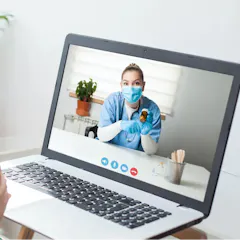
The legal uncertainty surrounding telemedicine services is not without consequences. Patients may not have access to public protection remedies.
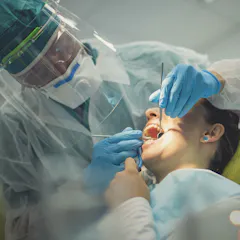
Even during COVID-19, there are ways to keep your teeth healthy.
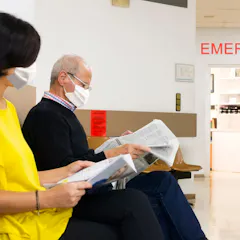
With COVID-19 placing heavy demands on the health-care system, non-COVID patients may struggle to access care, putting women, people in poor health and those without a regular doctor at risk.

Moving primary care online and cancelling key services such as organ transplants is likely to have an outsized effect on BAME communities.
Top contributors
-

PhD Candidate, Health Innovation (Medicine, Health and Human Sciences), Macquarie University
-
Sciences Po
-
Assistant Professor, Rutgers University
-
Teaching Fellow (Integrated Care), University of Surrey
-
Chaired Professor & Academic Director, Rotman Global Executive MBA in Healthcare & Life Sciences, University of Toronto
-
Digital Health Transformation Research Fellow, The University of Melbourne
-
Associate Professor, School of Pharmacy and Pharmaceutical Sciences, The University of Queensland
-
Professor of Telehealth; and Director of the Centre for Online Health, The University of Queensland
-
Munk Journalism Fellow/Registered Nurse, University of Toronto
-
Academic Specialist & Senior Lecturer in Cancer Sciences & Digital Health | Superstar of STEM | Science Communicator, The University of Melbourne
-
Chaired Professor & Academic Director, Rotman Global Executive MBA in Healthcare & Life Sciences, University of Toronto
-
Candidat au doctorat en océanographie, Université du Québec à Rimouski (UQAR)
-
Chairperson, Diabetes Alliance; Co-founder, Diabetes Research Centre, University of Pretoria
-
Associate Professor of Health Economics and Policy, Carleton University
-
Senior teaching fellow, University of Surrey