

Teenagers develop empathy over time, but those who feel safe and connected with their families may have a head start.
Articles on Teens
Displaying 101 - 120 of 151 articles

Some skeptics say that the growing prevalence of transgender teens is a fad. But history and some recent research show it’s not so simple.

As teens forge their post-pandemic identities, let’s afford them the ‘dignity of risk,’ in their whole lives including their sexualities.

A viral TikTok video is helping girls bear witness to the harassment they experience at school.
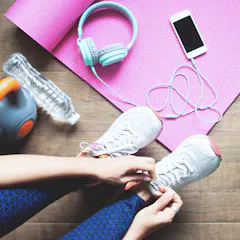
Our study showed that social media often had a positive influence on young people, motivating them to be healthier.

Growing core coping skills isn’t just a matter of learning not to be triggered by children’s strong feelings; it’s also about creating positive meaningful activities that promote mutual bonding.

Understanding a family member’s diagnosis can help teens feel less stressed, afraid and alone.
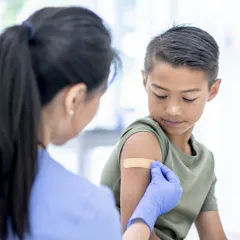
COVID-19 vaccine testing on children is just getting started, and only in adolescents.

Tolerating inquiry is essential even if there are such things as questions no one should ask.

COVID-19 is affecting many people’s state of mind, but some of the most vulnerable members of our communities are children and youth with pre-existing mental health challenges.

“Never Have I Ever” is a fresh, fun and poignant addition to television’s repertoire of coming-of-age stories, especially for stories of Indian teenage girls.

Together the social and emotional ‘jobs’ of adolescence – developing intimate friendships and achieving autonomy – make teens uniquely resistant to calls for social distancing.

We don’t know how long-lasting the effects of the virus will be, but the outbreak is already having a deep psychological impact on people and disrupting life on a massive scale.

Americans under 30 are far less likely to vote than older citizens. Stepping up civics instruction might help change that, a scholar explains.

As many as 100,000 US adolescents currently spend at least part of the year in these therapeutic or disciplinary programs.

Since caffeine is in so many different foods and drinks, it’s easy for kids – or grownups – to get more than they should without realizing it.

New research finds that the different ways boys and girls use digital technology might explain the discrepancy.

It’s a surprisingly common question. Here’s what you need to know.

Researchers found that between 2008 and 2016, self-harm rates among Danish teenagers actually decreased.

Firearms are the second leading cause of death among US children and adolescents.
Top contributors
-

Professor of Psychology, San Diego State University
-
Professor, Canada Research Chair in Determinants of Child Development, Owerko Centre at the Alberta Children’s Hospital Research Institute, University of Calgary
-
Tier 1 Canada Research Chair in School-Based Mental Health and Violence Prevention, L’Université d’Ottawa/University of Ottawa
-
Assistant Professor of Psychology, Wayne State University
-
Professor of Information Sciences & Director, Social Change Enabling Impact Platform, RMIT University
-
Postdoctoral Research Fellow, University of Tasmania
-
Professor of Psychology, University of Kentucky
-
Researcher, Digital Wellbeing, Western Sydney University
-
Chief Program Officer, USC Annenberg School for Communication and Journalism
-
Senior Research Fellow in Organizational Leadership, Policy and Development, University of Minnesota
-
Professor of Psychiatry & Psychology, University of California, Los Angeles
-
Adjunct Professor, Simon Fraser University
-
Dean and Walter H. Annenberg Chair in Communication, USC Annenberg School for Communication and Journalism
-
Education & Communications Coordinator, Bixby Center for Global Reproductive Health, University of California, San Francisco
-
Associate professor, RMIT University