

Adolescent biology, early morning classes and too much evening screen time are a few of the key drivers behind teen sleep deprivation.
Articles on Teens
Displaying 81 - 100 of 151 articles

Parents and caregivers can support teens with the transition to high school by taking the time to connect and talk, whenever and however you can.

Youth suicides in the US have increased by around 50% over the past decade – gun availability is a big part of that trend.

As the comment period begins for the FDA’s proposed ban, public health experts explain the stakes.

Pre-pandemic, reading rates among teenagers were falling. But BookTok, a subculture of social media platform TikTok, has made teens read more often – and influences what they read. Here’s how it works.

Mental health services aren’t meeting young people’s needs, particularly during the global pandemic. But research shows parents can learn how to reduce anxiety and depression in early teens.

Too sleepy? In a rush? Or something more concerning? Teenagers often get turned off breakfast. Chat to them to find out why and offer some easy options.

A group of Ukrainian teens writes about what they will do when the war ends. ‘The first thing that I would do is play the piano. I will play as long as I can,’ writes one.

Discord was initially a service to let gamers voice and text chat while playing. Most of its current users build and maintain online communities, though not always very big ones.

Psychologists and technology designers are working together to make digital experiences hard for kids to put down.

Adolescence lies between childhood and adulthood, but adolescents are neither big children nor little adults. They have increased food requirements to support their rapid physical growth and maturation.

Teens across millennia have yearned to explore, try new things and participate in risky behaviours. The key difference, however, seems to be the experience of a rebellion or restlessness.

As someone who’s been researching e-wearables as a means to teach children about mental health for over 10 years, I’ve seen some alarming unintended consequences with their use.

Research suggests that an important question parents can consider with pre-teens and teens is: “What are you doing online and how is it making you feel?”

Research from Meta and some scientists shows no harm from social media, but other research and whistleblower testimony show otherwise. Seemingly contradictory, both can be right.

One in three Canadian youth experience dating violence. Early intervention is critical to preventing the negative effects, but adolescents report significant barriers to finding support.
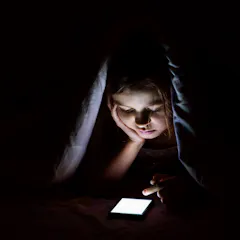
It’s tempting to think limits would cause teens to riot in the streets. But Facebook’s own research reveals that young people are well aware of social media’s downsides.
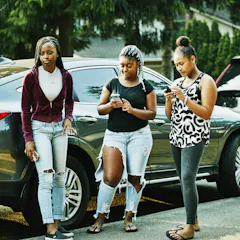
Ample research demonstrates the harms Instagram causes teen girls, especially around body image. Meta is now facing the consequences of knowingly marketing a harmful service.

A youth group gives juvenile offenders a chance to advocate for change in the justice system.

Students’ academic worries persisted through the pandemic. A developmental scientist offers tips to support young people heading back to school.
Top contributors
-

Professor of Psychology, San Diego State University
-
Professor, Canada Research Chair in Determinants of Child Development, Owerko Centre at the Alberta Children’s Hospital Research Institute, University of Calgary
-
Tier 1 Canada Research Chair in School-Based Mental Health and Violence Prevention, L’Université d’Ottawa/University of Ottawa
-
Assistant Professor of Psychology, Wayne State University
-
Professor of Information Sciences & Director, Social Change Enabling Impact Platform, RMIT University
-
Postdoctoral Research Fellow, University of Tasmania
-
Professor of Psychology, University of Kentucky
-
Researcher, Digital Wellbeing, Western Sydney University
-
Chief Program Officer, USC Annenberg School for Communication and Journalism
-
Senior Research Fellow in Organizational Leadership, Policy and Development, University of Minnesota
-
Professor of Psychiatry & Psychology, University of California, Los Angeles
-
Adjunct Professor, Simon Fraser University
-
Dean and Walter H. Annenberg Chair in Communication, USC Annenberg School for Communication and Journalism
-
Education & Communications Coordinator, Bixby Center for Global Reproductive Health, University of California, San Francisco
-
Associate professor, RMIT University