
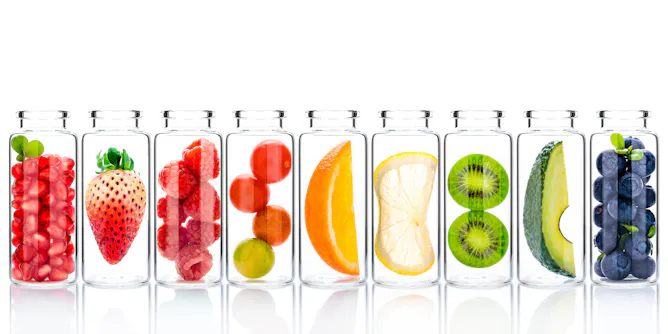
Pinpointing the chemical compounds that make a fruit tasty to consumers can help producers breed for even more flavorful crops.
Articles on Taste
Displaying 21 - 40 of 58 articles
If you ever feel like you can’t stop eating sugar, you are responding precisely as programmed by natural selection. What was once an evolutionary advantage has a different effect today.
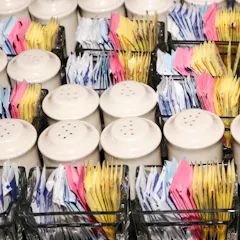
Just because something is sweet doesn’t necessarily mean it is sugary. There are a number of molecules that taste sweet. To understand how and why takes a little bit of chemistry.

Two tongue tips are better than one – an evolutionary biologist explains why snakes have forked tongues.
COVID-19 patients often lose their sense of smell and taste. This is rare for a viral infection. At-home smell tests could be used as a screening tool and help slow the spread of the coronavirus.

Is it possible that people who recover from COVID-19 will be plagued with long term side effects from the infection? An infectious disease physician reviews the evidence so far.
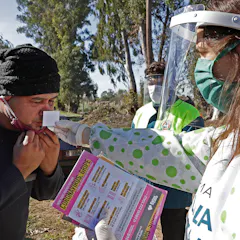
Many respiratory viruses cause us to temporarily lose our sense of smell. But SARS-CoV-2 isn’t like those other viruses. Researchers are now exploring how it differs and whether patients recover.
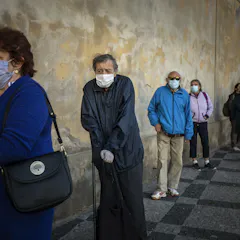
All of the senses have been affected by the coronavirus pandemic, not because the senses have changed, but because the world has, writes a sensory historian.
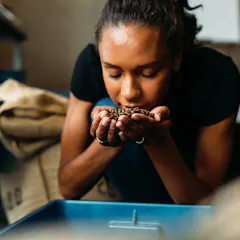
Patients who later test positive for COVID-19 are reporting early loss of smell and taste. Researchers are now trying to understand if this could be an early sign of the disease.
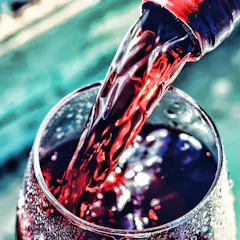
Researchers would like to find a way to relate the human perception of dryness to the chemical and physical properties of the wine.

As we get older, the way we experience taste can change drastically – but it’s not all down to one sense.
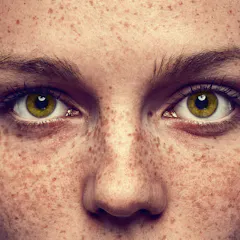
Would you rather lose your sense of touch or your vision? Here are the pros and cons of each, according to science.
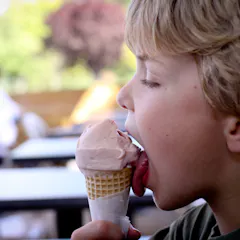
Your tongue, saliva and nose work together to help you taste your food.
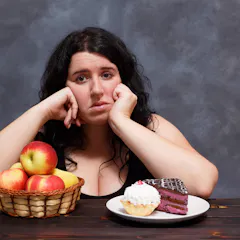
Recent studies have shown that we may be able to train ourselves to become more sensitive to certain tastes, which leads to feeling more full and satisfied after eating a meal.
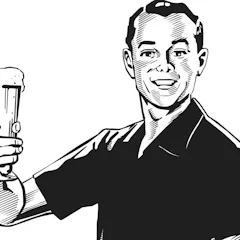
The unique role of the temperance movement in US history might explain why, when it comes to Americans’ tastes, bland beer is still king.

Number crunching the Hottest 100 votes produces fascinating insights into shifting musical tastes and poses the question: why was 1997 such a great year for music?

Make that winter dram an intellectual one.
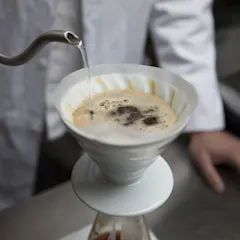
The science behind why what your barista achieves at the cafe tastes better than what you can come up with at home.
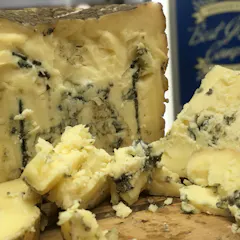
Taste dictates most food choices, but there’s more to it than just the taste buds on your tongue.
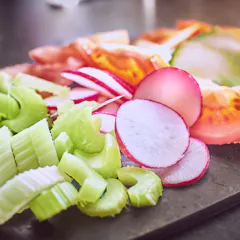
Is it best to chop your salad vegies? What’s good in theory doesn’t always make much difference in practice, as the science tells us.
Top contributors
-

Senior Research Scientist, Human Health, CSIRO
-
Research Professor of Psychology, George Washington University
-
Professor of Pharmacology and Therapeutics, University of Florida
-
Senior Lecturer in food and nutrition sciences, Deakin University
-
Associate Professor of Chemistry, University of Richmond
-
Professor of Food Science, Penn State
-
Lecturer in Ecology and Evolution & Research Fellow at Zoological Society of London, University of Cambridge
-
Professor of Pervasive Computing, City St George's, University of London
-
University of Florida
-
Senior Lecturer Visual and Material Culture, Nottingham Trent University
-
Research Fellow, Brunel University of London
-
Associate Professor of Educational Psychology, The University of Texas at Austin
-
Assistant Professor of Computational Materials Chemistry, University of Oregon
-
Associate Professor, Department of Economics, Macquarie University
-
Principal Research Fellow, CQUniversity Australia