
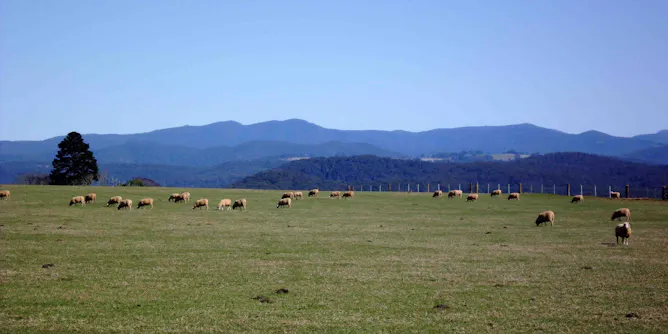
The world needs to move towards sustainable agriculture – but what is that, exactly? Australia urgently needs coherent policy.
Articles on Sustainable agriculture
Displaying 21 - 35 of 35 articles
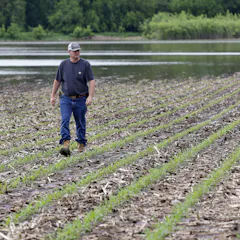
Three scholars argue that agriculture is failing to sustain either the land or American farmers. They propose a modern version of the New Deal that centers on ecology and economic fairness.
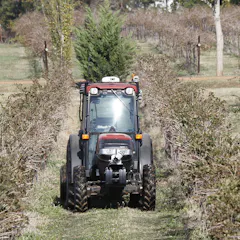
Digital innovations have the potential to empower farmers and revolutionise agriculture, but many could also lock them in to unsustainable methods.
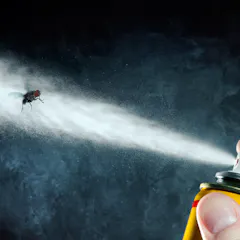
It’s easy to whip out the fly spray, but our fondness for pesticides can bring knock-on effects such as increased resistance, and harming beneficial insects in and around our homes.
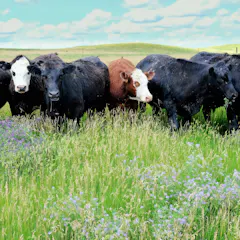
US agriculture is dominated by large farms that rely on chemical inputs. In contrast, regenerative farming makes land and water healthier by mimicking nature instead of trying to control it.
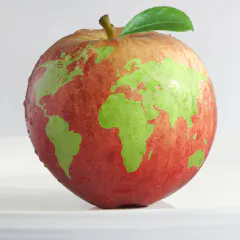
New research finds a sustainable food system is possible but will require huge global changes.
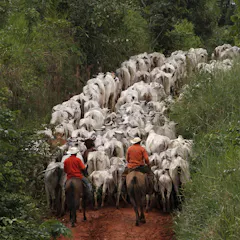
Brazil has been throwing money at Amazonian cattle farmers, hoping they’ll adopt ‘greener’ crops like fruit or corn. A new study shows why loans won’t fix the environmental issue presented by ranches.
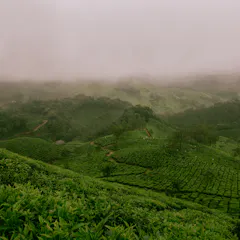
Sequencing the tea plant’s genome could help scientists breed new varieties that thrive in the degrading soil of tea farms.
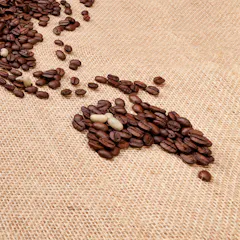
Your cup of coffee might cost the world more than you think, but a little knowledge goes a long way if you want to make an eco-friendly choice.
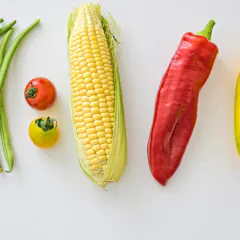
Is organic produce better for you? Can organic farming feed the world? Those might be the wrong questions.

According to widely-cited estimates, world food production must double by 2050 to keep up with population growth. New research challenges this target and calls for balancing growth with conservation.
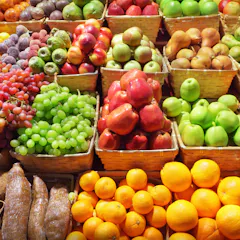
The food we eat is responsible for almost a third of our global carbon footprint.
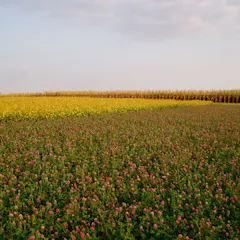
Sustainable agriculture in Africa has the ability to act as an example for other regions worldwide. But to do this the approaches and technology taken must be interdisciplinary.
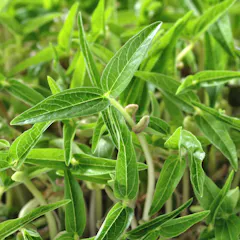
Growing enough food to feed 9 billion people by 2050 will require huge amounts of energy and water. Using nanoparticles to boost plant growth and yield could save resources and reduce water pollution.
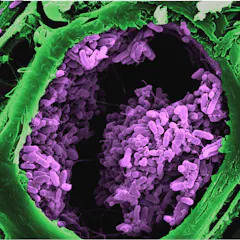
Vaccines aren’t just for animals anymore. Research shows priming plants with pathogen-derived compounds strengthens their immune systems and enhances protection against future attack.
Top contributors
-

Assistant Professor of Geography, Indiana University
-
Executive Director, Swette Center for Sustainable Food Systems, Arizona State University
-
Distinguished Professor, Stellenbosch University
-
Chairman, Department of Energy, Environmental and Chemical Engineering, Washington University in St. Louis
-
Moran Professor of Conservation and Development, University of Cambridge
-
Adjunct Lecturer, Environment and Agriculture, Curtin University
-
Post-Doctoral Associate, University of Minnesota
-
Senior Research Fellow & Lecturer, School of Environmental and Rural Science, University of New England
-
Principal Research Fellow, RMIT University
-
Researcher in Ecology, Universidade Federal do Pará (UFPA); Empresa Brasileira de Pesquisa Agropecuária (Embrapa)
-
PhD student Theoretical Production Ecology, Agricultural Philosophy, Animal Science, Stellenbosch University
-
Assistant professor, Vrije Universiteit Amsterdam
-
Professor, University of British Columbia
-
University of California, Riverside
-
Research Scientist, Washington University in St. Louis