

Stroke kills more women than breast cancer and more men than prostate cancer, yet you’re unlikely to read much about this condition.
Articles on Stroke
Displaying 121 - 140 of 189 articles

People having a mini stroke can experience a variety of symptoms. The most important are weakness on one side affecting the face, arm or leg – or all three – or speech disturbance.

Without research on primates, we wouldn’t be able to understand the human brain – or repair it.

What makes aspirin different to other NSAIDs, used to relieve pain, is its ability to thin the blood. It is used to prevent blood clotting in those at risk of heart disease and stroke.

Even for those on statins, a healthy Mediterranean eating pattern has been shown to bring extra benefits.

Stroke patients need therapy to recover, but there are not enough human therapists to meet the need. Can robots help?

Diabetes is a leading cause of death as well as of heart attacks, strokes, amputations, kidney failure, depression and severe infections – all of which themselves contribute to premature death.

Global deaths from heart disease rose from 12.3 million in 1990 to 17.3 million in 2013. Most of the increase occurred in developing countries and in disadvantaged people in developed countries.
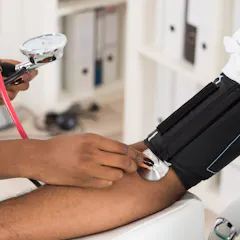
Hypertension is one of the leading causes of cardiovascular diseases such as stroke, heart attacks, heart failure and peripheral vascular disease. And in the developing world, it is on the rise.
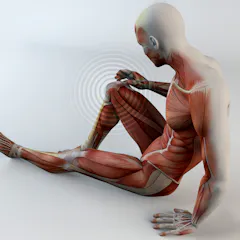
New breakthrough in how to test proteins linked to touch and movement could have major implications for strokes, diabetes, spinal injuries and much more.

The reason why some of us can’t help but to dance, and others can’t hold a beat, might lie in the brain.
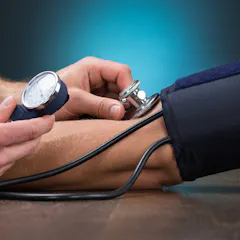
It’s known that Montmorency cherry juice improves sleep, gout symptoms and muscle recovery after exercise. The latest research shows that it can also reduce blood pressure.

As many as one in 50 people are face blind, meaning they can’t tell one face from another.
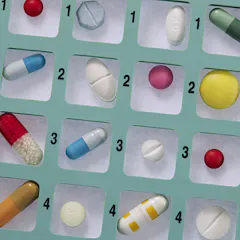
Patients with chronic illness need support and encouragement to take their medications. SMS messaging is a simple, cheap and seemingly effective way to keep them on track.

People with speech problems following a stroke receive intensive speech therapy – but it doesn’t always help. Here’s why the future looks brighter.

New draft guidelines for using aspirin to prevent heart attacks have created confusion about who, exactly, should actually take it.

One in six Australians will have a stroke in their lifetime. That’s about 51,000 strokes per year, or one every ten minutes.

George R. R. Martin’s Hodor is a textbook example of someone with expressive aphasia.

Sleep is vital for good health but more may not always be better for everyone. In fact, a growing body of research shows that it may increase your risk of early mortality.

Cardiovascular disease (CVD), the catch-all term for diseases affecting the heart and blood vessels – including heart attack and stroke – is the leading global killer. And bad heart health can lead to…
Top contributors
-

Senior Nurse Lecturer, London South Bank University
-
Professor of Medicine, University of Sydney
-
Clinical Professorial Research Fellow, Australian Women and Girls' Health Research Centre, The University of Queensland
-
Professor of Nursing and Director of Health Innovations, University of Wollongong
-
Cardiologist at Westmead Hospital; Director of the Westmead Applied Research Centre, University of Sydney
-
Senior Lecturer, School of Psychology and Neuroscience, University of Bristol
-
Professor of Life Course Epidemiology, Faculty of Medicine, The University of Queensland
-
Professor and Canada Research Chair in Person Centred Interventions for Older Adults with Multimorbidity and their Caregivers, School of Nursing, McMaster University
-
Professor of Health Sciences, Simon Fraser University
-
Program Director of Nutrition and Food Sciences, Accredited Practising Dietitian, Adelaide University
-
Adjunct Professor, Department of Obstetrics and Gynecology, Faculty of Medicine, Dalhousie University, Mount Saint Vincent University
-
University of Edinburgh
-
Assistant Professor of Global Health, University of Washington
-
Professor of Health Economics, The University of Melbourne
-
Neurologist, The University of Western Australia