

Obesity is a disease that shares several characteristics with cancer, but does not get the same society-wide recognition of its disease status, so people with obesity are less likely to get treatment.
Articles on Stroke
Displaying 41 - 60 of 189 articles
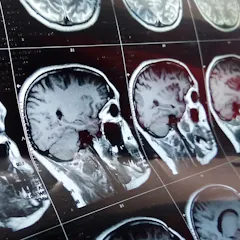
For people with health conditions, disabilities or injuries that do not qualify for ACC, the road to recovery can be long and hard. It is past time for us to do better.
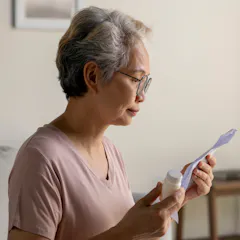
New research shows low-dose aspirin doesn’t prevent strokes in relatively healthy people aged over 70. And it increased their risk of bleeding on the brain after falls or other injuries.

This common heart condition puts you at increased risk of having a stroke, especially if you also have high blood pressure. But our new research shows what you can do to lower your risk.
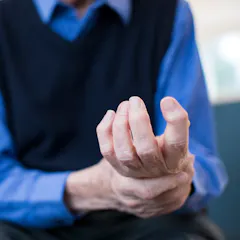
Gout, psoriasis, inflammatory bowel disease and rheumatoid arthritis are all risk factors for heart disease. They all have one thing in common: inflammation.
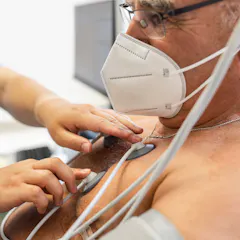
Many people with long COVID experience persistent debilitating symptoms like fatigue and brain fog. But a few develop more life-threatening and lasting damage to their heart and brain.

Research shows the key to changing your diet is focusing on changing eating habits and food behaviours, one at a time.
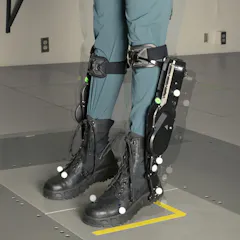
If you want to use an exoskeleton to improve balance, a study finds that superhuman reflexes can help you stay upright.
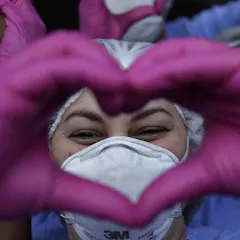
Women are often under-diagnosed and under-treated for heart disease and may be unaware of their specific risk factors. Clinical and research practices need to reflect the diversity of women in Canada.
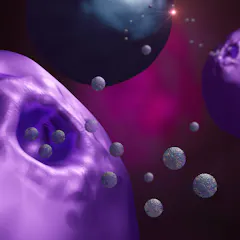
People with an active case of shingles have up to an 80% higher risk of stroke than those without. The increased risk is highest for patients under 40.

Auditory processing disorders and aphasia can make spoken speech difficult to produce and understand. But these challenges alone do not imply cognitive impairments.

Health guidelines can feel contradictory and hard to interpret. But a new star rating system should help consumers and policymakers better parse the evidence behind health risks and outcomes.

Kid Cudi and Hailey Bieber are among the growing proportion of stroke victims who are under 45.

The key to understanding how brains can recover from trauma is that they are fantastically plastic – meaning our body’s supercomputer can reshape and remodel itself.
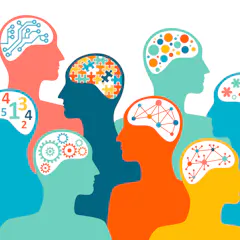
Existing brain connections may influence the effectiveness of neurostimulation. Tailoring treatments to each individual brain could expand the number of conditions brain stimulation can treat.

Family and friends provide nearly all the care needed by stroke patients after they leave hospital. Caregiving can be rewarding, but it can also be overwhelming and take a toll on caregivers’ health.
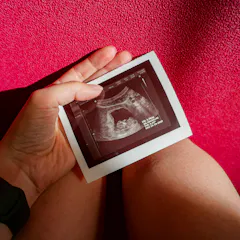
Our study is the first to conclusively show the link between pregnancy loss and stroke risk.

New research shows promise in reversing damage to newborn babies who have had a stroke.

We all know we should reduce our salt intake, but can you remember why? Knowing might help you cut back.
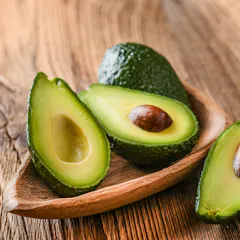
Eating half an avocado twice a week could slash your risk of getting heart disease.
Top contributors
-

Senior Nurse Lecturer, London South Bank University
-
Professor of Medicine, University of Sydney
-
Clinical Professorial Research Fellow, Australian Women and Girls' Health Research Centre, The University of Queensland
-
Professor of Nursing and Director of Health Innovations, University of Wollongong
-
Cardiologist at Westmead Hospital; Director of the Westmead Applied Research Centre, University of Sydney
-
Senior Lecturer, School of Psychology and Neuroscience, University of Bristol
-
Professor of Life Course Epidemiology, Faculty of Medicine, The University of Queensland
-
Professor and Canada Research Chair in Person Centred Interventions for Older Adults with Multimorbidity and their Caregivers, School of Nursing, McMaster University
-
Professor of Health Sciences, Simon Fraser University
-
Program Director of Nutrition and Food Sciences, Accredited Practising Dietitian, Adelaide University
-
Adjunct Professor, Department of Obstetrics and Gynecology, Faculty of Medicine, Dalhousie University, Mount Saint Vincent University
-
University of Edinburgh
-
Assistant Professor of Global Health, University of Washington
-
Professor of Health Economics, The University of Melbourne
-
Neurologist, The University of Western Australia