

Across Canada and the United States, more than two million people are living with aphasia and its language and communication challenges.
Articles on Stroke
Displaying 61 - 80 of 189 articles

Bruce Willis’ family today revealed he has been diagnosed with aphasia. So what actually is aphasia and why haven’t we heard of it before?

By altering the body’s internal clock, ‘springing forward’ may contribute to an increase in heart attacks and strokes.

Neurologic music therapy aims to help patients manage symptoms and function better in daily life.
Computational modeling can predict language therapy response in bilingual people with aphasia. In the future, this could help clinicians identify the best language for treatment.

It seems as though every other week there’s a study telling us coffee is good for us, or it’s bad for us. Here’s what to make of this new piece of research.

Being unable to communicate their thoughts and feelings is one reason almost two-thirds of people with aphasia suffer from depression.

Non-specific illnesses, such as headache and fatigue, are common, as are mental illnesses such as depression and anxiety.

New research has highlighted the benefits of high-intensity interval training.

The pandemic is exacerbating deficiencies that already existed in stroke care and support – here’s what needs to be done.

A stroke often leads to the sudden onset of weakness involving the face, arm or leg, an inability to speak, difficulty walking or impaired vision. Strokes can cause death and irreversible disability.
Regular testing can mean potentially fatal diseases can be picked up and treated early.

Fewer patients attended hospital with mild strokes during the spring, but the reasons behind this are a mystery.
Scientists have developed and tested a new anti-clotting drug in mice that shows promise for treating heart attacks and stroke. It may also prove useful for COVID-19.

Air traffic controllers have to process and manage large amounts of information to get airplanes to their destinations. The brain manages the incessant traffic of neurons in a similar fashion.

The virus seems to have a range of effects on the brain, even in patients with only mild lung illness.

Health services are seeing a drop in people seeing urgent care for stroke patients. Here’s how you can make sure your loved ones are safe.

Why did a fit, healthy man have so many blood clots in rapid succession, despite blood-thinning treatment?

Fear of contracting coronavirus in hospital means people could be suffering in silence at home without getting the essential care they need.
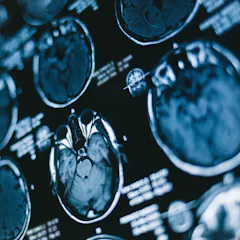
A new tool for seeing hotspots in the brain could help doctors detect neurological disorders.
Top contributors
-

Senior Nurse Lecturer, London South Bank University
-
Professor of Medicine, University of Sydney
-
Clinical Professorial Research Fellow, Australian Women and Girls' Health Research Centre, The University of Queensland
-
Professor of Nursing and Director of Health Innovations, University of Wollongong
-
Cardiologist at Westmead Hospital; Director of the Westmead Applied Research Centre, University of Sydney
-
Senior Lecturer, School of Psychology and Neuroscience, University of Bristol
-
Professor of Life Course Epidemiology, Faculty of Medicine, The University of Queensland
-
Professor and Canada Research Chair in Person Centred Interventions for Older Adults with Multimorbidity and their Caregivers, School of Nursing, McMaster University
-
Professor of Health Sciences, Simon Fraser University
-
Program Director of Nutrition and Food Sciences, Accredited Practising Dietitian, Adelaide University
-
Adjunct Professor, Department of Obstetrics and Gynecology, Faculty of Medicine, Dalhousie University, Mount Saint Vincent University
-
University of Edinburgh
-
Assistant Professor of Global Health, University of Washington
-
Professor of Health Economics, The University of Melbourne
-
Neurologist, The University of Western Australia