
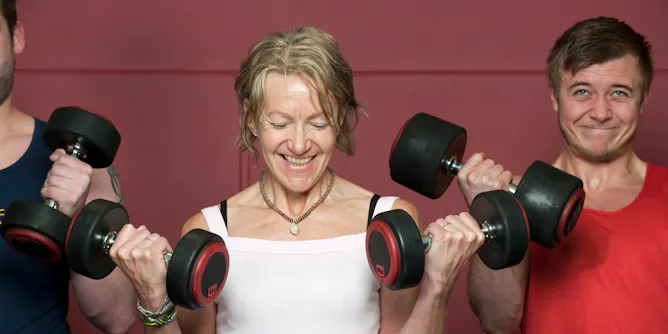
Being strong can help you stay independent for longer, lower risk of injuries and is beneficial for overall wellbeing.
Articles on Strength training
Displaying 21 - 40 of 50 articles
How to structure your workout − resistance then aerobic training or vice versa − depends on your exercise goals.
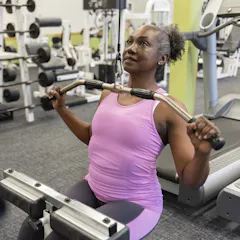
Weightlifting and other forms of resistance training can help stave off loss of muscle mass and other age-related physical decline.

‘Rucking’ involves adding weight to a backpack while walking or hiking.
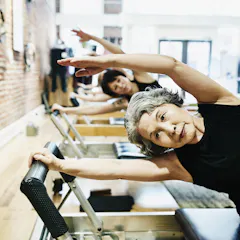
It’s long been known that exercise helps maintain strength and agility as we age. New research points to the importance of exercise type in supporting cognitive health in the latest decades of life.
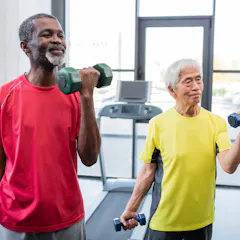
It’s never too late to start.
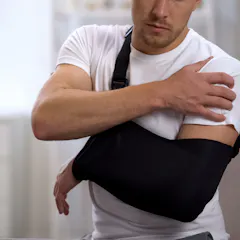
Working one arm or leg could help strengthen the corresponding injured or immobilised limb and also stop it wasting away from lack of use.

Does intermittent fasting have a negative or positive effect on athletic performance? At the moment, the scientific data about this is contradictory.
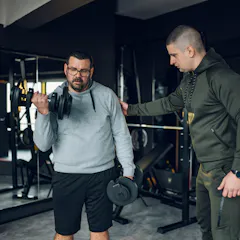
Every year after age 30 we progressively lose muscle mass. But that doesn’t mean there’s nothing you can do about it.
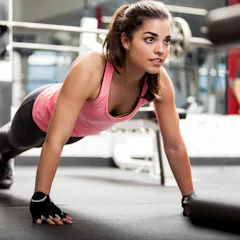
Evidence suggests strength training can offer a variety of benefits when recovering from a respiratory illness like COVID-19.
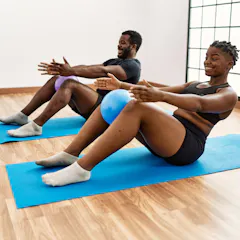
This workout has seen a boost in popularity recently thanks to celebrity endorsements.
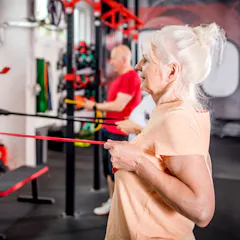
The study found that short amounts of weekly resistance exercise lowered risk of premature death from many different diseases by around 10-20%.
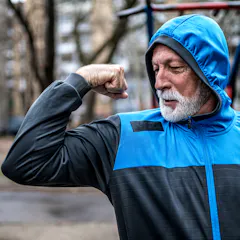
As people age, the chemical signaling pathways in muscles become less potent, and it gets harder to build muscle and maintain strength. But the health benefits of strength training only increase with age.
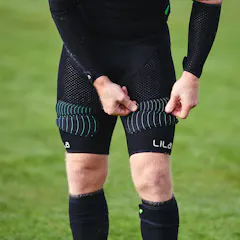
You don’t have to join a weightlifting class to build strength in your muscles. Adding small loads while walking or swimming will have a similar training effect.
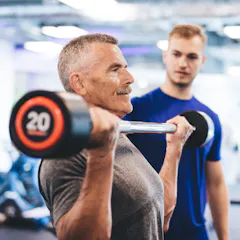
Weightlifting can be done by people of all ages and fitness levels.
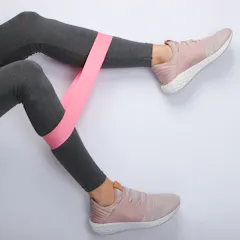
Resistance bands are cheap, portable and easily incorporated into many exercise regimes.
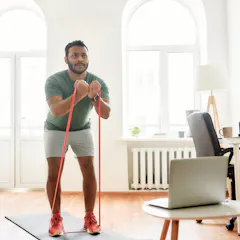
Many think of muscle mass loss as a problem that mostly affects older people, but even people in their early 20s can experience rapid muscle loss under certain conditions.

Many athletes have been seen strapping cuffs around their muscles during workouts – but does it have any affect on their performance?
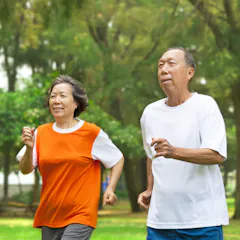
If it’s been a while since your last workout, it’s important to take things slowly.

Overall muscle fitness among children and teens hasn’t declined over the past several decades, but by some measures it’s not improving, either.
Top contributors
-

Senior Lecturer in Performance Analysis of Sport, Nottingham Trent University
-
Senior Lecturer in Clinical Exercise Physiology, University of East London
-
Reader in Exercise and Health Physiology, University of Hertfordshire
-
Associate Dean of Research, Faculty of Health Sciences and Medicine, Bond University
-
Assistant Professor of Exercise Physiology, Mississippi State University
-
Course Lead, Sheffield Hallam University
-
Course coordinator for postgraduate level Certificate in Ergonomics, Rhodes University
-
Reader in Ageing Physiology, University of Westminster
-
University Fellow and Clinical Exercise Physiologist, School of Health & Society, University of Salford
-
Associate Professor (Research) and NHMRC Emerging Leadership Fellow, Deakin University
-
Assistant Professor, exercise science and physiology, Roanoke College
-
Tufts University
-
Associate Professor of Kinesiology, Nutrition and Health, Miami University
-
Lecturer in Dance and Performance Science, Edith Cowan University
-
Associate Professor in Exercise Physiology, Faculté des Sciences du Sport, Laboratoire CIAMS, Université Paris-Saclay