
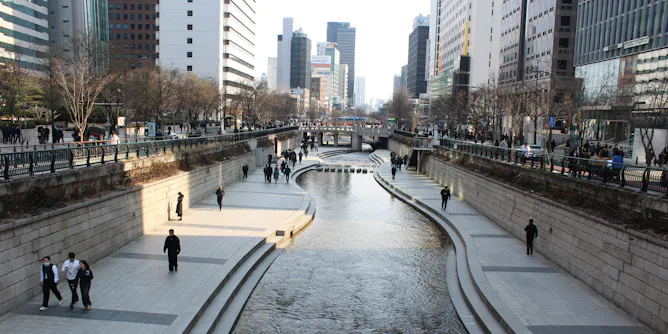
Stream daylighting can help manage stormwater, restore habitats and create greener, more walkable public spaces.
Articles on Streams
Displaying 1 - 20 of 24 articles
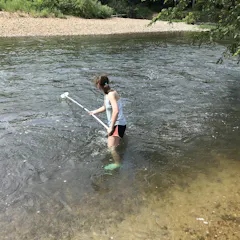
A fish-finding expedition not only detects unexpected species but also uncovers a living link to Missouri’s geological past.

Researchers found that some bodies of water have become highly acidic within only a few years.

They’re called rock glaciers, and they might not look like much, but they’ll continue to provide meltwater after the world’s iconic white glaciers are gone.
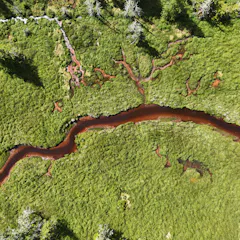
People who are trying to fish – or manage the ecosystems – in darker waters may need to adapt to different water conditions.
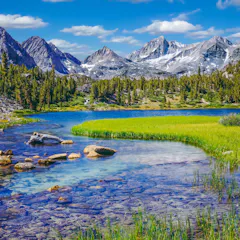
Protecting places that are likely to remain cool and moist as global temperatures rise can save wildlife of all kinds, but first we have to find them.
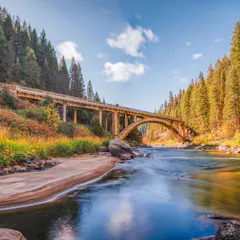
River heat waves are rising faster than the pace of air heat waves. That’s a problem for fish, drinking water quality, and food and energy production.

A new tool aims to help scientists decode what underwater river sounds really mean.
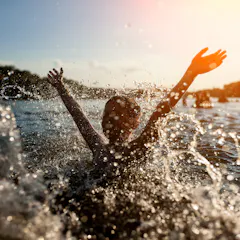
A ‘brain-eating amoeba’ might sound like a science fiction creature. Unfortunately, it’s real – and while infections are rare, they are usually fatal.
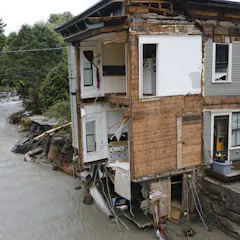
If federal streamgages were bolstered by networks of cheaper monitors run by communities, the results could save lives.
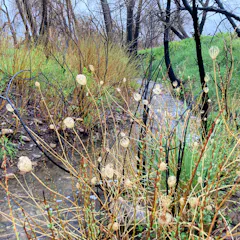
After wildfires in California and Colorado cities, levels of harmful metals in the water jumped. Nature sent up a red flag.
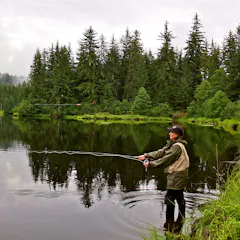
Founded in 1959, the membership group Trout Unlimited has changed the culture of fly-fishing and mobilized members to support conservation. Could its approach work for other social problems?
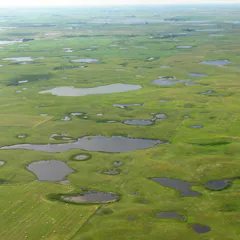
In Sackett v. EPA, a suit filed by two homeowners who filled in wetlands on their property, the Supreme Court has drastically narrowed the definition of which wetlands qualify for federal protection.

The Supreme Court opens its 2022-2023 session with a high-profile case that has major implications for both wildlife and landowners.
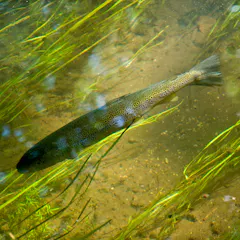
A staggering 85% of the world’s chalk streams are found in England.
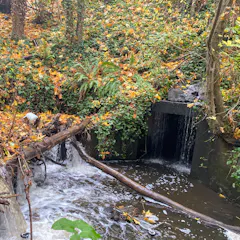
Salmon migrate thousands of miles from inland streams to the ocean and back. The newly enacted infrastructure bill includes funding to help salmon and other wild species on their way.
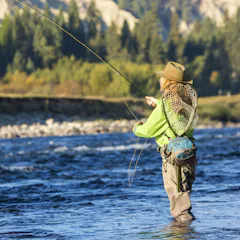
Groundwater was once thought to buffer streams from warming, but an inexpensive new technique shows streams fed by shallow groundwater may be just as susceptible as those without.
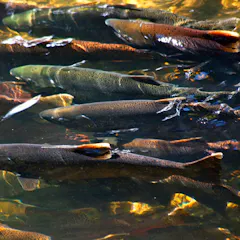
A recent US study found tyre chemicals were polluting rivers and poisoning migratory salmon.
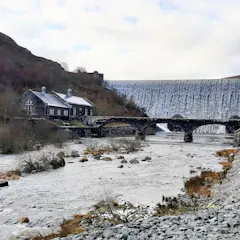
New research published in the journal Nature reveals that more than 1.2 million flow barriers exist on European rivers and that approximately 10% are obsolete.
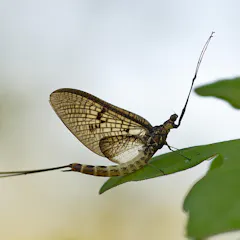
Mayflies and stone flies are extremely vulnerable to water pollution, which has implications for the larger food chain.
Top contributors
-

Professor of Law, University of California, Davis
-
Research Fellow, School of Chemistry, Monash University
-
PhD Candidate in Environmental Biosciences, University of Southampton
-
Professor of Entomology and Curator of the C. P. Gillette Museum of Arthropod Diversity, Colorado State University
-
Associate Professor of Management, Grand Valley State University
-
Professor in River Ecology, Nottingham Trent University
-
Associate Professor, Monash University
-
UNESCO Chair River Culture/Fleuves et Patrimoine, Université de Tours
-
Senior Lecturer in Ecology, Nottingham Trent University
-
Adjunct Professor, Department of Renewable Resources, University of Alberta
-
Adjunct Full Professor of Environmental Conservation, UMass Amherst; U.S. Geological Survey
-
Professor of Geosciences, Colorado State University
-
Associate professor in management, The University of Melbourne
-
Ph.D. Candidate in Environmental Science & Policy, University of Washington
-
Honorary Fellow in Environmental Sciences, Swansea University