
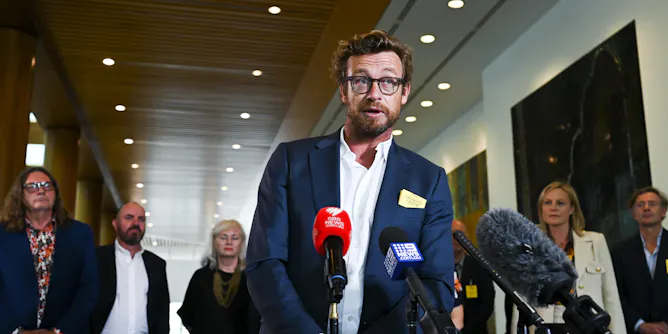
Pursuing local content requirements on streaming services is a high risk, low reward campaign. The reality is global streamers can’t save Australian television.
Articles on Streaming services
Displaying 21 - 40 of 40 articles
With commercial broadcasters threatening to thumb their noses at local content quotas, it’s time government finds new tools appropriate for the 21st century television environment.
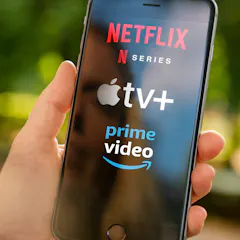
Movie studios are launching their own streaming apps but record labels aren’t about to do the same.
Netflix may be inching closer to becoming a “local” media company, with an increased presence in our small but profitable national market. Will this lead to more locally-made content?

Amid endless reviews into the future of local screen content, uncertainty reigns on issues such as the impact of Netflix, the fate of local content quotas and funding for original children’s TV.
In ten years, Netflix has built up a streaming business with a staggering 125m subscribers. Here’s what it needs to do next.

Hollywood has long had a problem with diversity. But thanks to services like Netflix women have found a place for their stories, compelling Tinseltown to change.

Disney recently announced a forthcoming streaming service, leading some to wonder if the company is gearing up for a battle with Netflix. But not all streaming services are locked in a death match.

In sports media – as in sports – no one is invincible.
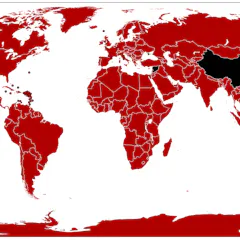
Netflix has seamlessly adapted to new technologies and disrupted existing business models. But unlike traditional media enterprises, Netflix has never tried to attract a mass audience.

The new motoring series will be used to help launch another video on demand service in Australia. But will consumers find away to access the show and avoid paying another fee?

Streaming television may actually facilitate important forms of human interaction, like participating in politics.

Live events like sports seemed immune to streaming services’ assault on traditional broadcast TV. Now that might change.

Television is a 20th century medium that must change to survive in the 21st century.

The rise on live streaming of television programs is breaking down the protected geographical barriers on what you can watch, and the regional broadcasters are not happy.
A post-network era looms. What does this mean for the way we watch – and pay for – television shows?

Telcos are positioning themselves to be at the top rather than the bottom of the content food chain.
Online streaming offers benefits for consumers and the companies providing the service, but thus far it hasn’t been paid off for artists.
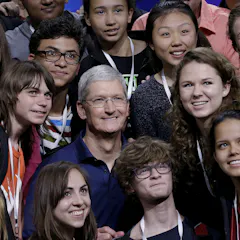
Apple’s move into the streaming market has a headstart of up to 100 million subscribers but will still need sustained support to get more of us to pay for online music.
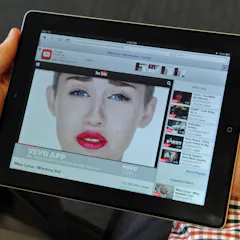
The sheer market power concentrated in the hands of such few online companies represents a formidable hurdle to fair competition.
Top contributors
-

Professor of Media Studies, Queensland University of Technology
-
Professor in Digital Media and Cutural Studies, Queensland University of Technology
-
Associate Professor of Screen Media, Victoria University
-
Associate Professor, Film Screen & Animation, Queensland University of Technology
-
Lecturer, Digital Communication, RMIT University
-
Senior Lecturer in Media, Adelaide University
-
Senior Lecturer in Screen Studies, Adelaide University
-
Lecturer in English, University of Canterbury
-
Professor & Dean, School of Media and Communication, RMIT University
-
Professor of Strategic Management, Lancaster University
-
Professor of Social Studies of Finance and Management Accounting, University of Leicester
-
Professor, Queensland University of Technology
-
Professor of Media and Communications, Goldsmiths, University of London
-
Lecturer in Media and Journalism, Glasgow Caledonian University
-
Assistant Professor of Organisational Behaviour, INSEAD