
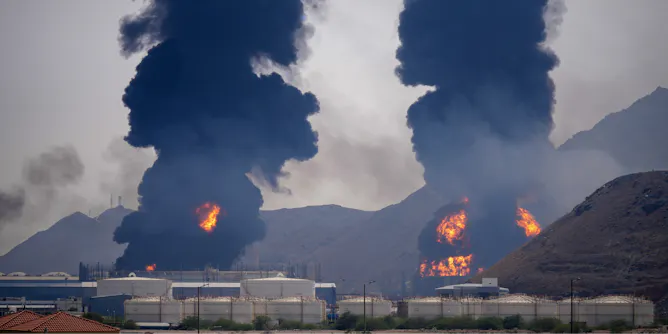
The Trump administration’s miscalculation of Iran is the latest entry in an old and lethal tradition in international politics: the catastrophic gap between what leaders believe and what war delivers.
Articles on Strait of Hormuz
Displaying 121 - 140 of 169 articles
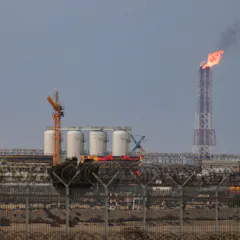
Iran has responded in kind to attacks on its energy infrastructure. With the energy assets of Gulf states now in play for Tehran, regional chaos grows by the hour.
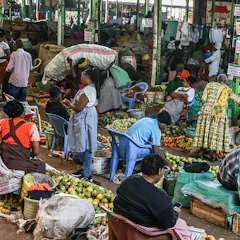
The universal fear is the effect the rise in prices is having on fuel, a staple commodity in every one of the countries for ordinary people as well as industries.
For more than a century, Iran has occupied a powerful place in the western imagination, characterized as a volatile region that sits atop vast oil reserves.
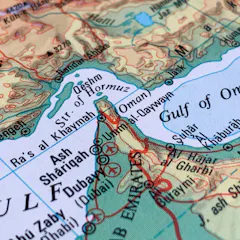
The UK military is considering sending interceptor drones and mine hunters to the Middle East.

In the law of naval warfare, the line between belligerents and neutrals is not always an easy one to draw.
Rising tensions between the United States, Israel and Iran have sent oil prices surging. While households and governments face higher costs, parts of the fossil fuel industry stand to gain billions.
New Zealand generates more than 85% of its electricity from renewable sources, but transport remains almost entirely chained to imported oil.

Energy price spikes will force up the cost of grain imports.
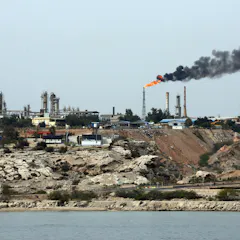
Often called the ‘forbidden island’, Kharg is vital to Iran’s economic survival.
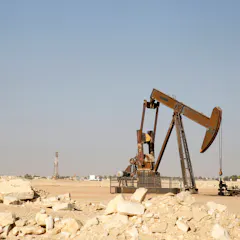
Is it time to panic about supplies?
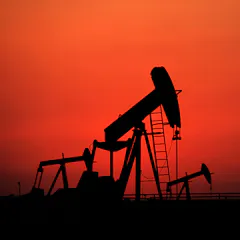
Petrochemicals derived from oil and fossil fuels underlie the production of many consumer goods − and many you wouldn’t know from looking at the final product.
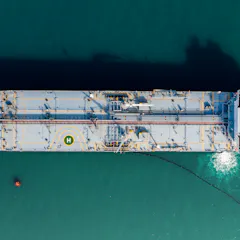
Despite Iranian threats to destroy any ships that pass through a key maritime route, some ships are still doing so.

Oil shocks create winners and losers, but the Canadian dollar no longer softens the blow the way it once did.
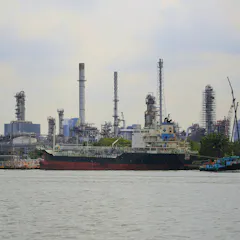
Many of the measures rolled out during the 2022 Ukraine crisis aren’t viable for Europe today.
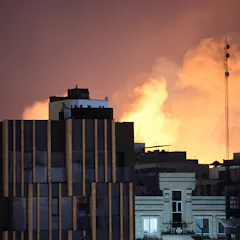
A small but powerful group of people do very well out of war.
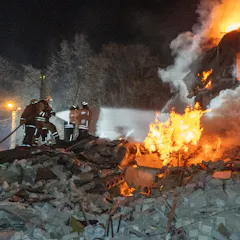
The U.S.-Israeli war in Iran is helping advance Russian interests as it prepares for a spring offensive against Ukraine.
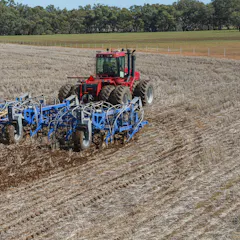
Australia gets half its urea – a crucial nitrogen fertiliser – from countries now impacted by the war. But research suggests higher food prices aren’t a given.
Without this form of fertiliser, crops will not produce yields on which the world’s population depends, leaving people starving.
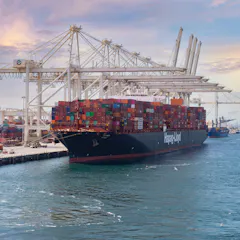
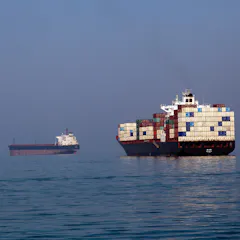
Gulf states depend on food imported via the strait – and shipping surcharges could raise the cost of consumer goods around the world.
Top contributors
-

Professor in International Politics, City St George's, University of London
-
Honorary Research Fellow, Department of International Politics, City St George's, University of London
-
Lecturer in Energy Systems, University of Oxford
-
Adjunct Professor, Defence and Security Institute, The University of Western Australia; UNSW
-
Professorial Fellow, University of Canberra
-
Associate Professor in International Politics, UCL
-
Fellow for the Middle East at the Baker Institute, Rice University
-
Executive Co-Director, Institute for Water, Environment and Health (UNU-INWEH), United Nations University; Technical University of Hamburg
-
Associate Professor in International Relations, UNSW
-
Assistant Professor of International Relations, American University
-
Professor in Global Thought and Comparative Philosophies, Inaugural Co-Director of Centre for AI Futures, SOAS, University of London
-
Assistant Professor in Circular Supply Chains, University of Bradford
-
Lecturer in Sustainable Freight Transport and Logistics, University of Leeds
-
Associate Professor in Operations and Supply Chain Management, UTS Business School, University of Technology Sydney
-
Lecturer, Department of War Studies, King's College London