
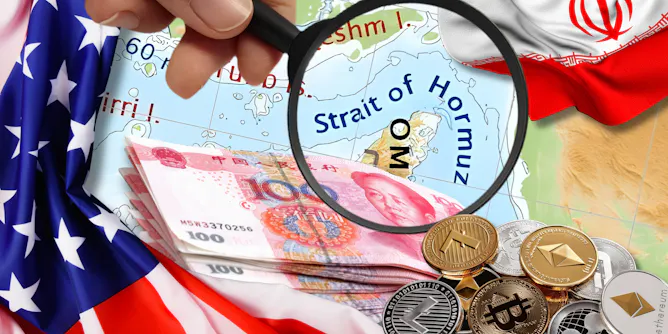
But implementing a bitcoin-based toll system will be difficult without US approval.
Articles on Strait of Hormuz
Displaying 81 - 100 of 169 articles
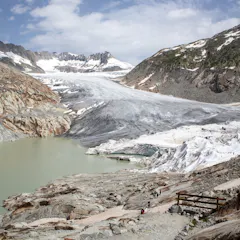
Changes in shipping routes can end up altering the physical state of distant mountains, as well as creating other fallouts.
The potential for dangerous escalation has increased with the US decision to pursue any ships anywhere in the world they think may be helping Iran evade sanctions.
Gallipoli was a hastily launched military campaign over a maritime choke point – and has parallels with the Strait of Hormuz.
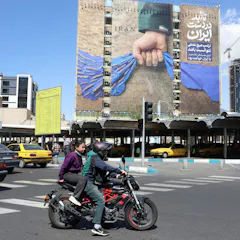
Iran’s leaders are demanding sovereignty over the strait for a reason: it protects them from future attacks and can be a very effective bargaining chip.
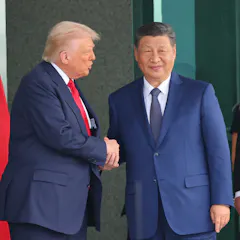
An episode where a China-linked vessel appeared to challenge the blockade shows how explosive this situation could be.
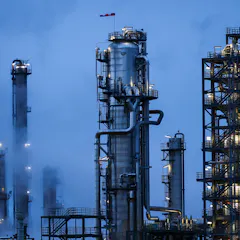
Even if the Iran war ends, the fallout from this oil shock is likely to persist for a long time. Here’s what the end of ‘cheap’ oil could mean for the world.

Tehran and Washington look to different rules to govern their conduct in the key choke point.
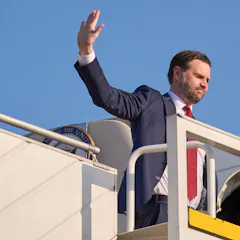
A lack of trust, failure to agree to the grounds on which discussion is taking place and Israel’s de facto veto provide insurmountable barriers.
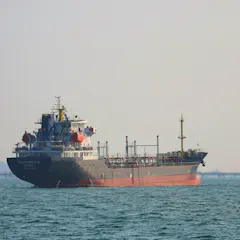
The blockade is costly, hard to enforce and raises the chance of the situation escalating.
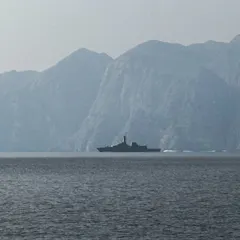
The pivotal waterway is much more than a global economic choke point. It is a politically and culturally dynamic region with its own dangerous undercurrents.

Rising oil and fertilizer costs linked to Middle East tensions could affect food prices, but the effects will vary across products and may take time to fully emerge.
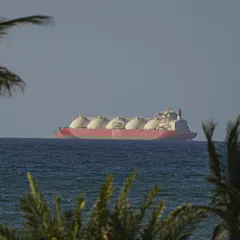
China stands to be impacted first, as the main buyer of Iran’s crude oil. But if the blockade drags on, its knock-on effects could impact the whole world.
With peace talks breaking down, the US president has said the US will blockade the Strait of Hormuz, which will have a further dire impact on international fuel supply.
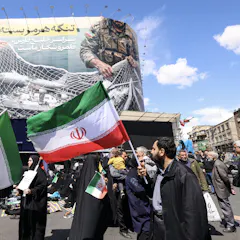
Both countries seem tired of the costs of war and ongoing risks, but successful negotiations will have to overcome deep distrust by both sides.

Price caps can cause supply problems – but there are other options.
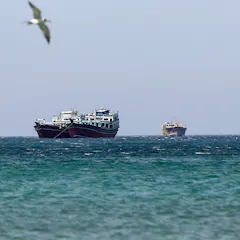
The ceasefire between the US, Israel and Iran has done little so far to getting shipping through the vital waterway. It’s going to take more than just words to fix.

A decade of shifting regional alliances, continuous conflict and outside interventions have narrowed the path for diplomacy.
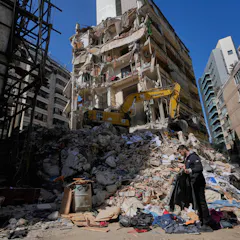
As Israel continues to pound Lebanon, the chances of a Middle East ceasefire lasting 14 days seem remote.

The current energy market disruption has exposed structural vulnerabilities in Asia’s energy systems.
Top contributors
-

Professor in International Politics, City St George's, University of London
-
Honorary Research Fellow, Department of International Politics, City St George's, University of London
-
Lecturer in Energy Systems, University of Oxford
-
Adjunct Professor, Defence and Security Institute, The University of Western Australia; UNSW
-
Professorial Fellow, University of Canberra
-
Associate Professor in International Politics, UCL
-
Fellow for the Middle East at the Baker Institute, Rice University
-
Executive Co-Director, Institute for Water, Environment and Health (UNU-INWEH), United Nations University; Technical University of Hamburg
-
Associate Professor in International Relations, UNSW
-
Assistant Professor of International Relations, American University
-
Professor in Global Thought and Comparative Philosophies, Inaugural Co-Director of Centre for AI Futures, SOAS, University of London
-
Assistant Professor in Circular Supply Chains, University of Bradford
-
Lecturer in Sustainable Freight Transport and Logistics, University of Leeds
-
Associate Professor in Operations and Supply Chain Management, UTS Business School, University of Technology Sydney
-
Lecturer, Department of War Studies, King's College London