
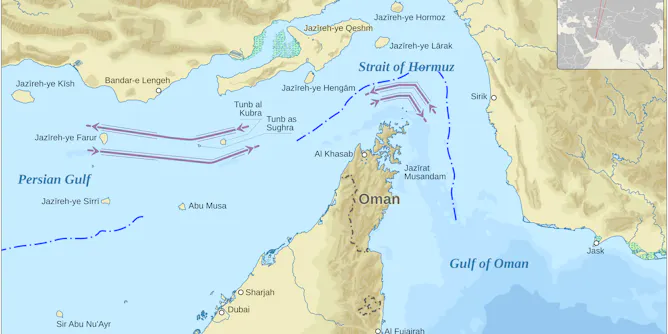
As the Strait of Hormuz reopens, a new study reveals what the agri-food industry’s priorities should be to overcome such an unprecedented logistical challenge.
Articles on Strait of Hormuz
Displaying 41 - 60 of 169 articles
From airliners to supertankers, GPS has long been invaluable for safe navigation, but its signals can easily be jammed and almost as easily faked. Researchers are racing to develop backups.
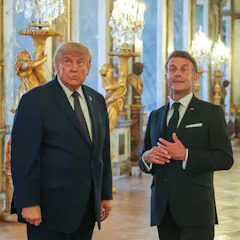
Critics are calling the agreement a “complete capitulation” by the US.
A peace deal has reopened the Strait of Hormuz, but insurance premiums, mine clearance and a container shortage across two continents suggest the disruption is far from over.
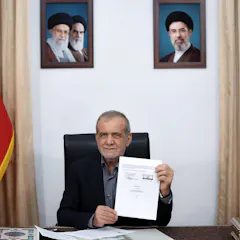
The deal between US and Iran is the sign of a fast-changing world order.
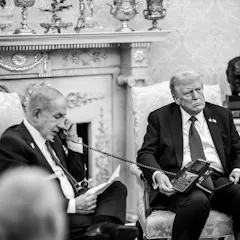
The search for peace in the Middle East is putting a strain on relations between the two leaders.
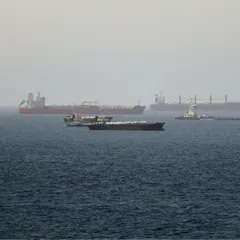
Trump urged ships to return to the Strait of Hormuz and “let the oil flow”. But it’s not that straightforward.
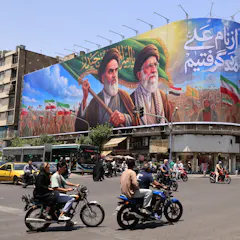
Iran has emerged with its uranium enrichment knowledge intact, its stockpile buried and fresh reason to believe that only a nuclear weapon would have deterred the US-Israel attack.
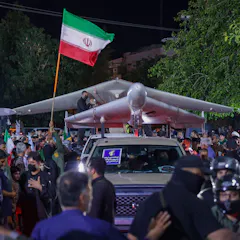
Tehran has exploited its asymmetric warfare capabilities to strengthen its position.

Geopolitical and economic uncertainty topped the G7 summit agenda. The world needs strong, inclusive international institutions more than ever.
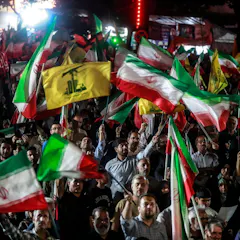
This agreement simply restores the pre-war status quo without resolving any of the underlying issues.

Africa needs to navigate the tension between interdependence, economic security, and economic diversification.

Unable to defeat Iran, Israel shifts its focus to Lebanon, fearing U.S. negotiations with Tehran could limit operations against Hezbollah.
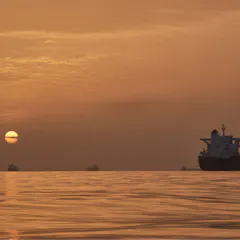
The Strait of Hormuz is closed for the first time in the life of the Islamic Republic. Restoring the brake requires a credible diplomatic offer from the West.
Iran’s contribution to the global economy is not centred merely on oil, as the war has shown.
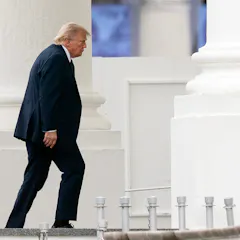
Donald Trump isn’t the first American president to fall prey to the allure of U.S. military might and to ignore its limitations.
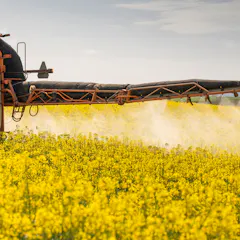
A labour and political ecology expert looks back at imperialistic logic and how chemical fertilisers have repeatedly served as strategic objectives and weapons, particularly in wartime.

The world is too dependent on the Gulf states for energy and fertiliser.

Amid the ongoing energy crisis, climate economics experts assess how much export credit agencies are actually driving the shift to lower-carbon as they focus financing on green energy.
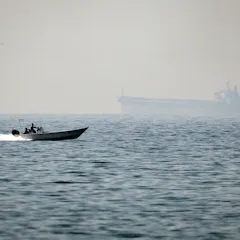
Iranian tariffs in the Strait of Hormuz may change how oil is traded and priced, with implications for currencies, alliances and global economic power.
Top contributors
-

Professor in International Politics, City St George's, University of London
-
Honorary Research Fellow, Department of International Politics, City St George's, University of London
-
Lecturer in Energy Systems, University of Oxford
-
Adjunct Professor, Defence and Security Institute, The University of Western Australia; UNSW
-
Professorial Fellow, University of Canberra
-
Associate Professor in International Politics, UCL
-
Fellow for the Middle East at the Baker Institute, Rice University
-
Executive Co-Director, Institute for Water, Environment and Health (UNU-INWEH), United Nations University; Technical University of Hamburg
-
Associate Professor in International Relations, UNSW
-
Assistant Professor of International Relations, American University
-
Professor in Global Thought and Comparative Philosophies, Inaugural Co-Director of Centre for AI Futures, SOAS, University of London
-
Assistant Professor in Circular Supply Chains, University of Bradford
-
Lecturer in Sustainable Freight Transport and Logistics, University of Leeds
-
Associate Professor in Operations and Supply Chain Management, UTS Business School, University of Technology Sydney
-
Lecturer, Department of War Studies, King's College London