
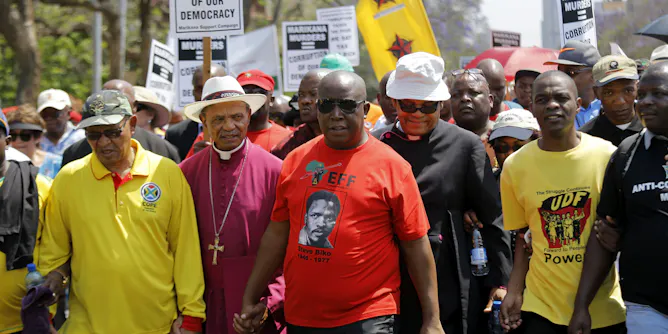
South Africa’s social compact is at breaking point and the country may need a dialogue similar to its 1994 political transition talks to get out of the crisis.
Articles on State capture
Displaying 241 - 260 of 281 articles
South Africa’s Minister of Finance, Pravin Gordhan, downplayed the topic of energy in his budget speech. There is good that can be taken from this.
The decision to give former Eskom CEO, Brian Molefe, a seat in the country’s parliament comes with the potential to cause great economic pain for South Africa.
South African President, Jacob Zuma, wasted lots of time and space in cheap politicking instead of galvanising South Africans to work together for a better future.
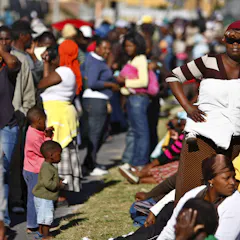
The South African Social Security Agency has created a crisis that threatens to deliver social grant recipients on a silver platter into the hands of unscrupulous financial services companies.
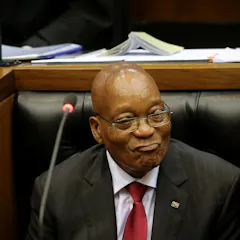
President Zuma’s speech is historically meaningless in that it is not a milestone of any professed historical mission.
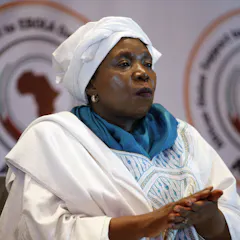
Dlamini-Zuma is an ambiguous, ambitious figure, an operator and bureaucrat with good credentials. But, she offers nothing new and can’t shake off claims that she’s just a shoe-in for her ex-husband.
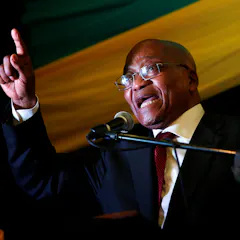
The problem for Jacob Zuma’s political theology is that far too many members of South Africa’s ruling ANC have been experiencing a dramatic loss of faith in a party they see as no longer righteous.
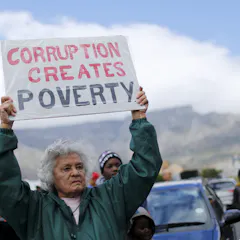
South Africa’s end of term report at the helm of the Open Government Partnership shows that it failed to meet key targets it set for itself. But it also shows improvements in some areas.
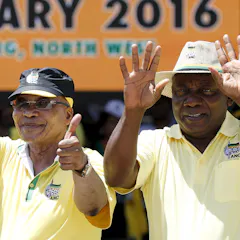
After two decades of political dominance, the electoral performance of the ANC is at its lowest since it became the governing party of South Africa in 1994. But is the party really unraveling?
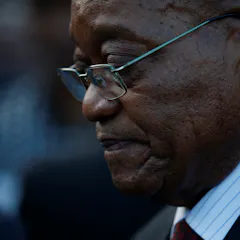
The South African economy stands to benefit if the country’s president steps aside because he has had a destructive economic impact.
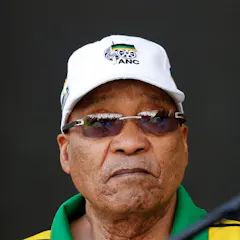
It is common to reduce the politics of the ANC to a battle between personalities. A closer look suggest that this is a fight between two factions, both of them products of trends in the economy.

South Africa is breathing a sigh of relief after escaping a credit rating downgrade. But there are still serious concerns around structure of the country’s economy and finances.
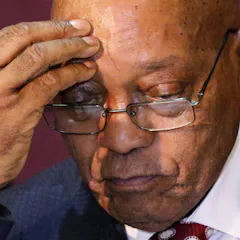
All eyes are on the next move from President Jacob Zuma after he survived a bid from senior ANC colleagues to remove him. The fallout is expected to be focused on the economic cluster of government.
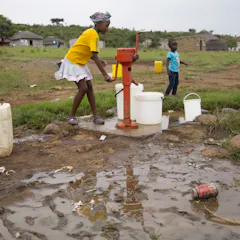
Massive state capture activity is taking place in the South African water sector under the guise of radical economic transformation, threatening financial sustainability and water supply.

South Africa needs take a radically different path if it is going to make its economy more inclusive. It must start from the premise that markets are intrinsically skewed to historic privilege.
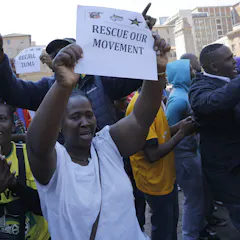
There are early signs of the emergence of a third force for good in South Africa in the likes of the Save SA movement and Socio-Economic Future of South Africa convened by the Archbishop of Cape Town.
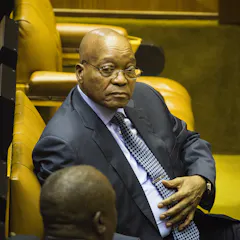
Defects in political governance, especially President Jacob Zuma’s failure to provide leadership, have induced a crisis of confidence in South Africa’s economy.
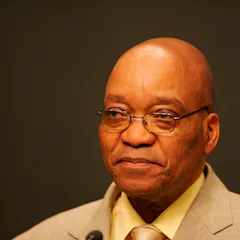
The former public protector’s report has stirred national consciousness. Jacob Zuma is swimming against the tide. Is he sinking, or might he still pull the trick of a proverbial cat with nine lives?
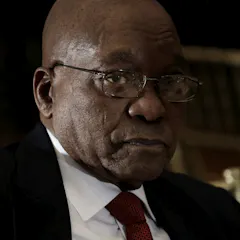
Even after seven years of incompetence and dodgy dealing, Jacob Zuma’s presidency has yet to reach its nadir.
Top contributors
-

Professor of Political Studies, University of Johannesburg
-
Professor of Sociology, University of the Witwatersrand
-
Emeritus Associate Professor in Public Law, UCT. Visiting Adjunct Professor, WITS School of Governance; Director, Africa Programme, University of Cambridge Institute for Sustainability Leadership, University of Cambridge
-
Professor of Public Affairs, Tshwane University of Technology
-
Political Scientist, University of the Western Cape
-
Professor in Political Science, University of South Africa
-
Professor of Urban Governance, University of the Witwatersrand
-
Visiting Professor and Professor Emeritus, University of the Witwatersrand
-
Professor of Physics, University of Johannesburg
-
Senior Research Associate, University of Johannesburg
-
Visiting Professor at the Business School, University of the Witwatersrand
-
Associate Professor in Public Law, University of Cape Town
-
Professor and Chair, Department of Journalism, Stellenbosch University
-
Associate professor, University of Cape Town
-
Professor Emeritus of Public Law, University of Cape Town