
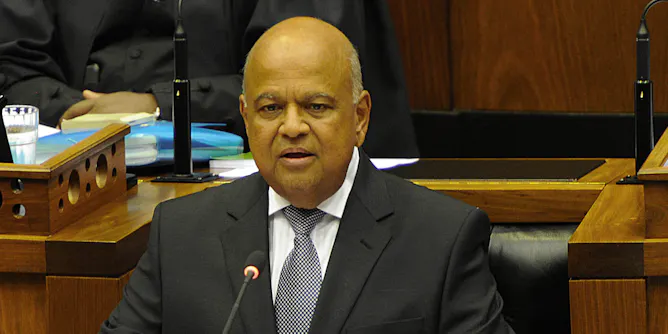
Pravin Gordhan was throughout his life driven by a deep commitment to non-racialism.
Articles on Pravin Gordhan
Displaying 1 - 20 of 102 articles
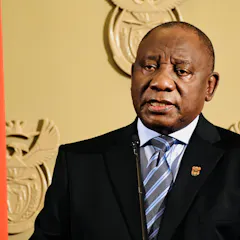
Cabinet reshuffles are always much less important events than the hype which surrounds them would suggest.
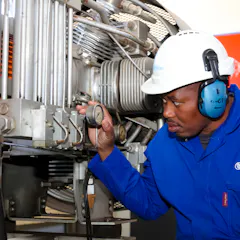
The deluge of opinions and proposed solutions to South Africa’s energy crisis reflects corporate and political interests.

It’s not clear whether South Africa’s president can coordinate his ministers in a way that provides clarity about dealing with the country’s energy crisis.
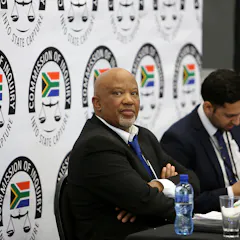
This book is a booster to morale. It tells South Africans they can enjoy the impressive economic growth they once achieved.
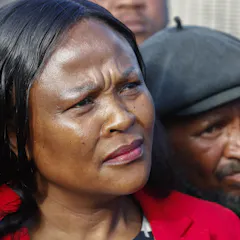
The Public Protector’s Office has become embroiled in political scandals under the current incumbent, Advocate Busisiwe Mkhwebane.
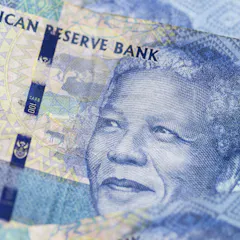
The debate about the mandate of the South African Reserve Bank must be located within a clearly articulated political vision and social compact on the kind of society South Africans aspire to.
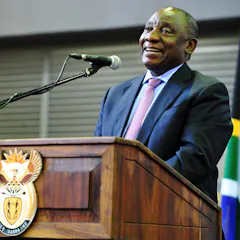
President Cyril Ramaphosa has to ensure that reform of critical institutions is placed first. Everything else will be compromised if this fails.
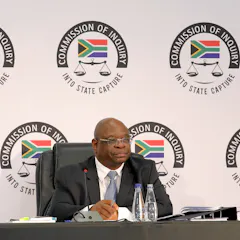
Corruption in South Africa became increasingly organised under former President Jacob Zuma.
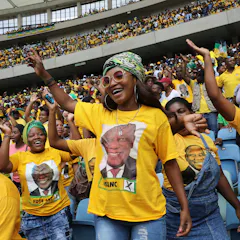
A great deal of analysis on South Africa and the ruling ANC seems to be based on wishful thinking, not concrete reality.
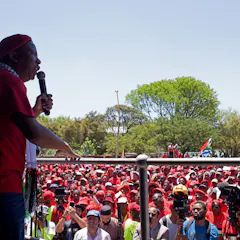
The Economic Freedom Fighters’ strategy of painting President Ramaphosa and his allies as corrupt is unlikely to succeed.
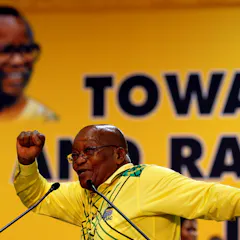
Former South African President Jacob Zuma’s bad behaviour damaged his image and the ANC’s.
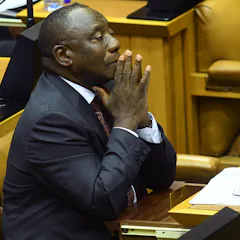
Meeting the challenges from the opposition will strengthen the ANC’s dominance. How well its new leadership copes will become clearer over the next few months.
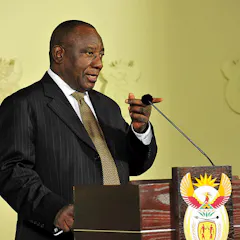
Overall South Africa’s new president has a cabinet that forms a team with whom he can work.
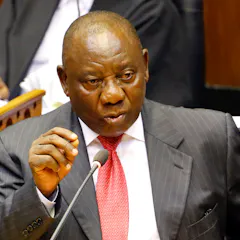
Jacob Zuma was removed by the people’s effect, which connected the dots of corruption, a mismanaged state and rapacious capitalism.
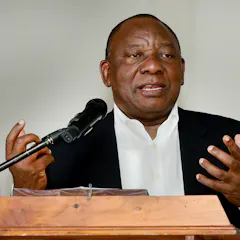
President Jacob Zuma shouldn’t be allowed to detract from the momentum that Cyril Ramaphosa, the new president of the ruling ANC, has started to build.
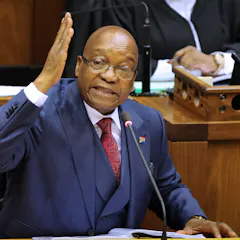
The imposition of the fee free higher education proposal on South Africa’s National Treasury without due consideration represents an escalation of the state capture led by President Jacob Zuma.
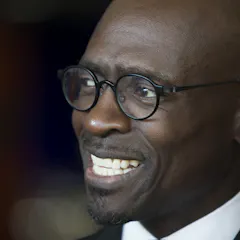
South Africa’s finance minister was honest about the problems facing the country. But he made no real suggestions that the government will start doing things differently.
KPMG South Africa sets a potential example of how shareholders can attack the soft underbelly of private sector state capture enablers.

South African business can beat back the toxic ‘white monopoly capital’ title by doing things differently and not by shouting from roof tops.
Top contributors
-

Professor of Political Studies, University of Johannesburg
-
Political Scientist, University of the Western Cape
-
Visiting Professor at the Business School, University of the Witwatersrand
-
Senior Research Associate, University of Johannesburg
-
Professor of Sociology, University of the Witwatersrand
-
Emeritus Associate Professor in Public Law, UCT. Visiting Adjunct Professor, WITS School of Governance; Director, Africa Programme, University of Cambridge Institute for Sustainability Leadership, University of Cambridge
-
Professor of Political Economy, University of the Witwatersrand
-
Head: Wits School of Governance, University of the Witwatersrand
-
Lecturer in Economics, University of the Witwatersrand
-
Associate Professor, UCT School of Economics; South African Reserve Bank Research Chair in Financial Stability Studies, University of Cape Town
-
Associate Professor in Public Law, University of Cape Town
-
Associate professor, University of Cape Town
-
Senior Research Specialist, Innovations for Successful Societies, Princeton University
-
Lecturer, Nelson Mandela University
-
Professor of World Politics, SOAS, University of London