

If Spider-Man were real, he could help scientists revolutionize healthcare. Since he’s not, researchers develop creative ways to produce spider silk to study.
Articles on Spider silk
Displaying all articles
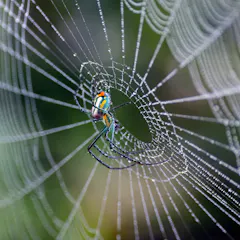
7 distinct types of silk allow different spider species to build webs with various jobs – including to catch prey, tether themselves and protect their eggs.

We’ve found an unusual way of stabilising the cancer-suppressing protein p53.
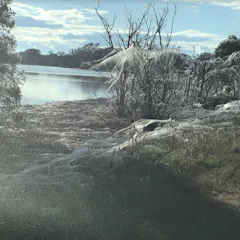
What’s going on here? Why do spiders do this after floods and does it happen everywhere?
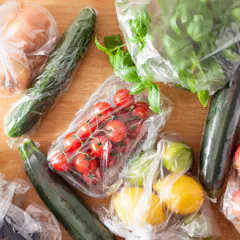
The film is similar to other plastics, but it can be composted at home.
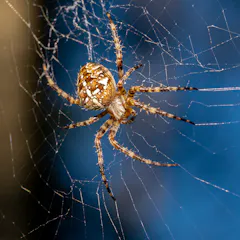
Unsettlingly, it appears that spiders’ legs really do have minds of their own.
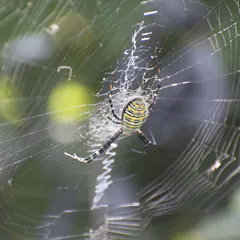
The glue that gives spider webs their stickiness is a form of spider silk protein. Researchers can imagine cool uses for a synthetic version – but had to wait for the tricky glue gene to be sequenced.
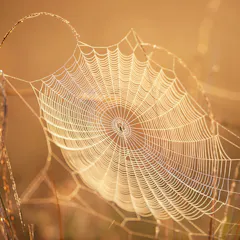
Spiders use different types of silk for different purposes – and not all of them are as strong as steel.
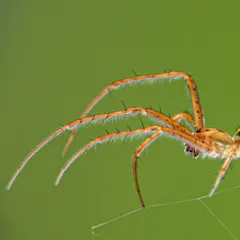
Believe it or not, I have studied the hairy legs of spiders for years and can give you some definitive answers on this.
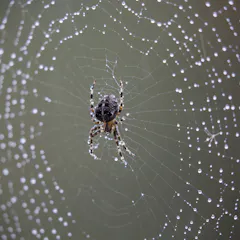
Autumn is spider season. It’s worth getting to know more about our eight-legged friends.
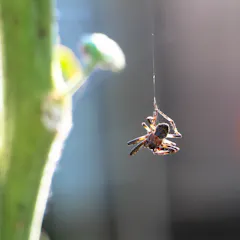
If we could mimic spider silk, it could revolutionise the fibres we use on a daily basis.
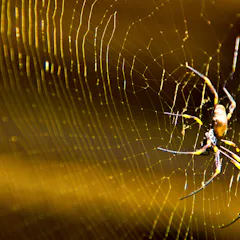
Spider silk is strong stuff and could be used to manufacture ultra tough ropes and cables, and better sutures in medicine. If only we could find a way to make the stuff.
Spider silk coated in nano-tubing could become a new material used in everyday electronics. Known as the the toughest material…
Top contributors
-

Senior Lecturer in Evolutionary Biology, UNSW
-
Postdoctoral Researcher in Biological Sciences, University of Maryland, Baltimore County
-
Marie Curie Research Fellow, Queen Mary University of London
-
Lecturer in Fine Art, Loughborough University
-
Professor of Experimental Physics, Queen Mary University of London
-
Vice Chancellor's Research Fellow in Ecology and Entomology, Edith Cowan University
-
Emeritus Professor, Department of Zoology, University of Oxford
-
Research Fellow in the Department of Biological Sciences, Macquarie University
-
Professor of Mechanical Engineering, University of Portsmouth
-
Professor of Science Communication and Chemistry, University of Hull
-
Researcher, Department of Microbiology, Tumor and Cell Biology, Karolinska Institutet
-
Ph.D. Student in Biological Sciences, University of North Carolina – Charlotte
-
Professor of Pharmaceutical Sciences, University of Iowa