
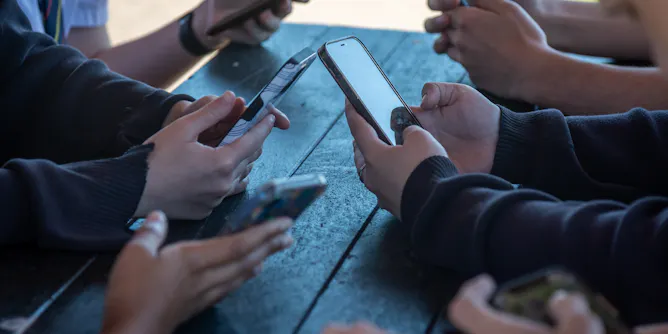
There have long been calls for digital duty of care laws in Australia – since well before the under-16s social media ban. But enforcement may be tricky.
Articles on Social media platforms
Displaying 1 - 20 of 48 articles

Increasingly, digital advertising is designed to dissolve into the flow of the content you consume online.
Without dedicated AI regulation, Australia will leave the most vulnerable at risk of harm.
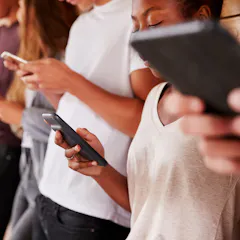
Social media isn’t just a distraction for teens – it’s part of their world.
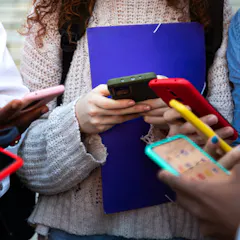
Policymakers are focusing on restricting teens’ access to social media, but this approach risks cutting them off from its benefits. Making the platforms safer offers an alternative path.
Experts know simply banning kids from social media isn’t going to protect them from harm – but there’s lots of evidence on what we can do instead.
Users must learn to understand and navigate digital environments critically.
Regulating how kids access the internet – including social media – must balance protection from harm with children’s rights to expression and information.
Most social media PR blurb is designed to convince the public these tech companies are a benign force for good. What the public really needs is a public service internet.

Platforms like Facebook, Instagram and TikTok vie for our attention and boast billions of users. Ultimately, what matters is connection.

The Supreme Court will hear five cases this term that will examine the nature of online discussion spaces run by social media platforms.
Whatever approach you take to managing your feeds, remain cautious and sceptical.
In the battle for Twitter’s followers, this may be the end game.

For some teens on social media, TikTok and Twitter aren’t all about selfies or the latest craze in online “challenges.” Some teens are using social media to advocate for social justice.
Elon Musk’s chaotic takeover of Twitter reveals what we like and need from social media.

Thousands of Twitter users are jumping ship – and Mastodon might become their new home. But it’s not a clone of the ‘blue bird site’.
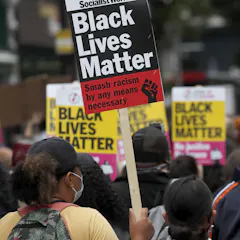
Digital activists are targeted for their work on intersectional issues. But they have developed strategies to deal with online and offline hate.
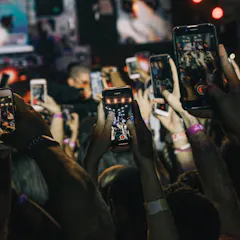
Elon Musk’s purchase of Twitter is seen as a threat to the digital public square. International regulation is required to protect internet users’ access to democratic public spaces.
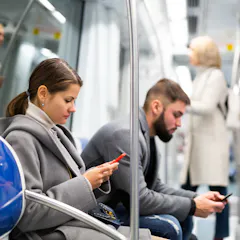
People used social media to connect with others, but after the pandemic, social media is increasingly fractured. Users adopt closed media spaces where they feel safe to express personal values.

The government’s plan to make social media companies hand over trolls’ details aims to make it easier for victims to sue their harassers for defamation. But this conflates two very different concepts.
Top contributors
-

Research Fellow, ARC Centre of Excellence for Automated Decision-Making and Society, Swinburne University of Technology
-
Professor of Information Sciences & Director, Social Change Enabling Impact Platform, RMIT University
-
Professor of Internet Studies, Curtin University
-
Professor of Media Industries, University of Nottingham
-
Professor of Digital Culture, Business and Computing, Durham University
-
Honorary Fellow in Sociology, Australian National University
-
Assistant professor, Teaching Stream, University of Toronto
-
Director, Centre of Human Anatomy Education, Monash University
-
Adjunct Lecturer, Flinders University
-
Senior Research Fellow – Responsible AI Lead, AI and Cyber Futures Institute, Charles Sturt University
-
Associate Professor of Social Work and Chair, Indigenous Research Ethics Advisory Panel, Australian Catholic University
-
Researcher, Digital Wellbeing, Western Sydney University
-
Researcher, Director of Media-Health/Game-Clinic laboratory, Concordia University
-
Senior Lecturer in the School of Sociology, Australian National University
-
Senior Lecturer in Media and Communications, Swinburne University of Technology