
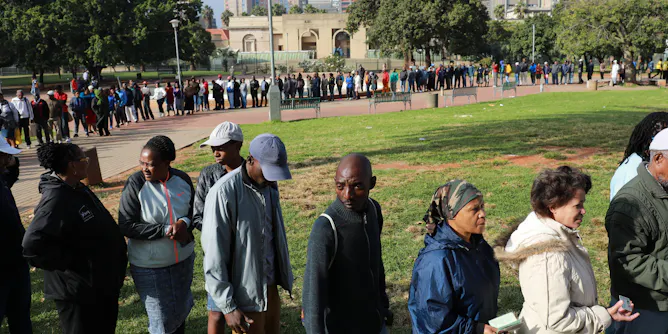
Referenda may well have a place in the country’s democracy, but if the form of an electoral system can be referred to a referendum, why not capital punishment, abortion or LGBT rights?
Articles on Social justice
Displaying 141 - 160 of 485 articles
It is important to embrace all the nation’s languages in a multilingual and multicultural society. This will ensure they are used, developed and mainstreamed.
The country has had five governments in 10 years. Every time a government collapses, the reform programme follows suit.

The median amount of cash bail is $10,000 – an immense sum for people living in poverty. Bail funds, unlike bail bondsmen, don’t charge high fees.
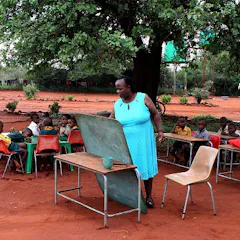
South Africa has no comprehensive national media literacy programme. Often it comes down to individual teachers and schools to make learners more media literate.
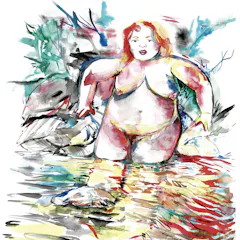
Two radically inventive new works of Australian graphic nonfiction dig deep into 21st-century life. They balance critique with hopeful possibilities – of collective change and radical acceptance.

The UK is offering an elite visa for well-off graduates from elite institutions to stay temporarily in the UK.

The study highlights the flimsy boundaries between different forms of violence: torture and extrajudicial punishment, lawful arrest, and an unlawful kidnapping.
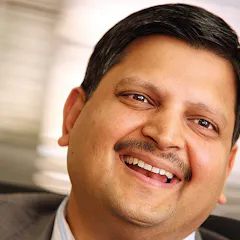
A judicial commission into state corruption found that the Gupta family influenced former President Jacob Zuma’s political decisions.
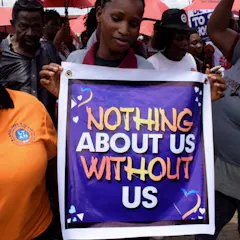
The study reveals a consistently biased and negative depiction of sex workers by news media in Nigeria.
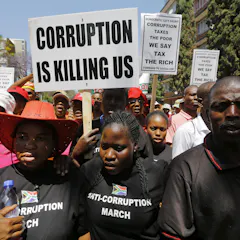
South Africa could benefit from having a dedicated institution to oversee whistleblower protection.
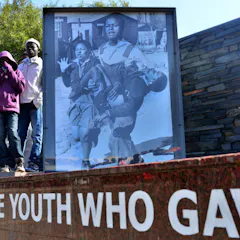
The students who marched on 16 June 1976 did more than simply register a political opinion.
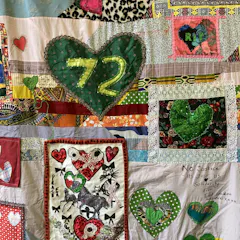
What started out as an instinctive and private response to trauma has become a collective process of grieving and commemoration.
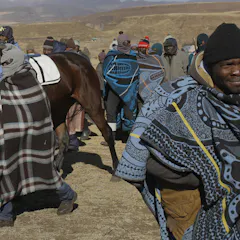
Lesotho has done a good job of curbing the powers of its monarch and making its electoral system inclusive.

The narrative of the Fourth Industrial Revolution is more aspiration than reality.
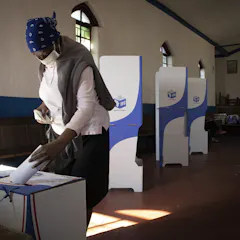
The whole idea behind independent candidates is the hope that their inclusion might improve the accountability of parliamentarians to the voters. The bill doesn’t do that.
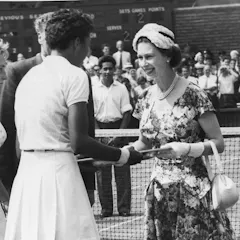
The Platinum Jubilee serves as an opportunity to reflect on the complex interactions and historical evolution of the British monarchy and the transformations in sport, politics and society.
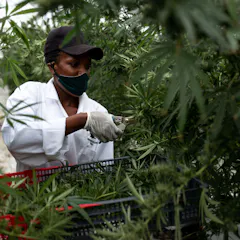
Ensuring the participation of ordinary citizens and producers in the industry is the big challenge facing African states.

The majority of planners believe that land is captured with impunity by powerful interest groups in Zambia and South Africa.

Avoiding trite moralisations, Professor Southall uses empirical research to shed light on white South Africans’ adjustment to democracy.
Top contributors
-

Extraordinary Professor, Department of Political Sciences, University of Pretoria
-
Emeritus Associate Professor in Public Law, UCT. Visiting Adjunct Professor, WITS School of Governance; Director, Africa Programme, University of Cambridge Institute for Sustainability Leadership, University of Cambridge
-
Professor of Political Studies, University of Johannesburg
-
Professor of International Human Rights Law, Centre for Human Rights, and acting SARChI Chair in International Constitutional Law, University of Pretoria
-
Associate Professor in Public Law, University of Cape Town
-
Professor and Research Theme Leader of the Flourishing Life Research Theme, University of the Free State
-
Chief Research Specialist., Human Sciences Research Council
-
Professor of Sociology, University of the Witwatersrand
-
Head of Department, Public and Environmental Law Department, University of Limpopo
-
Professor of Political Science and Chair of the South African Research Initiative in Gender Politics, Stellenbosch University
-
Research Director: Developmental, Capable and Ethical State (DCES) research division, and Coordinator of the South African Social Attitudes Survey (SASAS), Human Sciences Research Council
-
Professor of Social Development Studies, University of Johannesburg
-
Professor of African legal pluralism, University of the Western Cape
-
Professor/Senior Research Fellow, Centre for Advancement of Scholarship, University of Pretoria
-
Professor of Urban Governance, University of the Witwatersrand