
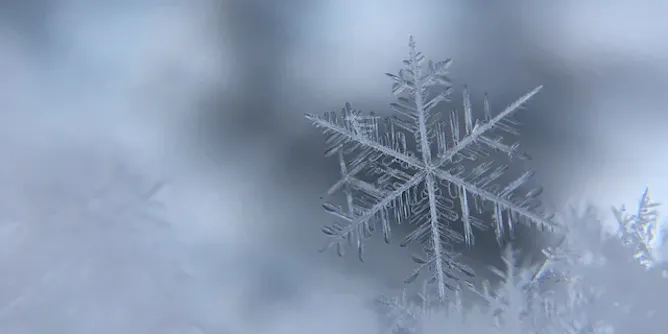
Molecule by molecule, a snowflake grows and eventually begins to fall. A scientific look at the amazing nature of snowflakes and snow.
Articles on Snow
Displaying 41 - 60 of 118 articles

Taking your physical activity outside comes with added benefits. Here are ways to pursue your fitness goals outdoors, even in the middle of a Canadian winter.
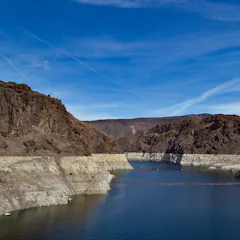
Unprecedented droughts leave the subsurface drier than usual, affecting water supply in subsequent years.
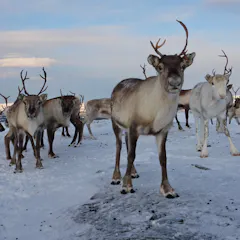
The annual report is also a reminder that what happens in the Arctic affects the rest of the world.
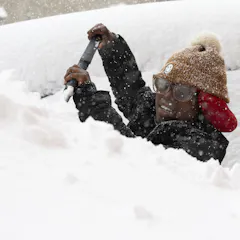
Snowstorms that sweep across the Great Lakes can dump several feet of snow on the other side. A climate scientists explains why.
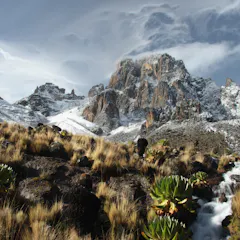
Mountain systems are sensitive to climate change. Loss of snow and ice sets off effects which have wide ranging consequences.
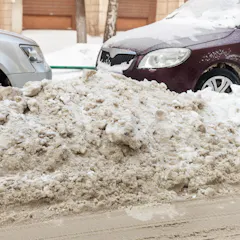
From persistent chemicals to exhaust particulate matter, snow accumulates highly toxic pollutants. Regulations are needed to address the impacts on water supplies and the food chain.
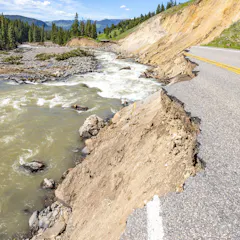
Extreme downpours brought deadly flooding to the Appalachian region, just a few weeks after the destructive Yellowstone River flood.
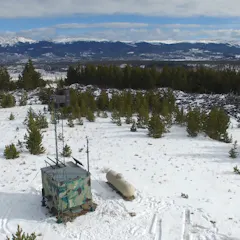
Several states are experimenting with weather modification to try to generate snow as water supplies shrink. An atmospheric scientist explains the history behind it – and the challenges.
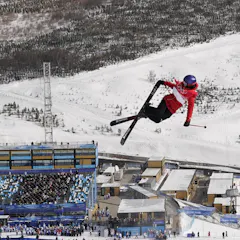
Innovation made the 2022 Winter Games possible in Beijing, but snowmaking has limits in a warming climate.
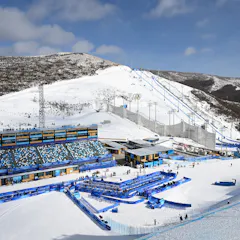
In Beijing’s climate, you could coat a Sydney apartment in a few inches of snow with the same energy the air conditioning would use in an hour.
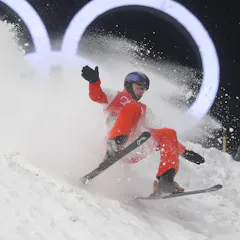
From pioneering green energy grids to mountains of fake snow.
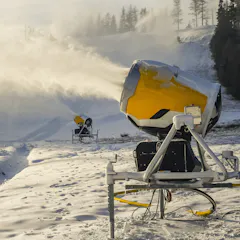
Snowmaking machines can produce enough snow to cover a run, but artificial snow is very different from natural flakes that fall from the sky.
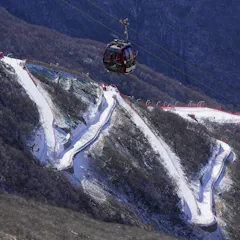
An analysis of 21 former Winter Olympic venues found that only one of them would be suitable and offer safe racing conditions for athletes if greenhouse gas emissions continue to rise.
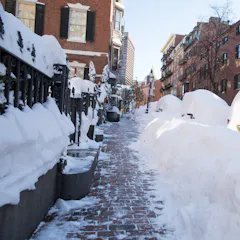
Winters are getting warmer, yet Bostonians were digging out from nearly 2 feet of snow from a historic blizzard in late January. Why is the Northeast seeing more big snowstorms like this?
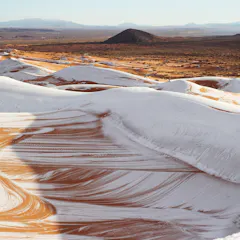
In order for snow to form, two distinctive weather properties are needed: cold temperatures and moist air. The Sahara can tick these boxes.
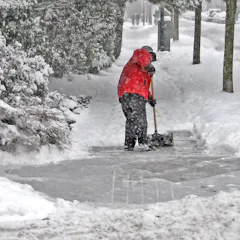
It’s hard to get accurate measurements, but a nationwide network of more than 8,000 volunteers with rulers and specific standards reports after every storm.
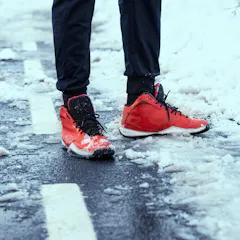
Preparing for being active in cold weather can help keep us safe and increase our enjoyment.
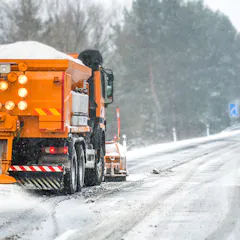
Salty water seeps into our soils and groundwater through surface runoff and storm-water pipes. The long-term storage of salt in the environment impacts aquatic life, infrastructure and drinking water.
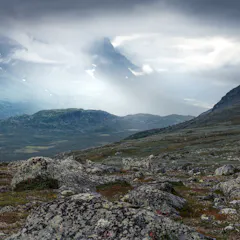
New climate simulations show that there will be more rain and less snow falling in the Arctic by the end of the century, particularly in the fall and winter.
Top contributors
-

Professor of Snow Hydrology, Colorado State University
-
Alaska Climate Specialist, University of Alaska Fairbanks
-
Deputy Lead Scientist, National Snow and Ice Data Center (NSIDC), Cooperative Institute for Research in Environmental Sciences (CIRES), University of Colorado Boulder
-
Senior Scientist, National Snow and Ice Data Center (NSIDC), Cooperative Institute for Research in Environmental Sciences (CIRES), University of Colorado Boulder
-
Senior Lecturer, Climate Science and Science Communication, The University of Melbourne
-
Associate Director, Climate System Research Center and Associate Professor of Climatology, UMass Amherst
-
Assistant Professor of Natural Resources, Colorado State University
-
Postdoctoral research associate, University of Tasmania
-
Adjunct Professor (Practice) in the School of Earth, Atmosphere and Environment, Monash University
-
Climate scientist, Australian Bureau of Meteorology
-
Research Scientist, Australian Bureau of Meteorology
-
Assistant Professor of Geology and Geological Engineering, Colorado School of Mines
-
Associate Professor of Atmospheric and Oceanic Sciences, University of Colorado Boulder
-
Professor of Physical Geography, University of the Witwatersrand
-
Associate Teaching Professor of Meteorology and Atmospheric Science and Manager of the Joel N. Myers Weather Center, Penn State