

Fires in Canada have sent smoke across several US states, leaving cities including New York, Chicago and Denver with some of the worst air quality in the world – even far from the flames.
Articles on Smoke
Displaying 41 - 60 of 81 articles
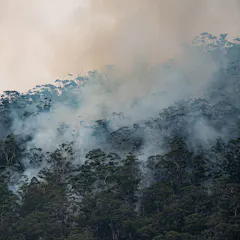
Be prepared. Download an air quality app, stock up on respirators and stay inside if you can.
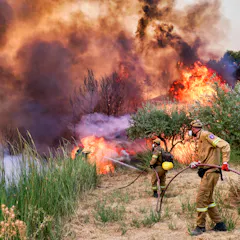
Atmospheric dust storms often follow wildfires and have serious impacts on human health and ecology.
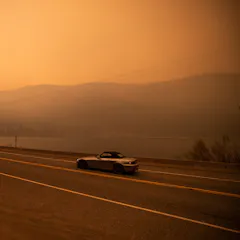
Brown carbon refers to a range of pollutants found in smoke from wildfires. They can contribute to global warming before they undergo a process that alters their chemical properties.
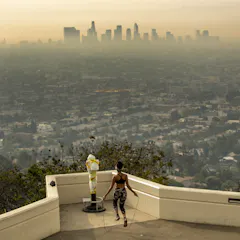
The worst effects are during high nighttime temperatures, something happening more often with climate change. Wildfire smoke adds to the risk.
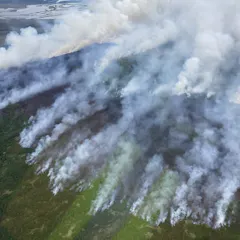
Fires today are hotter and more destructive, thanks in part to a warming climate.
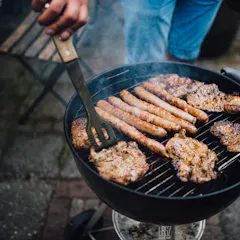
Barbecued food has unique and often delicious flavors. A food chemist explains how the process of grilling over an open flame can produce flavors unattainable through other cooking methods.
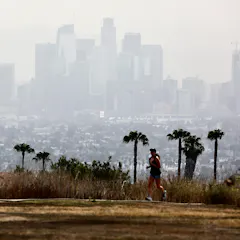
Southern California is on the front line of climate change, and recent survey data shows that residents are feeling its effects in many ways.
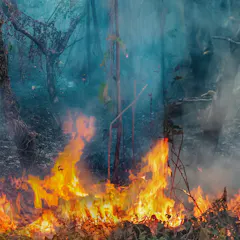
Scientists are studying fires in Africa at different times of year to see how the smoke from these fires changes over the year.

Pollution from more frequent floods and wildfires – exacerbated by the warming climate – is threatening human health and poses particular risks to the brain.
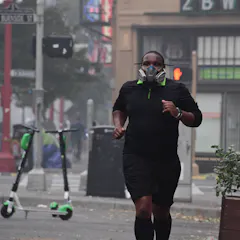
To stay healthy, it’s important to understand how wildfire smoke can harm your body and how to protect yourself.
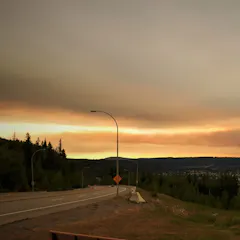
Smoke has long cast shadows across the skies in the northern hemisphere. Our aversion to smoke has influenced the way we’re willing to deal with the rising risk of wildfires.
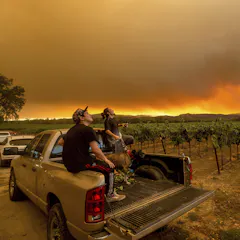
As wildfires continue to edge closer to towns and agricultural areas, grape producers and wine-makers in the Okanagan must once again deal with this increasingly frequent threat of smoke taint.
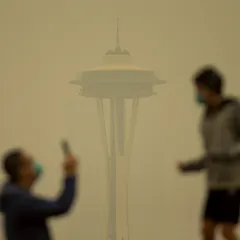
New research found that smoke from the Camp Fire in Paradise, California, carried high concentrations of lead. An environmental toxicologist explains what else you’re breathing and how to stay safe.
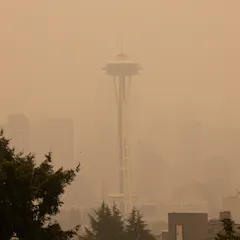
Wildfire smoke is both inevitable and largely unpredictable. We need to change our activities and behaviours to limit exposure to wildfire smoke and protect health.
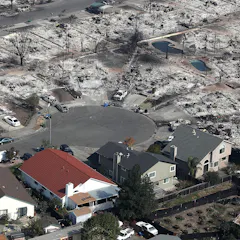
An increasing number of communities are discovering dangerous contamination in their water systems weeks or months after fires.
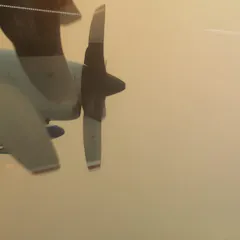
Thousands of chemical compounds in wildfire smoke are interacting with each other and sunlight as the smoke travels. For people downwind, it can become more toxic over time.
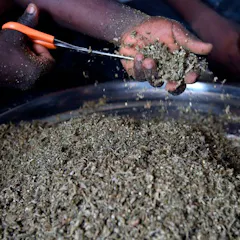
Beyond recreational consumption, young Nigerians are using cannabis to aid their schooling and work.
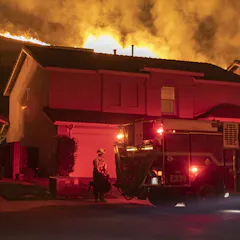
A fire scientist offers a six-point strategy for preventing wildfires and living safely in flammable landscapes.
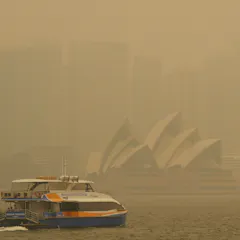
Smoke from the Black Summer fires likely caused more than 400 deaths. A national set of air quality categories is long overdue.
Top contributors
-

Assistant Professor of Environmental and Radiological Health Sciences, Colorado State University
-
Professor, School of Life Sciences, University of Technology Sydney
-
Professor of Environmental Health Sciences, UMass Amherst
-
Associate Professor of Geography, University of Colorado Boulder
-
Assistant Professor, Faculty of Health Sciences, Simon Fraser University
-
Associate Professor, University of Technology Sydney
-
Professor of Chemical and Biochemical Engineering, University of Iowa
-
Associate Professor of Civil and Environmental Engineering, University of Waterloo
-
University of Iowa Distinguished Chair, Professor of Environmental Health, University of Iowa
-
Associate Professor of Chemical Engineering, The University of Melbourne
-
Professor, Faculty of Health Sciences, Simon Fraser University
-
Professor of Chemical and Biochemical Engineering, University of Iowa
-
Professor of Chemistry, Colorado State University
-
Chancellor's Professor in Engineering, Climate Change and Civil and Environmental Engineering, University of Tennessee
-
Professor of Civil, Environmental and Ecological Engineering, Purdue University