
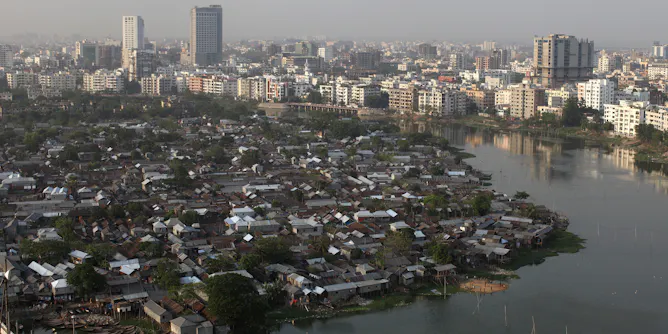
A community of 200,000 in Dhaka faces eviction to make room for “development”. Is it time to rethink the concept, especially with a billion people now living in informal settlements worldwide?
Articles on Slums
Displaying 21 - 40 of 42 articles

How theatre and artwork allowed us to better address severe air pollution.
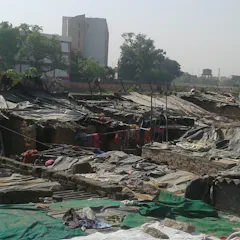
Indians were promised they would be included in planning 100 smart cities and that everyone would benefit. But many of the millions of slum residents have had no say in their homes being destroyed.
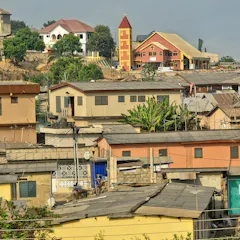
Research in Ghana shows that improving slum housing could be one of the alternatives to the capital’s housing crisis.
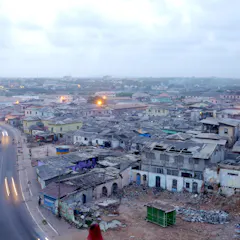
Self-organisation initiatives taken by slum residents across Africa can help urban development.
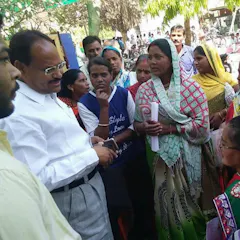
To help ensure that environmental and health services are available in slums, Indian women are asserting their rights thanks to solidarity networks and non-confrontational approaches.
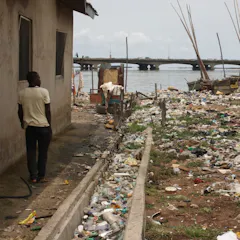
The UN defines water and sanitation as human rights. Why not decent drainage too?
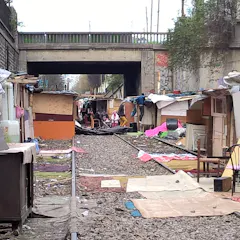
Slums are an increasing common phenomenon across the global North and global South. To what extent could they be seen as an inherent part of the urbanisation process?
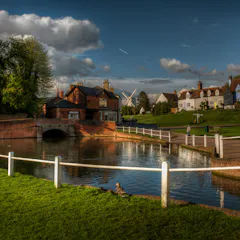
From Chinese tourists in Kidlington, to Brits slumming it in Rio, everyone wants an ‘authentic’ experience.
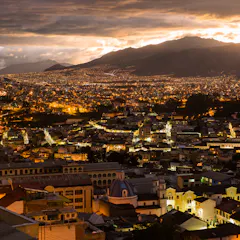
As many as 30,000 delegates gathered to decide the future of cities for the next 20 years – here’s how it played out.
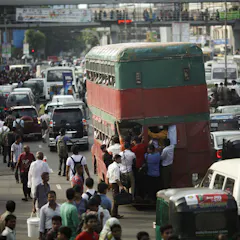
As cities trumpet their liveability, creativity and greenness, many informal settlement activities are often relegated to the shadows.
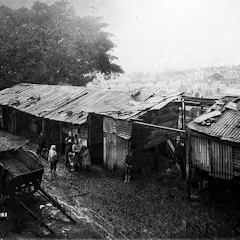
New research finds almost a million Australians are living in poor or very poor-quality housing, with more than 100,000 in dwellings regarded as very poor or derelict.
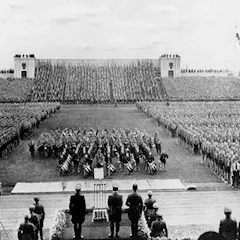
Imagine cities competed to eliminate hunger, poverty, unemployment, crime and greenhouse emissions, and to offer housing and transport for all. Don’t scoff – urban planning was once an Olympic event.
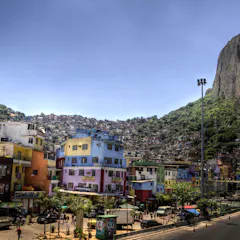
New York, Berlin and Paris have all suffered some ill effects from online rental platforms – without proper regulations, Rio could follow.
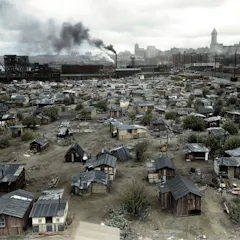
Like Brazil’s favela dwellers, America’s working poor felt a sense of pride and community in their shantytowns – and desperately resisted the powerful interests that sought to demolish them.
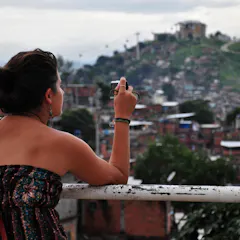
Slum tourism is broadly rejected as morally dubious and voyeuristic. But we should take a second look.
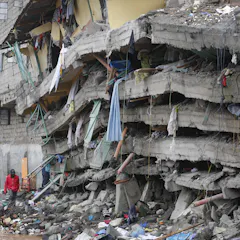
Building better, inclusive cities involves enabling the wise use of public land and taxes to ensure that high-quality housing and amenities are provided for all at a lower cost.
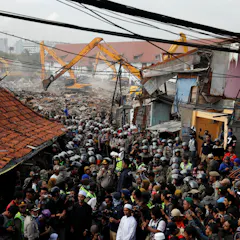
The world’s informal settlements are growing at an unprecedented rate, with about one in four urban dwellers living in slums. We need to rethink how we view and deal with these people and places.
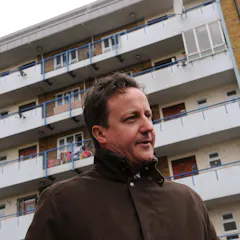
It is 2016 but, when it comes to housing, in many ways it could actually be 1891.
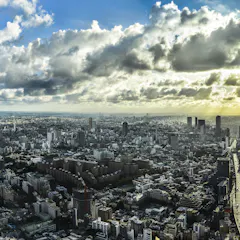
Migrants can be a huge boon to cities – but planning to support them is crucial.
Top contributors
-

Teaching Assistant Professor, University of Pittsburg and Visiting Associate Professor, The University of Osaka, University of Pittsburgh
-
Senior Associate in Kenya, Population Council
-
Associate Professor in Organisation Studies, University of Leicester
-
Research Active Lecturer, Discipline of Psychology, Charles Darwin University, Charles Darwin University
-
Lecturer, Crawford University
-
Professor of Urban Physical Geography, Coventry University
-
Senior Research Fellow, Digital Media, Western Sydney University
-
Associate Professor, Urban & Regional Planning, Sydney School of Architecture, Design and Planning, University of Sydney
-
Lecturer in Environmental Geography, University of Stirling
-
Research Fellow, University of Edinburgh
-
Professor of Geography, University of Sussex
-
Executive Dean, UniSA Business, Adelaide University
-
Research Scholar, Center for Sustainable Urban Development, Climate School, Columbia University
-
Casual Academic, School of Architecture and Built Environment, University of Newcastle
-
Senior Lecturer in Geography and Urban Design, UCL, Fellow 2017, Institut d'études avancées de Paris (IEA) – RFIEA