

A new book draws on over 600 cases of users tricked by fake listings and fake reviews, scammed out of money or placed in physical danger.
Articles on Sharing economy
Displaying 1 - 20 of 62 articles
Too much virtue language in a listing can cost an Airbnb host nearly $5,000 a year.
Far from a touchy-feely community, research shows online platforms such as Airbnb tend to strengthen users’ narcissism and class biases.

These days people prefer to simply have access to goods and services, rather than outright owning them. But what does this mean for the future of consumerism?

Before you rent out your home or car, make sure you are covered.
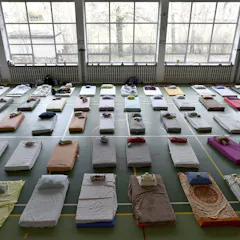
The use of Airbnb to channel donations to Ukrainians illustrates both the potential and limitations of the so-called sharing economy.
Two scholars of cities explain why dense, urban areas will survive – and thrive – long after the pandemic ends, and even if they don’t get a bailout.

Airbnb’s platform perpetuates the social exclusion of people with disabilities, while the 30-year-old ADA doesn’t apply to the sharing economy.
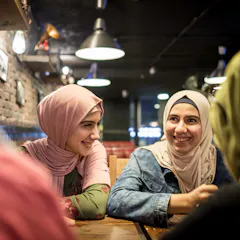
Research reveals a complicated relationship between surveillance and freedom, as surveillance activities allow for greater autonomy for women hoping to work in Jordan.

About 4% of Australian housing stock has been or is listed on Airbnb. The number of listings continues to grow, with a shift towards more professional managers of listed properties.

The sharing economy is often romanticised as a shift away from the evils of capitalism to a more communal and socially conscious way of life. But is this simply clever marketing?
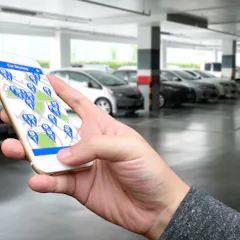
Car sharing is an important component of any transition towards a more sustainable transport system, but the practice has had some teething issues in Australia.

Discussions with Uber riders bring out a wide range of opinions about the platform, especially when it comes to ethics.
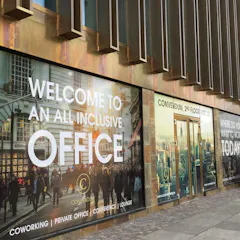
More people are choosing to work in shared spaces, and there are many benefits of this to the local economy, as well as downsides. Local governments should work with both.
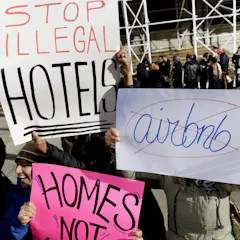
The patterns of Airbnb listings in Australia’s biggest cities suggest impacts on rental housing are likely to be biggest in high-end areas that appeal to tourists. Low-income areas are less affected.
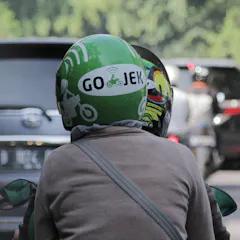
Drivers for online ride-hailing services face several social conditions that may challenge their efforts to transform collective action into a solid union.
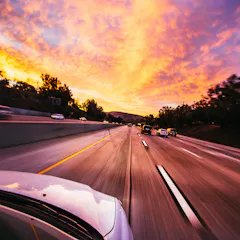
Self-driving, shared, electric vehicles and increasing urban density represent four disruptions that will transform city life. But a transport utopia isn’t a guaranteed outcome of their interactions.

At many popular destinations, residents are protesting against crowding, rowdy visitors and low wages. With some research, travelers can use their visits to enrich host areas instead of harming them.
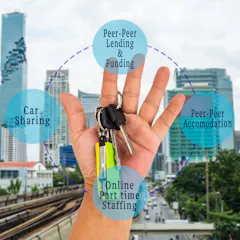
In cities dominated by globalised market forces, how can we achieve social equity and justice? For any sharing economy idea, we need to ask what will it do to fix the big problems confronting us all.
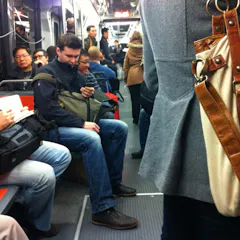
Millions of Americans rely on public transit to get to school, work or stores, but many can’t get the service they need. ‘Uberizing’ transit by offering more options on demand could fill the gaps.
Top contributors
-

Associate Professor UTS Centre for Business and Social Innovation, University of Technology Sydney
-
Research Fellow, University of Manchester
-
Associate Professor of Marketing, RMIT University
-
Professor of Economics, University of Canberra
-
Professor of Marketing, The University of Melbourne
-
Affiliate Researcher, Work and Organisational Studies, University of Sydney
-
Distinguished Professor of Law and Sidney Reitman Scholar, Rutgers University - Newark
-
Professor in Innovation and Impact, UNSW
-
Curtin University
-
Associate Professor of Business, Boston University
-
Dean of Programs, EM Lyon Business School
-
Clinical Professor of Supply Chain & Information Systems , Penn State
-
Director of X-Lab and Palmer Chair in Telecommunications, Penn State
-
M.S. Candidate, Community and Regional Planning, The University of Texas at Austin
-
Professor of Law, UNSW