

State law aimed at protecting sexually trafficked children can cause more harm than good by identifying them as criminals and not victims.
Articles on Sexual exploitation
Displaying all articles
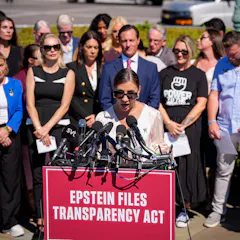
The conversation around #iwasfifteen sheds light on the dynamics of abusive relationships and the experiences of trafficking victims.

Young women are heavily targeted by sex-for-rent arrangements, and so are economically marginalised men.
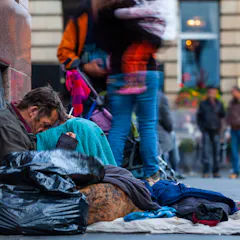
I’ve met many homeless British people who have been exploited. It seems to be addiction, more than homelessness, that puts them in harm’s way.

It is common for people to observe sexual exploitation and not try to intervene or stop it from happening. It’s useful to first understand why people do nothing.

The division between ‘pro-sex’ and ‘anti-porn’ feminists hasn’t done much to keep women safe from exploitation via porn – both real and AI-generated.
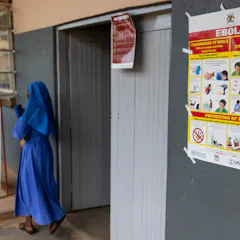
As with Ebola, it is often only when the harm is done that people working on the response realise health emergencies disproportionately harm women.
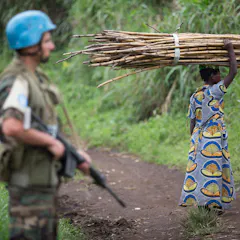
DRC has the highest number of allegations of sexual abuse by UN peacekeepers – yet no systematic research on the claims of their abandoned children has existed until now.
Sexual exploitation and abuse requires an active rather than passive response.
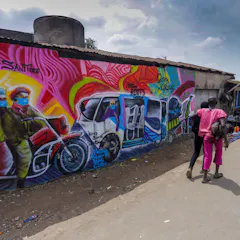
Social protection measures and food distribution targeting adolescents in informal settlements are urgently needed.

Slavery and slavery-like practices exist in Australia, in the form of forced marriages, sexual exploitation and forced labour.

Airbnb now has 7m listings in more than 100,000 cities, making it larger than the eight biggest hotel groups combined.
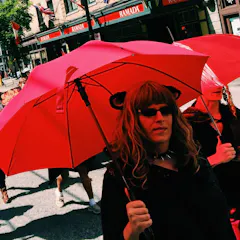
Citizens-watch programs designed by police to aid anti-trafficking efforts threaten the rights and safety of sex workers.
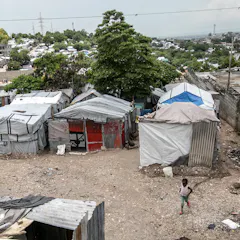
It’s all too easy to miss the point about sex work in areas hit by conflict and disaster. How about listening to the people who experience it?

To stop sexual exploitation in the aid sector, more self-regulation by NGOs isn’t the answer.
Top contributors
-

Lecturer in Politics and International Relations, Loughborough University
-
Senior Lecturer in International Relations, University of Portsmouth
-
Senior Associate in Kenya, Population Council
-
Professor, Political Science and Gender, Sexuality, and Women's Studies, Simon Fraser University
-
Professor of Psychology, University of Denver
-
Lecturer, History and Sociology, Australian National University
-
Senior research analyst, Population Council
-
Human trafficking and modern slavery researcher, Flinders University
-
Professor of International Politics, Queen Mary University of London
-
Associate Clinical Professor, Director, Humanitarian Assistance Program, & Director, Human Rights MA, University of Denver
-
Research Fellow, Psychology, University of Birmingham
-
Lecturer in Tourism & Events, Glasgow Caledonian University
-
Sex Worker Rights Activist, Independent Scholar
-
Associate Research Scientist at the Wellesley Centers for Women, Wellesley College
-
Regents' Professor of Public Health, University of Arizona