

Has romance turned into a marketplace where intimacy is measured through transactions?
Articles on Transactional sex
Displaying all articles
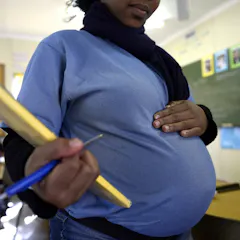
Programmes to address transactional sex need to be customised. The drivers change from country to country.
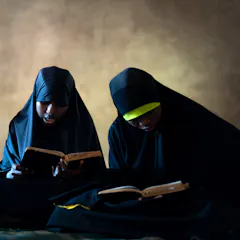
One in four girls between the ages of 15 and 19 globally who have been in a relationship have suffered abuse. Forty percent of these are in Africa.

There is a great deal of nuance around how young women negotiate their intimate relationships with men.
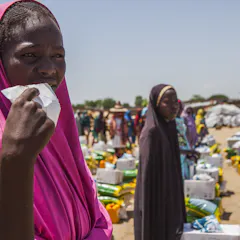
Sexual violence against women and girls in Nigeria’s northeastern region persists because of the Nigerian government’s lax response to cases of sexual offences.

Phones sometimes serve as a ‘digital leash’ to check women’s whereabouts - a growing feature of many relationships and conflicts.

Family structure and family support are protective factors against transactional sex among adolescents and young adults.

Citizens-watch programs designed by police to aid anti-trafficking efforts threaten the rights and safety of sex workers.

In some Nigerian universities, wealthy female students engage in trasnactional sex for pleasure, while those that needed financial support did it for the money.
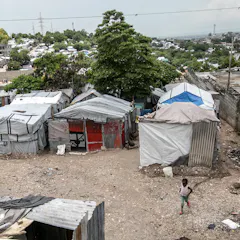
It’s all too easy to miss the point about sex work in areas hit by conflict and disaster. How about listening to the people who experience it?

When sociologists, driven by their value commitments, go beyond the relative comfort of the classroom and engage with organisations outside the university, they dirty their hands.

The messages that adolescents receive from sexuality education classes are frequently negative. It’s time for the curriculum to become more empowering for learners and teachers.
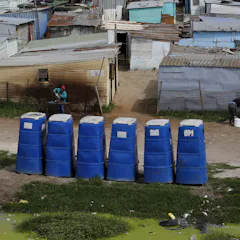
Interacting with communities can provide health planners with critical information that can help them solve health challenges in specific areas.
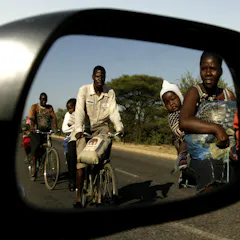
Material deprivation and young people desiring the latest fashion trends are motivating the transactional sex relationships in Malawi’s urban slums.
Top contributors
-

Research Scientist, African Population and Health Research Center
-
Senior Research Scientist, African Population and Health Research Center
-
Distinguished Reserach Professor, Southern Centre for Inequality Studies, University of the Witwatersrand
-
Professor of Psychology, Rhodes University
-
PhD student at the School of Public Health, University of Malawi
-
Chief Albert Luthuli Research Chair, University of South Africa
-
Professor of Sociology (Criminology, Victimology and Security Studies), University of Ibadan
-
Sex Worker Rights Activist, Independent Scholar
-
Policy research officer, African Population and Health Research Center
-
University of Kent
-
Assistant professor, University of Birmingham
-
Senior Research Fellow, Department of Anthropology, Durham University
-
Professor, Political Science and Gender, Sexuality, and Women's Studies, Simon Fraser University
-
Researcher, African Population and Health Research Center
-
Senior Lecturer in Global Public Health, University of Aberdeen