
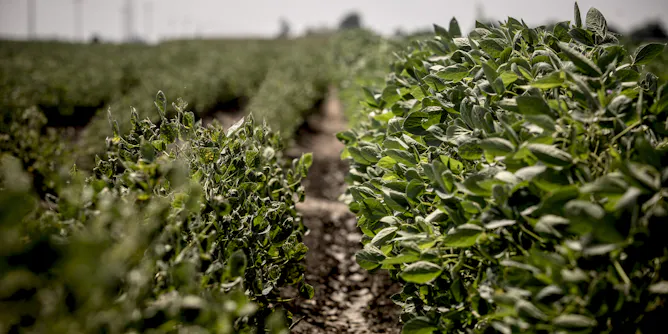
Farmers are stuck in a chemical war against weeds, which have developed resistance to many widely used herbicides. Seed companies’ answer – using more varied herbicides – is causing new problems.
Articles on Seeds
Displaying 21 - 40 of 53 articles
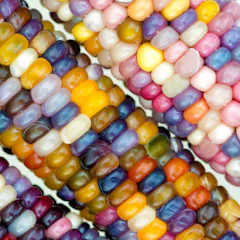
A historian argues for conservation strategies that embrace creativity and diverse farming methods.
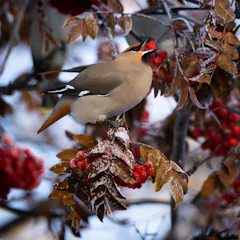
Forests around the world will need to shift their ranges to adapt to climate change. But many trees and plants rely on animals to spread their seeds widely, and those partners are declining.
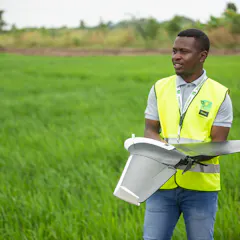
Realities on the ground tell a different story from the claim that a Green Revolution ensures food security and increased income for smallholder farmers in Ghana.
Seedkeeping can create a sense of home, reconnect communities with ancestral crops and preserve biodiversity and culturally significant crops for future generations.
Indigenous beans could enhance food security in Cabo Verde which depends on food imports.
Not all flowers smell good, to people at least, but their scents are a way to attract pollinators.
Improved seeds can alleviate a food security crisis deepened by COVID-19.

For some sand-dwelling plants, stickiness is a defense tactic that keeps predators at bay.

Anti-nutrients naturally occur in food and can block the amount of other nutrients available for your body to use. But their effects aren’t all bad, which is why they’re undergoing an image makeover.
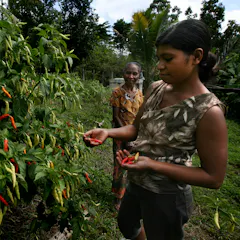
How Indigenous communities and a Timor-Leste NGO are reviving food sovereignty in one of Asia’s poorest countries.

And why development funders should listen to smallholder farmers
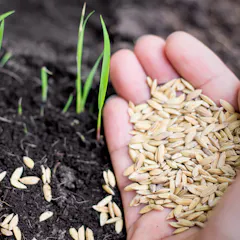
New research shows even brief hot spells can damage seed quality.
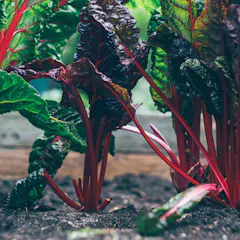
Saving seed is a way of protecting the world’s vegetable varieties, saving money, and increasingly, a political statement too.
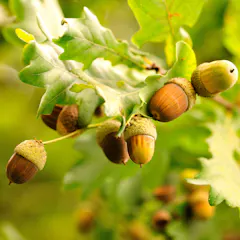
Masting is what biologists call the pattern of trees for miles around synchronizing to all produce lots of seeds − or very few. Why and how do they get on schedule?

With advancements in technology, libraries are offering much more than something to read. A library researcher offers a sampling of some unexpected items that library patrons can check out these days.
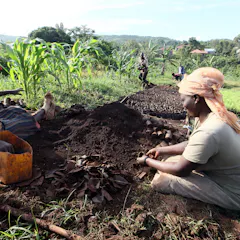
Little effort has been made to improve the quality control of the seed supply chain as a whole in Uganda.
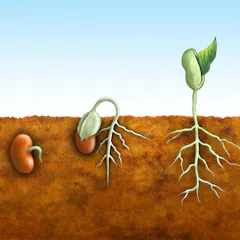
This is the story of how seeds came together bit-by-bit over a really long time, as plants evolved.
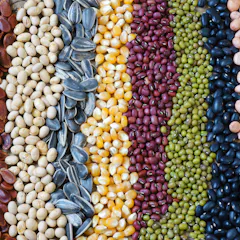
Sharing seeds was common practice among farmers throughout history until the rise of agribusiness. Now seeds are trademarked and regulated, but there’s a new place to get them for free: the library.
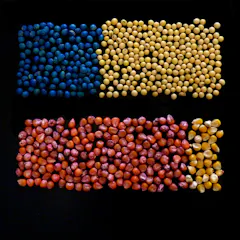
US farmers are planting more and more acres with seeds coated with neonicotinoid pesticides. An ecologist explains why this approach is overkill and may be doing more harm than good.
Top contributors
-

Professor of Entomology and Extension Specialist, Penn State
-
Associate Professor in History of Modern Science and Technology, University of Cambridge
-
Senior Lecturer in Natural Resources and Development, University of East Anglia
-
University of Antwerp
-
Assistant professor, Université de Mons
-
PhD Candidate, GPEM, The University of Queensland
-
Research Fellow in International Development, University of East Anglia
-
Professor and DSTI/NRF SARChI Bio-economy Research Chair, University of Cape Town
-
Emeritus Professor of Geological Sciences and Paleobotany, Indiana University
-
Professor of Sociology and Associate Dean for Research & Graduate Affairs, College of Liberal Arts, Colorado State University
-
Postdoctoral researcher, Université catholique de Louvain (UCLouvain)
-
Senior research fellow, KU Leuven
-
Post Doctoral Researcher, Université catholique de Louvain (UCLouvain)
-
PhD student, University of Cologne
-
Professor in Development Studies, Université catholique de Louvain (UCLouvain)