

Hundreds of ancient fynbos species could regrow and restore a former pine plantation on Cape Town’s Table Mountain, but only if the remaining pine trees are removed.
Articles on Seed banks
Displaying all articles
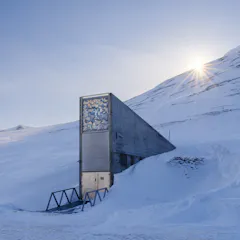
The Svalbard Global Seed Vault has a practical mission – protecting seeds as a backup for seed banks around the world – but inspires strong cultural, political and artistic reactions.

Faced with the collapse of biodiversity, there is an urgent need to protect the genetic diversity of species. But to preserve fruit trees, seed banks are not enough.
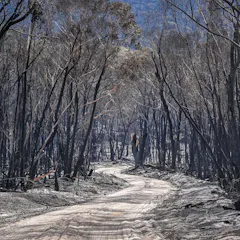
Seeds buried in the soil tell of fire in the landscape. I sampled soil from 57 sites that experienced different patterns of fire. Over 15 months, I watched 39,701 plants grow to learn their secrets.
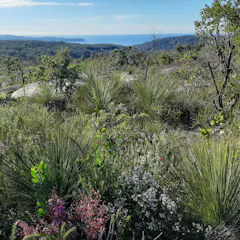
The need to restore native vegetation is clear, but we can’t properly repair nature without good, diverse supplies of native seeds.
Plus, the hidden world of microscopic fungi found inside the world’s biggest seed bank. Listen to episode 15 of The Conversation Weekly podcast.
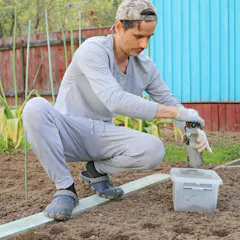
Seedkeeping can create a sense of home, reconnect communities with ancestral crops and preserve biodiversity and culturally significant crops for future generations.
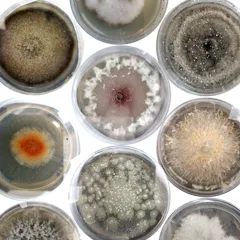
The idea that seed banks must be full of potentially helpful microfungi inside seeds was not a stretch, and yet no one had ever looked before.
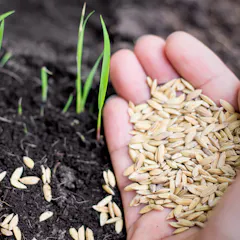
New research shows even brief hot spells can damage seed quality.
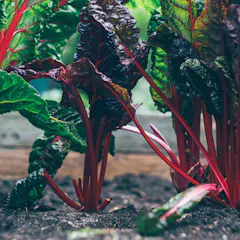
Saving seed is a way of protecting the world’s vegetable varieties, saving money, and increasingly, a political statement too.
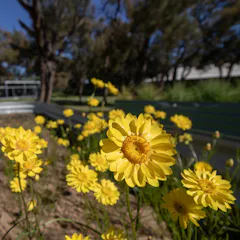
Despite the optimistic name, the showy everlasting only has three wild populations in Australia. But a West Australian public school has stepped up to help grow vital new seeds.
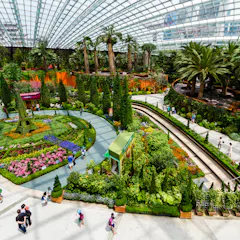
With technology, humans can now control temperature, humidity, water and light, creating new “outdoor” environments, inside.

Diversity, resilience, resistance to disease: seeds must be preserved to ensure we can feed our world in the future.
Top contributors
-

Postdoctoral Researcher in Mycology, Earlham Institute
-
Emeritus Fellow in Plant Biochemistry, University of Westminster
-
Chargé de Recherche, Laboratoire Techniques Territoires et Sociétés and Visiting Research Fellow, University of Sheffield
-
Professor of Microbiology, The Wellcome Trust Research Laboratory, Division of Gastrointestinal Sciences, Christian Medical College, Vellore
-
Research scientist, Murdoch University
-
Chairperson, Centre of Social Medicine and Community Health, Jawaharlal Nehru University
-
Associate Professor in History of Modern Science and Technology, University of Cambridge
-
Professor of Economics, Tata Institute of Social Sciences
-
Professor and ARC Future Fellow, Hawkesbury Institute for the Environment, Western Sydney University
-
PhD Candidate, Royal Botanic Gardens, Kew
-
Postdoctoral Researcher, Department of Biology, Aarhus University
-
Dalla Lana Global Journalism Fellow, University of Toronto
-
Research scientist
-
Professor of Crop Production, University of Reading
-
Invited User