

The winners of the 2023 Nobel Prize in physiology or medicine made a discovery that helped create the COVID-19 vaccines. They couldn’t have anticipated the tremendous impact of their findings.
Articles on Scientists
Displaying 21 - 40 of 115 articles
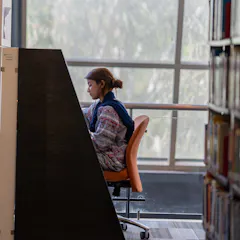
Our research found non-native English speakers face higher rejection rates and 12.5 times more revisions than their native English-speaking counterparts. But there are solutions.
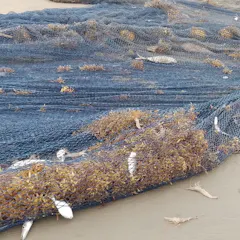
The seaweed invasion of parts of the Ghanaian shoreline is affecting coastal inhabitants.

Efforts to launch rockets into space from the UK need to demonstrate reliability.
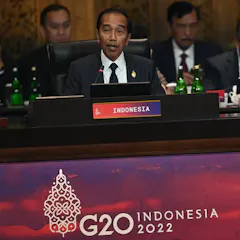
As the climate crisis worsens, and after being ravaged by the COVID-19, it is paramount for Indonesia and G20 countries to strengthen global pandemic preparedness and climate action.
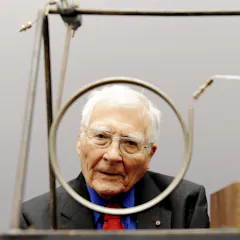
Famous for his Gaian theory, James Lovelock was a maverick and a revolutionary thinker.
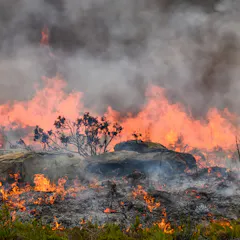
Fire must be allowed to play its natural role.

Scientists need to be good at asking questions, investigating the world to find answers, and keeping in mind that no matter how much they know, there’s always more to learn.
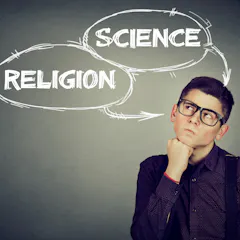
Two sociologists conducted interviews with atheist scientists and found that their views on religion are not as strident as the public perceives. Some even go to church.
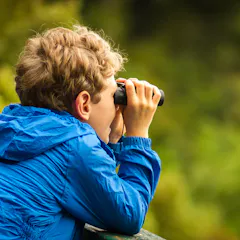
If we all collect and understand scientific data as citizens, we’ll be a step closer to a society able to make better collaborative decisions.
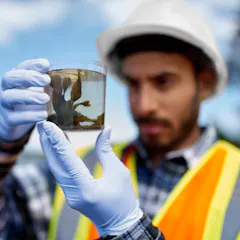
Many valuable scientific breakthroughs were originally published in a non-English language. New research shows more effort is needed to transcend language barriers to improve conservation science.

Only 7% of Australia’s federal MPs have backgrounds in science. What would it look like if they were a majority?
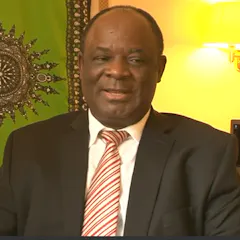
Nigeria’s academic community is mourning the death of virology professor and leading researcher, David Olufemi Olaleye.

The results of Foote’s simple experiments were confirmed through hundreds of tests by scientists in the US and Europe. It happened more than a century ago.
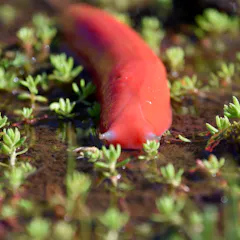
After more than 300 years of effort, scientists have documented fewer than one-third of Australia’s species. The remaining 70% are unknown, and essentially invisible, to science.
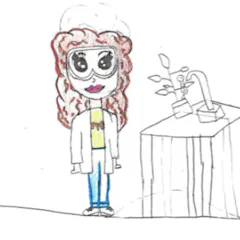
After completing a hands-on STEM program, students in Los Angeles were more likely to draw scientists as people of color or themselves instead of stereotypical white men in lab coats.
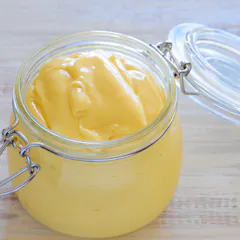
Fat replacers have the potential to mitigate the global obesity challenge.
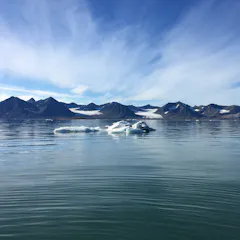
Three scientists describe the fieldwork they’ve had to delay in 2020 because of the pandemic. These are setbacks not just for their careers, but for the body of scientific knowledge.
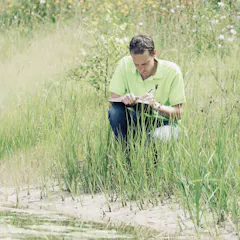
It’s one of the largest funding cuts to any university course, and will leave Australia ill-equipped to deal with the environmental challenges of the future.

About half of environmental scientists working for government had been prohibited from communicating scientific information.
Top contributors
-

Science Communication Researcher, Stellenbosch University
-
Professor of Public Relations, Michigan State University
-
Open Research Communications Specialist, University of Sheffield
-
Associate Professor of Higher Education, Georgia State University
-
Professor, Stellenbosch University
-
Chancellor's Professor of Medicine, Liberal Arts, and Philanthropy, Indiana University
-
Previous Vice President of the Academy of Science of South Africa and DSI-NRF SARChI chair in Fungal Genomics, Professor in Genetics, University of Pretoria, University of Pretoria
-
Professor of Physics, University of the Witwatersrand
-
Associate Professor of Advertising and Public Relations, The University of Texas at Austin
-
Paleoanthropologist, University of Wisconsin-Madison
-
Associate Professor, School of the Environment, The University of Queensland
-
Rural Sociologist/Criminologist, Coventry University
-
Senior Lecturer in Science Communication at the Australian National Centre for the Public Awareness of Science, and Founder of Popsicule, ANU’s Science in Popular Culture and Entertainment Hub, Australian National University
-
Assistant Professor of Public Relations, Northern Illinois University
-
Professor and Chair, Southwestern Environmental Science and Policy, Northern Arizona University