
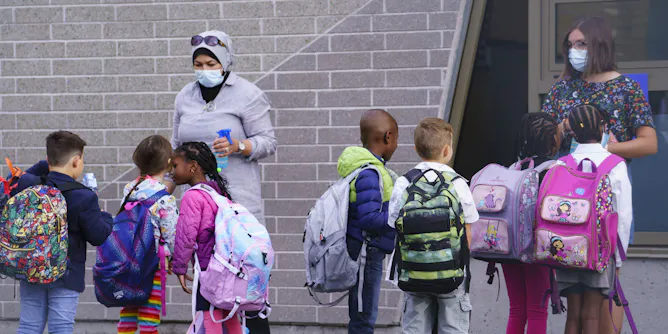
Even with ongoing unpredictability of the pandemic, there’s a role for principals as activist, socially just leaders in a post-pandemic world.
Articles on Schools and COVID-19
Displaying all articles
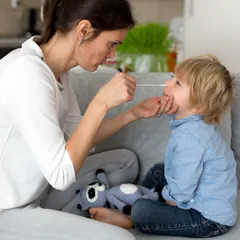
States are using 2 main school testing strategies: testing everyone regularly, known as surveillance, having close contacts test daily for 7 days and come to school if negative, known as test to stay.

We investigated the initiatives schools around the world took to help support and maintain the well-being of their students and staff. We pulled out seven things that made a difference.
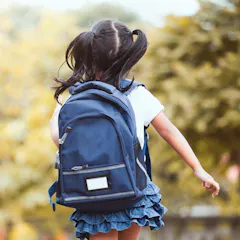
Children are not the primary drivers of Omicron. And for the majority of children, COVID has been a mild disease. But there are many known harms from school closures.
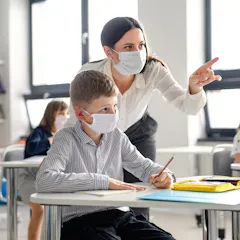
The NSW and Victorian government say they’re providing schools with adequate options for ventilation, including air filters. But schools can’t take proper action without monitoring air quality.
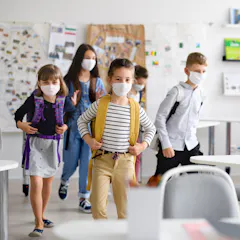
Many children will thrive on return to school. Others may need a bit more support to adjust to this big change in their lives and manage any anxieties they might have.
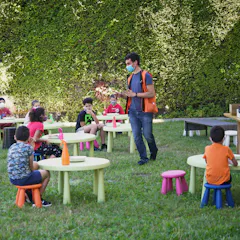
Moving classrooms outside is not a new idea. It’s been done in past disease outbreaks such as tuberculosis and the Spanish flu.

During the lockdowns last year, many experts and parents were concerned children’s education would suffer. But on average, students did OK. A lot of learning is incidental.

As children return to face-to-face learning, schools will need to adopt multiple strategies to overcome their longstanding problem of overcrowding.
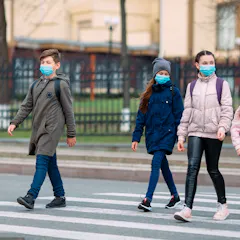
The NSW plan doesn’t measure up against international best practice. And Victoria doesn’t seem to be following a child-centred approach either.
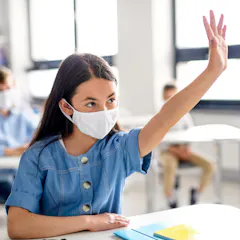
Most kids will be unvaccinated if schools in the two largest states re-open in term 4. There may still be community transmission, but there are measures we can take to shield kids from the virus.
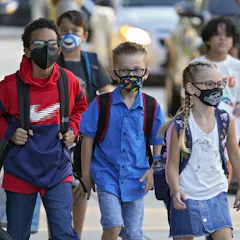
With no vaccination yet in children under 12, preventing COVID-19 spread in schools depends on fine-tuning policy interventions according to local epidemiology and vaccination rates.
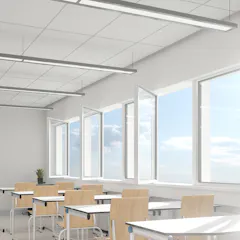
With evidence showing the COVID virus is airborne, it’s no coincidence many outbreaks in schools have occurred in winter – when windows are closed.
Top contributors
-

Senior Principal Research Fellow; paediatrician; infectious diseases epidemiologist; vaccinologist, The University of Melbourne
-
Adjunct Professor of Architecture, University of Technology Sydney
-
Hon Prof, Dept of Child & Adolescent Health, University of Sydney
-
Adjunct Professor, School of Nursing and Midwifery, Western Sydney University
-
Emeritus Professor, Faculty of Science, University of Technology Sydney
-
Professor of Global Biosecurity, NHMRC L3 Research Fellow, Head, Biosecurity Program, Kirby Institute, UNSW
-
Research Fellow, City Futures Research Centre, UNSW
-
Professor, Department of Epidemiology, Biostatistics and Occupational Health, McGill University
-
Associate Professor in Education, The University of Queensland
-
Clinical professor, Pediatric Department, Université catholique de Louvain (UCLouvain)
-
Professor, School of Population Health, UNSW
-
Professor, Education, Environmental Sustainability and Childhood Studies, Swinburne University of Technology
-
Lecturer, Department of Epidemiology, Biostatistics and Occupational Health, McGill University
-
Instructor in Educational Leadership, Western University
-
Associate Professor, Faculty of Law and Justice, UNSW