

Plans to prevent transmission in childcare settings are being left to states and territories, and these are at times fragmented. Parents and centres need a coherent and clear set of guidelines.
Articles on Children and COVID-19
Displaying all articles
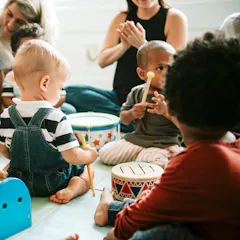
A new report calls for a federal strategy and package of support for the sector to reduce the risk of transmission among the one million unvaccinated children attending childcare and pre-school.
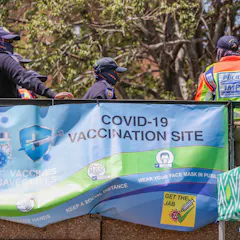
Countries like the United States, Denmark, Germany, Spain and Switzerland have already vaccinated many millions of adolescents and their experience will guide countries that follow suit.
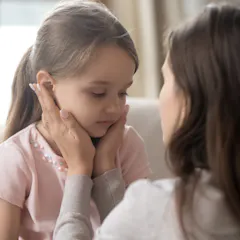
Children have been hearing about the dangers of COVID since the pandemic began. Here’s how to help them understand and cope with a positive diagnosis.
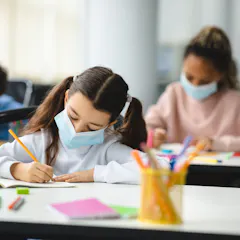
A new study in the United States found school reopening in late 2020 was associated with an increase in COVID-19 cases and deaths. But this was mostly the case where masks weren’t required.
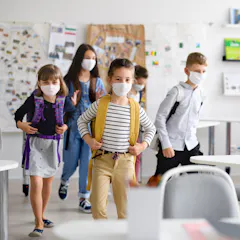
Many children will thrive on return to school. Others may need a bit more support to adjust to this big change in their lives and manage any anxieties they might have.
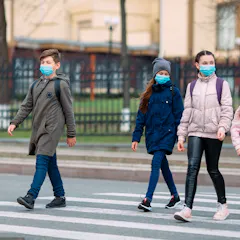
The NSW plan doesn’t measure up against international best practice. And Victoria doesn’t seem to be following a child-centred approach either.
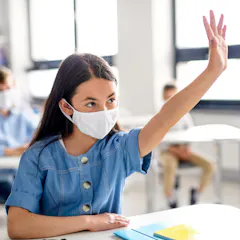
Most kids will be unvaccinated if schools in the two largest states re-open in term 4. There may still be community transmission, but there are measures we can take to shield kids from the virus.
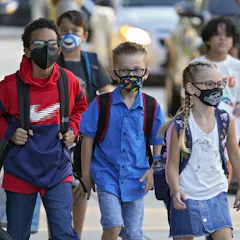
With no vaccination yet in children under 12, preventing COVID-19 spread in schools depends on fine-tuning policy interventions according to local epidemiology and vaccination rates.
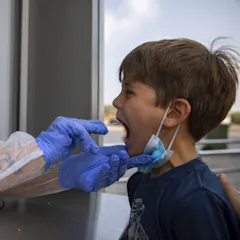
Children can get long COVID, but it seems to be less common than in adults. And they tend to recover quicker.

The national average in literacy and numeracy has been unaffected by 2020’s disruptions. But will have to wait until the full NAPLAN data is released to understand the affect on vulnerable students.
The government is paying childcare services in hot-spots 25% of pre-pandemic revenue. But without parents’ fees, the sector is still in a tough position.
Top contributors
-

Professor and Director, Mitchell Institute, Victoria University
-
School Education Program Director, Grattan Institute
-
Policy Fellow, Mitchell Institute, Victoria University
-
Professor, School of Population Health, UNSW
-
Research Fellow, Vaccine Uptake Group, Murdoch Children's Research Institute
-
Senior Lecturer in Educational Psychology and STEM
-
Principal Researcher - Epidemiology, Wits-VIDA, University of the Witwatersrand
-
Professor, Department of Epidemiology, Biostatistics and Occupational Health, McGill University
-
Professor of Paediatrics and vaccinologist, Royal Childrens Hospital, University of Melbourne and Murdoch Childrens Research Institute (MCRI); Associate Dean International, University of Melbourne, Murdoch Children's Research Institute
-
Clinical professor, Pediatric Department, Université catholique de Louvain (UCLouvain)
-
Scientia Professor of Economics, UNSW
-
Epidemiologist and Public Health Specialist, National Institute for Communicable Diseases
-
Professor of Global Biosecurity, NHMRC L3 Research Fellow, Head, Biosecurity Program, Kirby Institute, UNSW
-
Head, Centre for Vaccines and Immunology, National Institute for Communicable Diseases
-
Associate Professor, Faculty of Law and Justice, UNSW