
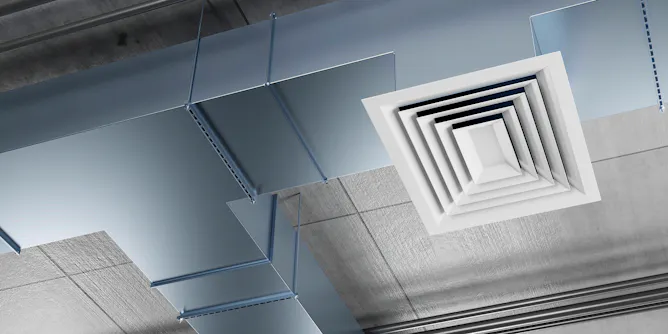
For many of us, COVID has become just a bad memory, despite its lasting and mixed legacies. While the media have largely lost interest in COVID, and people are now rather blase about it, the disease is still taking a toll.
Articles on Airborne virus
Displaying all articles
A previous review suggested that masks don’t work. We can assure you – they do.
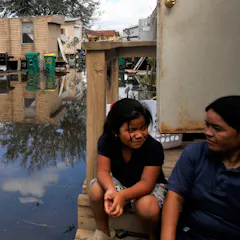
It’s not just mosquitos. Flooding, extreme heat and other climate-related hazards are bringing people into contact with pathogens more often, and affecting people’s ability to fight off disease.
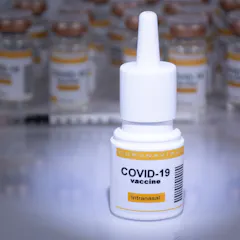
Research suggests that giving a person a vaccine through their nose can provide a better defense against future exposure to the coronavirus compared to a shot in the arm.
$13 billion would buy us safe air in schools and aged care facilities. It would give the same sort of benefits as safe water.
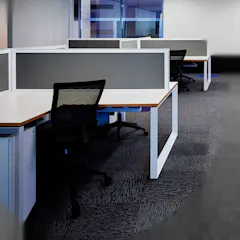
COVID has given us the opportunity to ensure our air is as safe as our water. It needn’t be expensive.
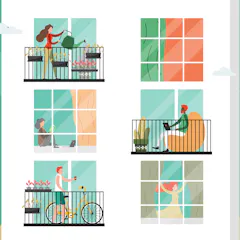
Avoid poorly ventilated parts of the building if you can. And always wear a mask when you open your door.
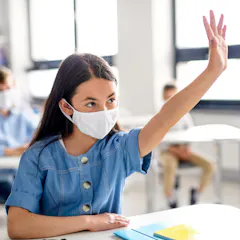
Most kids will be unvaccinated if schools in the two largest states re-open in term 4. There may still be community transmission, but there are measures we can take to shield kids from the virus.
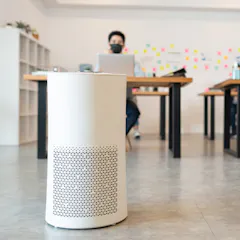
A$50 million could provide all NSW school classrooms with air purifiers with HEPA filters. This pales compared to the roughly $220 million-a-day cost of Sydney’s lockdown.
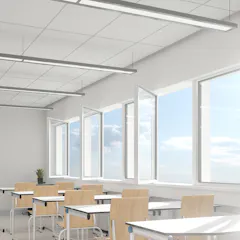
With evidence showing the COVID virus is airborne, it’s no coincidence many outbreaks in schools have occurred in winter – when windows are closed.

We found two small air cleaners in a single hospital room could clear 99% of potentially infectious COVID aerosols within 5.5 minutes.

Because COVID-19 is airborne, we can’t know if the shelter system is as safe as it should be without seeing metrics related to ventilation, filtration and occupancy.
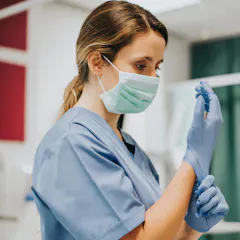
Health workers have long called for better protections against COVID-19. Well fitting masks are now required when caring for COVID-19 patients. But the guidelines on ventilation miss the mark.
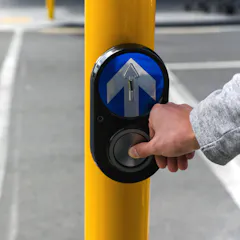
Surface transmission is a very uncommon way of getting COVID. We should focus most of our attention on the airborne route, potentially saving millions of dollars on obsessive cleaning practices.
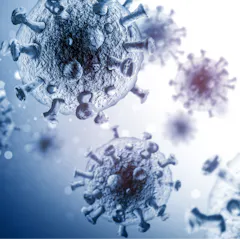
Miniaturized laboratory equipment is making it easier to identify airborne pathogens in the field, but there’s still work ahead to be able to instantly determine if a room is safe or contaminated.

SARS-CoV-2 can be spread through the air. But just how much of a factor that is has been hard to determine. Recent evidence suggests it is common, posing problems as public places begin to reopen.
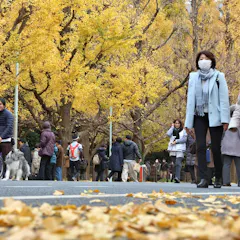
Retailers are selling ‘anti-virus masks’ but there is no strong evidence that they can stop the spread of flu.
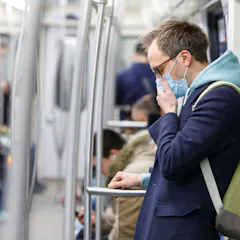
A new reactor may soon be able to safely disinfect the air in crowded spaces.
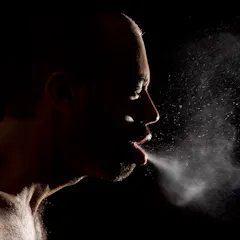
Suggestions the Ebola virus could “mutate” into a form that is transmissible by the respiratory route are speculative, and the likelihood of it happening are low. Nonetheless, the idea appears to have…
Top contributors
-

Adjunct Professor of Architecture, University of Technology Sydney
-
Professor of Global Biosecurity, NHMRC L3 Research Fellow, Head, Biosecurity Program, Kirby Institute, UNSW
-
Senior Lecturer, Medical Microbiology, University of Westminster
-
Associate Professor, Infectious Diseases, The University of Melbourne
-
Bayard D. Clarkson Distinguished Professor of Mechanical and Aeronautical Engineering, Clarkson University
-
Professor of Public Health, University of Toronto
-
Professor and Head of Department, Fluid Mechanics Group, Mechanical Engineering, The University of Melbourne
-
Adjunct Assistant Professor, Health Policy, Vanderbilt University
-
Associate Professor of Biology, Clarkson University
-
Associate Professor of Infectious Diseases and International Health, University of Virginia
-
Professor, School of Population Health, UNSW
-
Emeritus Professor, Faculty of Science, University of Technology Sydney
-
Consultant physician General Medicine & Infectious Diseases, Alfred Health, past MRFF TRIP Fellow, Monash University
-
Professor in the Division of Epidemiology, University of Toronto
-
Professor, Department of Civil & Mineral Engineering, University of Toronto