

In some cases, these restrictions have plunged people deeper into poverty.
Articles on Safety net
Displaying 161 - 180 of 183 articles

Medicaid and Medicare benefits appear safe for now. But SNAP food assistance and many other programs could be disrupted.

Are most homeless mentally ill? Is it inevitable that a society will have homeless people? A researcher digs into the real data on homelessness.

Most European nations have seen suicide rates fall by 20 percent or more. Research is limited, but some studies blame US inequality.

Poverty rates across the suburban landscape have increased by 50 percent since 1990. This suburbanization of poverty is one of the most important demographic trends of the last 50 years.

Accounting for grocery prices and the effort eating home-prepared meals requires, the benefits commonly called food stamps fall far short of paying enough for the poor to eat right.
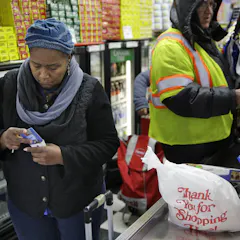
Cutting the program formerly known as food stamps would hurt low-income Americans and the whole economy.

Research suggests that government spending on very young children is a good investment.

The demographics, which include declining numbers of adult children free to step up and potentially fewer immigrants, suggest that this big problem society faces will get bigger.
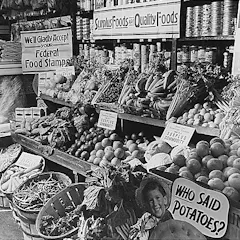
SNAP and its precursors have weathered plenty of efforts to shrink the safety net. Its decades of bipartisan support make it likely to survive this one.

The global elites are paying attention.

The new rules Kentucky and other states want to impose could leave millions of Americans who benefit from this safety net program uninsured – and resorting to the emergency room for their health care.

As the GOP prepares to slash spending to pay for tax cuts, lawmakers have been bringing up claims about the poor that don’t stand up to scrutiny.

The notion that obesity mostly afflicts the poor is a misconception.

With a little advance planning and creativity, librarians can help keep kids and teens busy and safe during emergencies.

Only very low-income Americans who are working or looking for work are eligible for federal, time-limited welfare dollars. This restriction doesn’t always help them get back on their feet.

Trump’s rationale for cutting the Temporary Assistance to Needy Families program rests on a myth at odds with contemporary data.

Misleading stereotypes help explain why the share of families living in poverty who benefit from a core assistance program has plummeted – and why Trump wants new cuts.

Cutting the program formerly known as food stamps would hurt low-income Americans and the whole economy. As research indicates that it’s working well, this drive to defund is baffling experts.

The best way to assess a program’s effectiveness is see how well it meets the goals for which it was created. Maybe someone could tell the Trump administration.
Top contributors
-

Associate Professor of Political Science, University of Richmond
-
Distinguished Professor of Sociology and Public Policy, UMass Amherst
-
Professor of Law, University of Virginia
-
Associate Professor of Public Health, The Ohio State University
-
Professor of Law and Energy Policy, University of Pennsylvania
-
Venable Professor of Law, University of Baltimore
-
Professor of Economics, University of Michigan
-
Professor of Economics and Director of the Private Enterprise Research Center, Texas A&M University
-
Professor of Gerontology, UMass Boston
-
Professor Emeritus of Public affairs and Philanthropic Studies, Indiana University
-
Associate Professor of Social Work, University of Memphis
-
Senior Research Fellow and Lecturer of Gerontology, UMass Boston
-
Assistant Professor of Social Work, University of North Dakota
-
Executive Associate Director of the Private Enterprise Research Center, Texas A&M University
-
Associate Professor of Agriculture and Human Sciences, North Carolina State University