
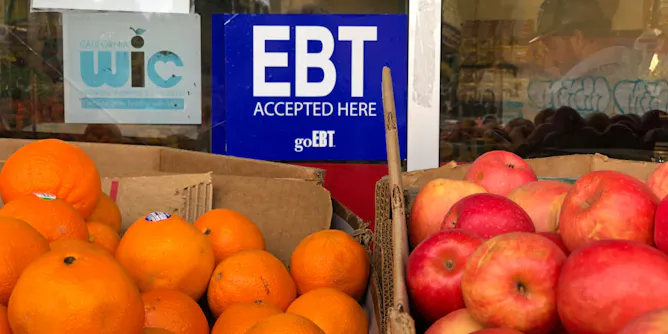
Nearly 14,000 people in one Pittsburgh-area county could lose a benefit that’s long been considered one of the country’s most effective anti-poverty tools.
Articles on SNAP
Displaying 1 - 20 of 43 articles

A combination of Colorado state tax credits for low-income families is predicted to lift more than 50,000 children out of poverty.

Family reunification is often framed as a cost, but evidence shows it functions as social infrastructure that supports work, well-being and economic stability.
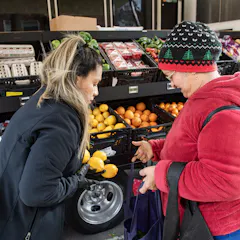
Farm bills – famously complex legislative and spending balances between farm subsidies, food assistance, conservation and more – have tended to be passed about every five years since 1933.

Billions of dollars have likely been wiped off the US gross domestic product.

For many Americans, a healthy diet of fruits, vegetables and whole grains is beyond their reach.

Congress passed and the president signed the deal just days before the US was expected to default on its debt.

The deal would raise the ceiling for two years, cap some federal spending and impose new work requirements on certain federal benefits. It still needs the blessing of Congress.
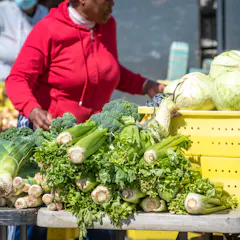
Even if you don’t live near farm country, you’ve got a stake in the upcoming farm bill – including what kind of farms your tax dollars support.

An economist explains what it would cost to give SNAP benefits to all Americans in households earning up to about $100,000 per year – and why it would be worth it.
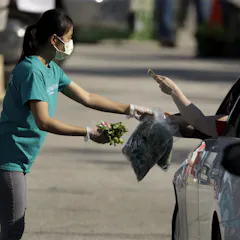
Farmers markets aren’t just for yuppies – they are increasingly serving customers at all social and economic levels, especially during the COVID-19 pandemic.

Monthly payments to families with children could lift millions of US children out of poverty.

The Biden administration is trying to shore up SNAP, a mainstay of the safety net.

A food policy researcher helps make sense of the lexicon of US food policy terms, and explains how they relate to racial justice.
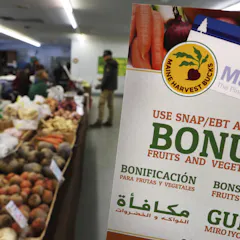
More Americans are getting benefits, and more of the people getting benefits are eligible for higher levels of support.

Concerns about having enough to eat are worsening among college students during the pandemic. This could ultimately affect how many finish school, two scholars argue.

More than 40,000 restrictions, most imposed by states, leave rights, benefits and opportunities out of reach for Americans with past convictions.
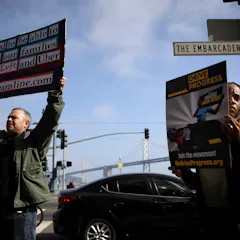
A scholar of the American safety net explains how, through her own brother, she’s getting a personal window into what it means to face COVID-19 as a worker in the gig economy.
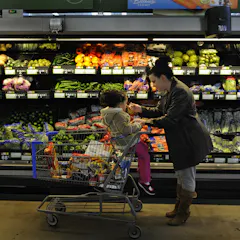
This pillar of the American safety net originated as a solution to the paradox of hunger in the midst of plenty.
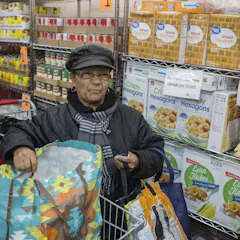
An often invisible force is undercutting support for policies that help Americans facing economic hardship.
Top contributors
-

Associate Professor of Political Science, University of Richmond
-
Associate Professor of Government, Cornell University
-
Professor of Public Policy (retired), University of Virginia
-
Executive Director, Swette Center for Sustainable Food Systems, Arizona State University
-
Associate Professor of Public Health, The Ohio State University
-
Associate Professor of Economics, Rady School of Management, University of California, San Diego
-
Associate Professor of Economics, University of South Carolina
-
Associate Professor of Agriculture and Human Sciences, North Carolina State University
-
Professor of Economics, University of Michigan
-
Co-Director of the Center on Urban Poverty and Community Development, Case Western Reserve University
-
Assistant Professor of Health Management and Policy, University of Michigan
-
Venable Professor of Law, University of Baltimore
-
Evergreen Assistant Professor, College of Education, University of Oregon
-
Academic Researcher, University of California, San Francisco
-
Assistant Professor of Nutritional Sciences, University of Michigan