

The spill at Sydney’s Australian Nuclear Science and Technology Organisation facility was of a household cleaning chemical that can be dangerous if it makes contact with the skin.
Articles on Safety
Displaying 141 - 160 of 233 articles

When you find yourself trapped in an immense crowd, what are the right reflexes to adopt to survive?
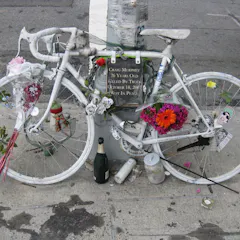
US cities were designed and engineered around cars. Now some are working to increase walking and biking, but the shift isn’t easy.

As more and more Australians live and work in high-rise buildings, their responsibilities and roles in ensuring all occupants’ safety must not be neglected.
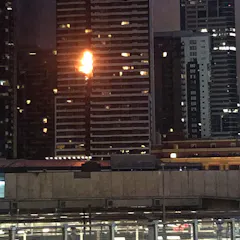
Fortunately, no lives were lost in the latest cladding fire in Melbourne, but it’s a stark reminder of the urgent need to track and verify that building materials comply with safety standards.

Migrants are no more at risk of drowning than Australian-born swimmers but you’d never know from media reports.

Here’s some advice for concerned working parents with kids at home during school holidays, based on our research on home security, burglaries and young offenders.
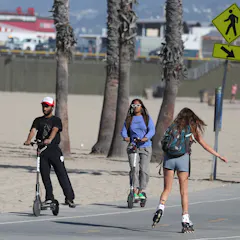
Motorized scooters that can travel up to 15 miles per hour have soared in popularity over the past year, as have concerns about their safety.

Many women do not feel safe at music festivals, citing the particular combination of big crowds and alcohol and drug intake making them particularly wary.

The additional precautions many women take when travelling alone help us manage our fears and feel more empowered to enter into public spaces.
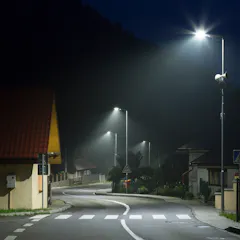
Street lighting may not actually reduce crime – but it can make people feel safer at night.

One of the biggest problems with single-pilot operations is that it’s very difficult to self-diagnose errors. That’s why checklists can help.

Drones are now being used to warn beachgoers about sharks – with groundbreaking accuracy.
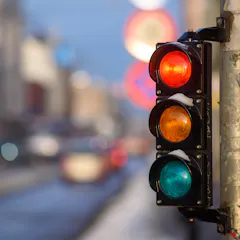
Hundreds of US cities have red light cameras to try to catch traffic violations and prevent accidents. But research shows that the cameras may encourage other types of accidents.

The warm summer months encourage more of us to get outside and exercise, whether by shooting hoops or riding a bike. But there’s a downside: higher risk of injury.
A survey found very few people are aware of the social and health benefits from the wide scale use of autonomous vehicles. But their attitudes change with a little extra information.
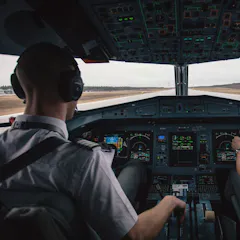
Aviation safety has much to gain from neuroscience: studying how our brains become “deaf” to alarms allows us to adapt the pilot’s flight instruments.
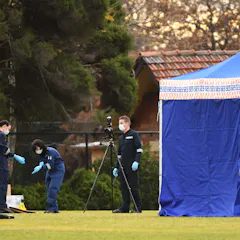
Advising women to “stay safe” is problematic because it transfers the responsibility for men’s violence onto women, and distracts us from more difficult conversations.

All the cyber threats that fans and footballers face at the World Cup…and tips for remaining safe.

Shipping is becoming greener, but this brings new safety challenges.
Top contributors
-

Emeritus Professor, University of Technology Sydney
-
Associate Professor and Principal Fellow in Urban Risk and Resilience, The University of Melbourne
-
Associate Professor, Human Systems Labs, University of Windsor
-
Associate Professor in Criminology, The University of Melbourne
-
Former Academic Research Fellow, Khalifa University
-
Postdoctoral Fellow in Studying Complex Systems, Stanford University
-
Associate Professor/Discipline Leader Accident Investigation and Forensics, CQUniversity Australia
-
NHMRC Research Fellow, School of Population Health and Co-founder UNSW Beach Safety Research Group, UNSW
-
Honorary Enterprise Professor, School of Population and Global Health, and Department of General Practice and Primary Care, The University of Melbourne
-
Director of Transport Systems, Professor of Safety & Accident Investigation, Cranfield University
-
Professor of Human Factors, University of the Sunshine Coast
-
Professor of Marine Technology, Liverpool John Moores University
-
Professor of Applied Cognitive Psychology, The Open University
-
Professor of Health Law and Director, Health Law & Policy Program, University of Arizona
-
Professor in Robotics, Queensland University of Technology