
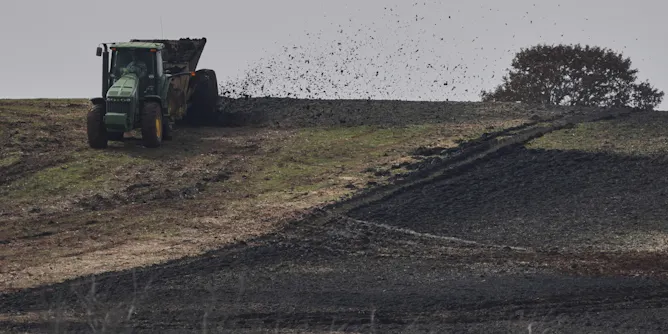
Plants need phosphorus, and other nutrients, to grow. But soil tests can’t tell if there’s too much.
Articles on Runoff
Displaying 1 - 20 of 22 articles
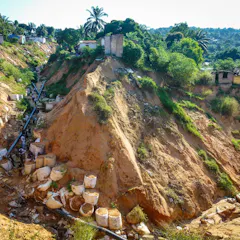
Urban planning can prevent gullies from forming, saving costly repairs and avoiding displacement of people.
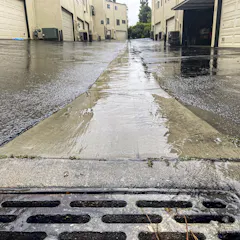
US cities are doing green infrastructure, but in bits and pieces. Today’s climate-driven floods require a much broader approach to create true sponge cities that are built to soak up water.
Inconsistent laws and penalties for water theft in the Murray-Darling Basin make compliance and enforcement especially challenging. But it doesn’t have to be this way.
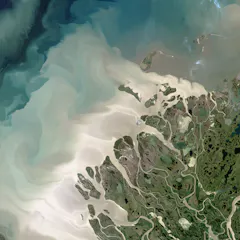
A new study shows how thawing permafrost and intensifying storms will change how water moves into and through Arctic rivers.

Phosphorus and nitrogen contribute to water pollution and cause harmful algal blooms. New research shows how mats of floating flower beds can take advantage of these nutrients while cleaning the water.
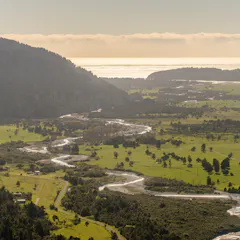
Over 200 million tonnes of sediment are transported by rivers to the sea each year, the most widespread water contaminant in the country. Its devastating impact on marine life has to be reversed.

We sampled 118 rivers and creeks before and after the Black Summer bushfires, searching for platypus DNA. Here’s what we found.
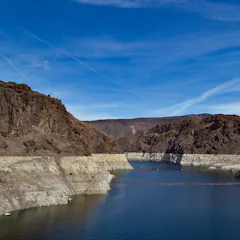
Unprecedented droughts leave the subsurface drier than usual, affecting water supply in subsequent years.

No other state in the South has had such large urban and suburban population growth since 2000.

New research forecasts that climate change will make multiyear stretches with low snow levels more common across western North America – bad news for water managers, farmers, foresters and skiers.
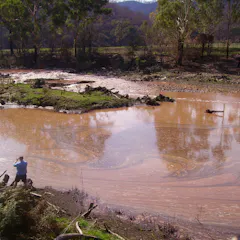
Australia’s water supplies are at risk as climate extremes provoke erosion events that threaten lakes and dams.
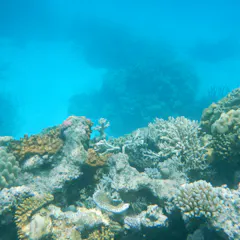
The federal government’s new $500 million funding package for the Great Barrier Reef seems predominantly focused on the tactics that are already being tried, without much success.

Some American voters hope that instant runoff can make our elections better. But a mathematician has an idea for another solution.
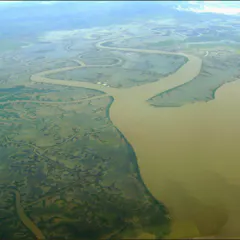
Australia will almost certainly miss its water quality targets for the Great Barrier Reef.
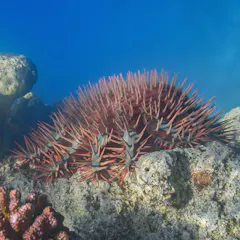
We’re going to miss the Great Barrier Reef’s water quality targets unless we help farmers better
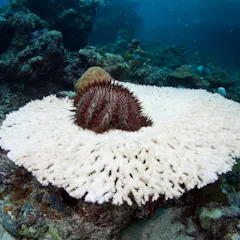
To fix pollution on the Great Barrier Reef, some farming practices will have to change.
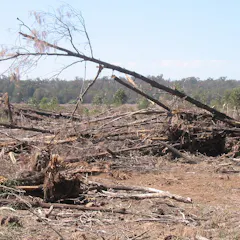
Land clearing in Queensland has tripled in the past five years.
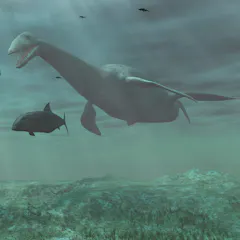
Too much fertiliser can kill all life in parts of the ocean. It has happened before – and could do so again.
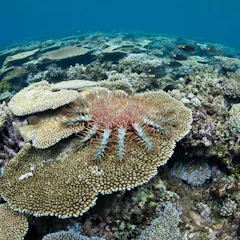
Despite 15 years of concerted action by the Australian and Queensland governments the health of the reef is not improving and in fact may be continuing to deteriorate.
Top contributors
-

Professorial Fellow, ARC Centre of Excellence for Coral Reef Studies, James Cook University
-
Professor - School of Agriculture and Food Science, The University of Queensland
-
Associate Professor and ARC Future Fellow, The University of Queensland
-
Postdoctoral Research Fellow, The University of Queensland
-
Professor & Director, QUT Centre for Environment and Society, Queensland University of Technology
-
Professor, Conservation Planning, ARC Centre of Excellence for Coral Reef Studies, James Cook University
-
Professor, Conservation Biology, The University of Queensland
-
Associate Professor, Associate Chair of Graduate Studies for Environmental Engineering, and Canada Research Chair in Stormwater and Low Impact Development (Tier II), Carleton University
-
Professor of Biogeochemistry, Director of the Cabot Institute, University of Bristol
-
Distinguished Research Professor and Australian Laureate, James Cook University
-
Assistant Professor of Geology and Geological Engineering, Colorado School of Mines
-
Professor of Environmental Management, The University of Queensland
-
Emeritus Professor of Environmental Management, The University of Queensland
-
Senior Lecturer, University of Wollongong
-
Professor in ecology and environment, Griffith University