

With the under-18 indoor mile world record under his belt, 16-year-old Sam Ruthe is poised for greatness. He also has modern coaching and shoe tech on his side.
Articles on Running shoes
Displaying all articles

Researchers are questioning whether the very features that are meant to boost performance may actually increase the risk of running-related injuries.

The standard advice is to replace your runners after 500–800 kilometres. But science shows it could be more or less – here are the three signs to look out for.
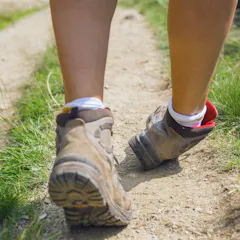
The ankle protection provided by high-top shoes may not be enough to reduce sprain risk significantly. In fact, this design may reduce athletic performance, and increase risk of ankle sprain for some.

Plantar fasciitis is a common injury.

Running as nature intended might help prevent shin, foot, knee and ankle injuries.
Top contributors
-

Lecturer in Sport, Exercise and Rehabilitation Science, Institute of Technology, Carlow
-
Senior Lecturer, Sport & Exercise Biomechanics, Adelaide University
-
Senior Lecturer, Department of Health Sciences, Macquarie University
-
Senior Lecturer, Adelaide University
-
Program Director for Podiatry, Adelaide University
-
Lecturer & Movement Scientist / PhD Sports Biomechanics, Flinders University
-
Lecturer in Exercise Science and Clinical Exercise Physiology, Adelaide University
-
Lecturer in Health Sciences, Macquarie University
-
Professor in Allied Health and Health Services Research, Adelaide University
-
Lecturer in Physiotherapy, Adelaide University
-
Lecturer in Podiatry, Adelaide University