
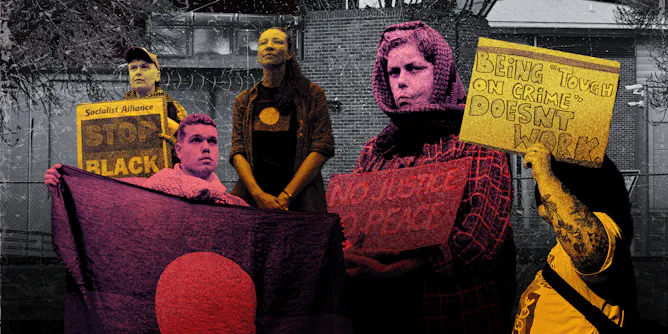
More First Nations people have died in custody in the past year than in any since 1980. It’s the inevitable result of policies that flout evidence of what would help.
Articles on Royal Commission into Aboriginal Deaths in Custody
Displaying 1 - 20 of 30 articles
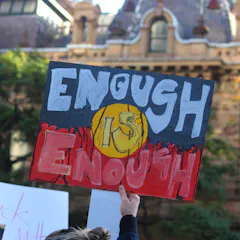
Indigenous people are again grieving the deaths of loved ones in custody. Would they have occurred if the royal commission recommendations had been fully implemented?
Black Witness asks us all hard questions about why we don’t pay more attention to the violence and neglect many Indigenous people suffer.
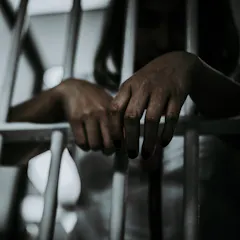
Lowering Indigenous incarceration rates is a key aim of the Closing The Gap targets, but there are more First Nations people behind bars than ever. How did this happen and what can fix it?
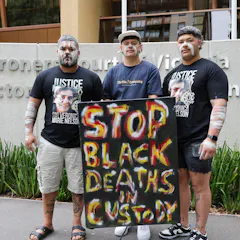
Arrested on suspicion of shoplifting and denied bail, Veronica Nelson died alone in a cell. A Victorian coroner has called for urgent reform of the state’s tough bail laws.
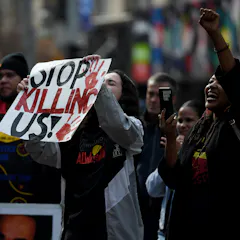
Russell Marks’ Black Lives, White Law is not about solutions; it’s about identifying the problems with Australia’s criminal legal system, and the injustice it does to First Nations people.

There has been a global shift to declare racism a public health crisis. But we need to drill deeper to understand racism, rethink health data and listen to lived experience.
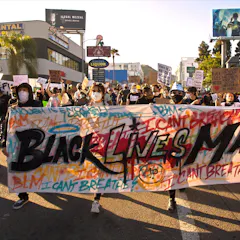
It’s tempting to see the sentencing of Derek Chauvin for the murder of George Floyd as an American phenomenon. But that is to ignore past and present injustice much closer to home.
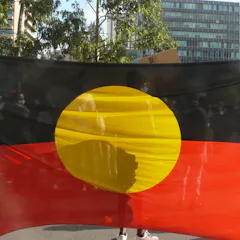
George Floyd’s death and the US Black Lives Matter movement sparked extensive media attention. Why aren’t Australian Indigenous deaths in custody getting the same amount of media coverage?
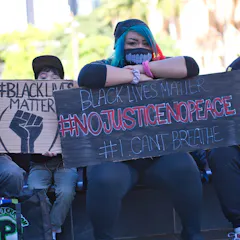
Despite the disproportionate numbers of Aboriginal people in prisons, there are near to no cultural protocols in place, and chronic illness is often not addressed.
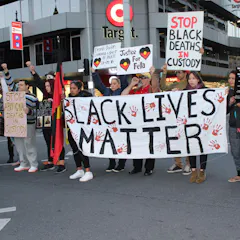
The government continues to refuse collaboration with Aboriginal and Torres Strait Islander families on addressing Aboriginal deaths in custody.
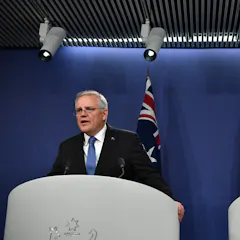
We have a long tradition of royal commissions in Australia — dating back to before federation. But we know from bitter experience they can fail to generate change.
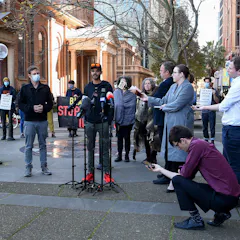
The Royal Commission into Aboriginal Deaths in Custody made recommendations to ensure ethical reporting of these deaths. Despite this, harmful and inaccurate reporting still abounds.
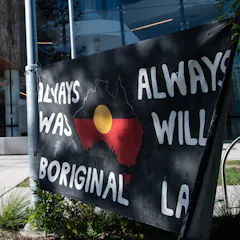
Investigations and inquests that follow a death in custody can offer insight into what happened. But much work is still needed to make these processes transparent and effective.
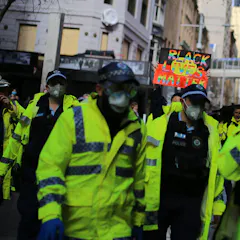
In the wake of four Aboriginal deaths in custody in three weeks, the government needs to reassess the police and corrections systems in Australia.
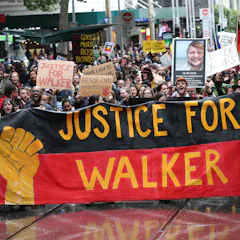
Warlpiri people in Yuendumu have been strident in their demands for justice for Walker and protections from ongoing police violence.
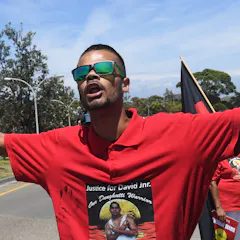
As the US continues to protest the death of George Floyd, Australia is choosing not to look at the hundreds of Indigenous deaths in custody here.
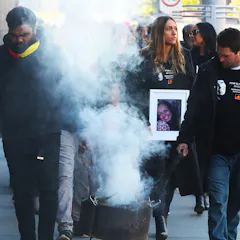
Systemic racism creates the architecture around which other forms of racism are enabled, supported and justified.
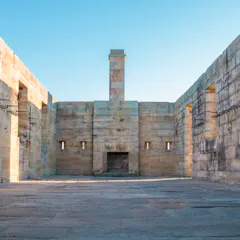
The 1991 Royal Commission into deaths in custody was preceded by an 1850 inquiry, which recommended that Aboriginal people be released should their health deteriorate in gaol.

Cape York Partnership founder Noel Pearson told Q&A that Indigenous Australians were ‘the most incarcerated people on the planet Earth’. Is that right?
Top contributors
-

Professor of Law, University of Technology Sydney
-
Senior Fellow Indigenous Programs, The University of Melbourne
-
Research Fellow, University of Technology Sydney
-
The University of Melbourne
-
Professor of Criminology, University of Technology Sydney
-
Professor in History, University of Tasmania
-
Victoria University
-
Senior Lecturer in Journalism, Adelaide University
-
Lecturer in Law, Faculty of Law, University of Technology Sydney
-
Professor, University of Technology Sydney
-
Professor of Communication, Deakin University
-
Senior Lecturer, UTS Faculty of Law, University of Technology Sydney
-
PhD Candidate, University of Technology Sydney
-
Professor of Criminology, Australian National University
-
Associate Director of Research and Senior Fellow, Yardhura Walani, National Centre for Aboriginal and Torres Strait Islander Wellbeing Research, Australian National University