
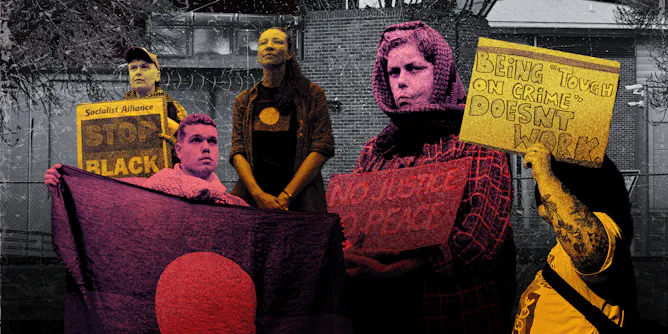
More First Nations people have died in custody in the past year than in any since 1980. It’s the inevitable result of policies that flout evidence of what would help.
Articles on Indigenous deaths in custody
Displaying all articles
A new report shows 33 of the 113 deaths in custody in 2024–25 were Aboriginal or Torres Strait Islander people. It’s the highest number in 40 years.

What does ‘justice reinvestment’ mean in practice? Who makes funding decisions? To find out more, we consulted Aboriginal communities in Bourke, Moree and Mount Druitt.
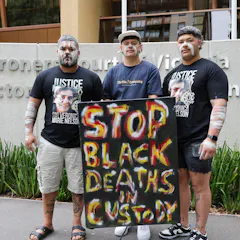
Arrested on suspicion of shoplifting and denied bail, Veronica Nelson died alone in a cell. A Victorian coroner has called for urgent reform of the state’s tough bail laws.
Where is the justice for young people whose mental health is impacted by being incarcerated?
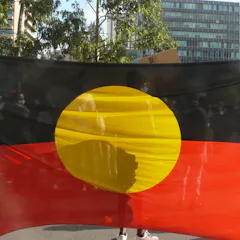
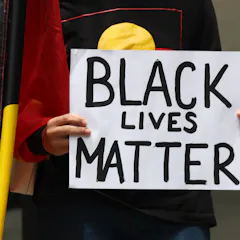
George Floyd’s death and the US Black Lives Matter movement sparked extensive media attention. Why aren’t Australian Indigenous deaths in custody getting the same amount of media coverage?
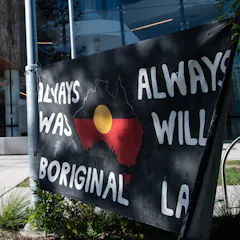
Investigations and inquests that follow a death in custody can offer insight into what happened. But much work is still needed to make these processes transparent and effective.
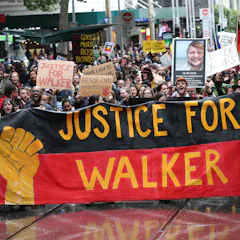
Warlpiri people in Yuendumu have been strident in their demands for justice for Walker and protections from ongoing police violence.
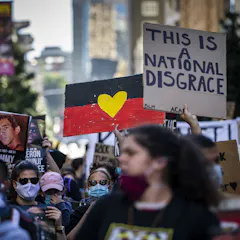
It’s a tragedy that hundreds have died because the recommendations of the Royal Commission into Aboriginal Deaths in Custody were not implemented fully.
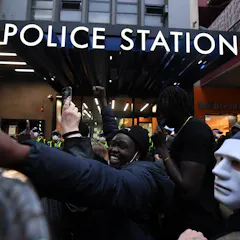
As the Black Lives Matter protests push for justice, suing the police for wrongdoing in custody remains an under-utilised area of law.
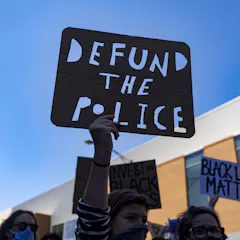
The call to defund the police forces us to reconsider our priorities: more police and prisons or investments in social housing, mental health services, domestic violence and family support programs?
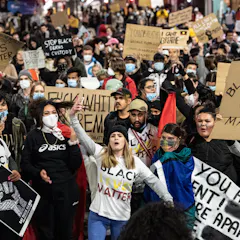
Australia has a mandatory legal review of every death in custody. But the system itself often prevents families from speaking out – a significant barrier to getting justice.
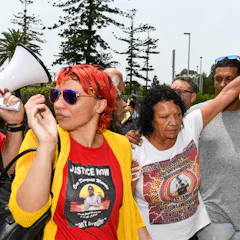
As Australians gear up to protest police violence against Indigenous people, an infectious diseases expert looks at how to manage the risk of COVID-19.
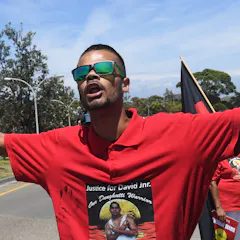
As the US continues to protest the death of George Floyd, Australia is choosing not to look at the hundreds of Indigenous deaths in custody here.
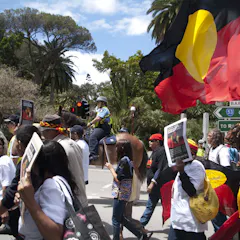
The statistics used to discuss deaths in custody can make us lose sight of the fact that it’s people we’re talking about. People with families and friends, who died prematurely – and often brutally.
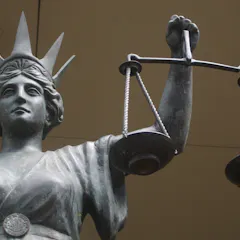
Accountability for the deaths of Aboriginal and Torres Strait Islander people at the hands of the state remains absent 25 years after the Royal Commission into Aboriginal Deaths in Custody’s report.
In the 25 years since the Royal Commission into Aboriginal Deaths in Custody, we’ve gone backwards.
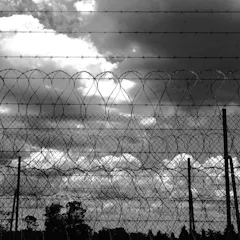
Australia has become less compassionate, more punitive and more ready to blame individuals for their alleged failings since the Royal Commission into Aboriginal Deaths in Custody.
The Royal Commission into Aboriginal Deaths in Custody’s report was meant to be a blueprint for reducing the disproportionate incarceration of Indigenous Australians and deaths in custody.
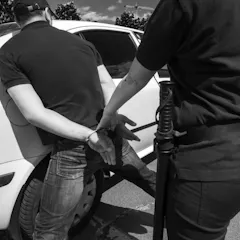
Northern Territory police powers to make ‘paperless arrests’ are completely contrary to recommendations by the Royal Commission into Aboriginal Deaths in Custody, and now the inevitable has happened.
Top contributors
-

Professor of Law, University of Technology Sydney
-
Research Fellow, University of Technology Sydney
-
Professor of Criminology, University of Technology Sydney
-
Lecturer in Law, Faculty of Law, University of Technology Sydney
-
Senior Lecturer in Journalism, Adelaide University
-
Lecturer, La Trobe University
-
Professor, The Centre of Best Practice in Aboriginal and Torres Strait Islander Suicide Prevention, the Poche Centre for Indigenous Health, The University of Western Australia
-
Senior Lecturer - Indigenous Health, University of Wollongong
-
Research associate, The University of Western Australia
-
Manager of community-led change, Just Reinvest NSW, Indigenous Knowledge
-
Emeritus Professor in Law and Criminal Justice, Adelaide University
-
Associate Professor, Jumbunna Institute of Indigenous Education and Research, University of Technology Sydney
-
Foundation Chair in Australian Indigenous Studies, The University of Melbourne
-
Senior Fellow Indigenous Programs, The University of Melbourne
-
Postdoctoral research fellow, The University of Western Australia