
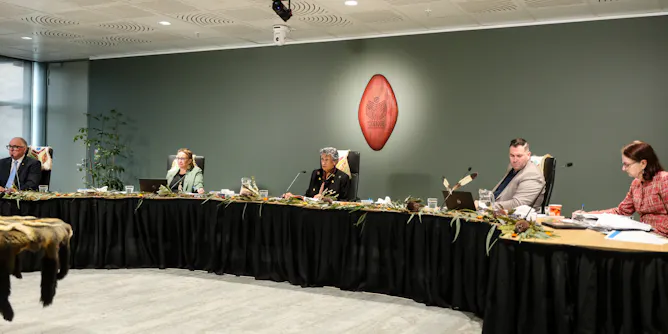
The Yoorrook Justice Commission has been hearing about racial profiling and other abuses of power from police. There are calls for an independent body to investigate police misconduct.
Articles on Aboriginal deaths in custody
Displaying 1 - 20 of 22 articles

What does ‘justice reinvestment’ mean in practice? Who makes funding decisions? To find out more, we consulted Aboriginal communities in Bourke, Moree and Mount Druitt.
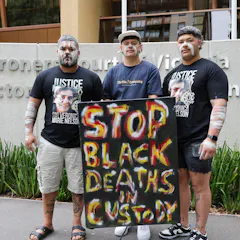
Arrested on suspicion of shoplifting and denied bail, Veronica Nelson died alone in a cell. A Victorian coroner has called for urgent reform of the state’s tough bail laws.
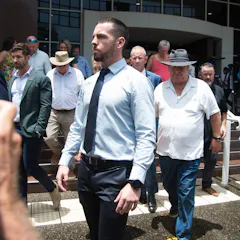
The inquest into the death of Kumanjayi Walker has begun, examining the causes of Kumanjayi’s death.
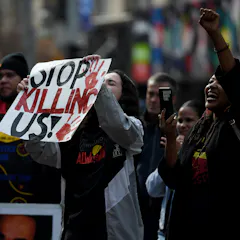
Russell Marks’ Black Lives, White Law is not about solutions; it’s about identifying the problems with Australia’s criminal legal system, and the injustice it does to First Nations people.

Until authorities acknowledge systemic racism and are held responsible for it, Aboriginal people will never see equity or just outcomes.
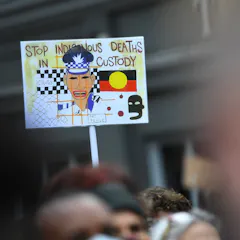
Victorian prisons provide limited access to adequate health care, particularly for Aboriginal and Torres Strait Islander people. Coronial inquests into deaths in custody show something must be done.
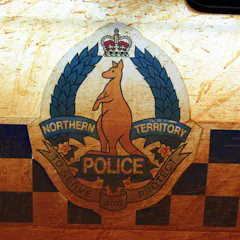
In the Northern Territory, fatalities by law enforcement is part of an historic cycle of policing in the north which includes police reprisal and then acquittal for murder.
The Australian government signed up an additional three years to implement the UN Protocol to the Convention against Torture. There has been limited progress, particularly for First Nations people.
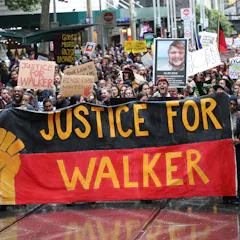
The High Court has thwarted a potential defence for the NT constable accused of shooting and killing Kumunjayi Walker in 2019 – that he was acting in ‘good faith’ as an officer at the time.
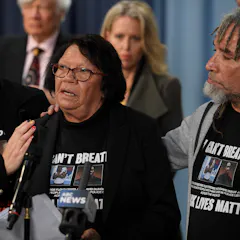
Incarceration Nation has the potential to shake the very core of your understanding of what it means to be Blak on this continent.
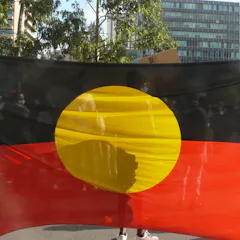
George Floyd’s death and the US Black Lives Matter movement sparked extensive media attention. Why aren’t Australian Indigenous deaths in custody getting the same amount of media coverage?
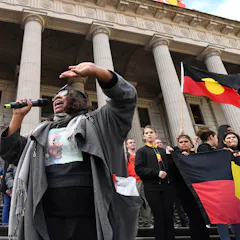
A documentary series aimed to spark national conversation about criminalising coercive control. However, it highlighted power imbalances in conversations between Indigenous and non-Indigenous women.
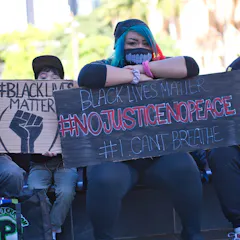
Despite the disproportionate numbers of Aboriginal people in prisons, there are near to no cultural protocols in place, and chronic illness is often not addressed.
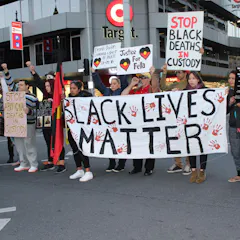
The government continues to refuse collaboration with Aboriginal and Torres Strait Islander families on addressing Aboriginal deaths in custody.
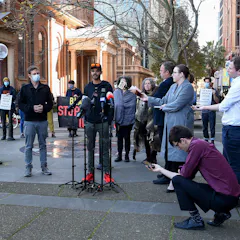
The Royal Commission into Aboriginal Deaths in Custody made recommendations to ensure ethical reporting of these deaths. Despite this, harmful and inaccurate reporting still abounds.
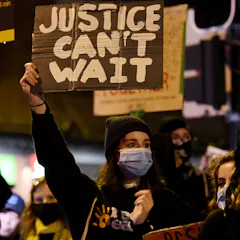
There has been some progress on judicial reform in Australia since the protests began, but structural change requires a truth-telling process and a real commitment from government for action.
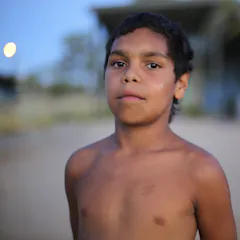
This new Australian documentary follows 12-year-old Dujuan Hoosan from Garrwa country to Geneva.
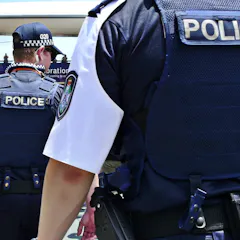
There’s no going back to the days when police did not carry guns. But now that they have them, their training must be unremitting. Australian lives depend on it.
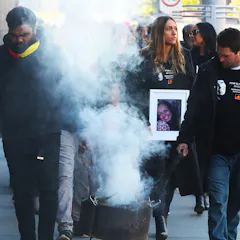
Systemic racism creates the architecture around which other forms of racism are enabled, supported and justified.
Top contributors
-

Professor of Law, University of Technology Sydney
-
PhD Candidate, University of Technology Sydney
-
PhD Candidate, University of Technology Sydney
-
Emeritus Professor in Law and Criminal Justice, Adelaide University
-
Lecturer, The University of Melbourne
-
Executive Director, The University of Melbourne
-
Lecturer, Criminology, Western Sydney University
-
Professor of Criminology, Australian National University
-
Senior Fellow Indigenous Programs, The University of Melbourne
-
Professor of Law and Director of Research, Jumbunna Indigenous House of Learning, University of Technology Sydney
-
Professor of Criminology, University of Technology Sydney
-
Indigenist Health Humanities Academic Director, Queensland University of Technology
-
Professor in Indigenous Policy, University of Technology Sydney
-
The University of Melbourne
-
Senior Lecturer in Journalism, Adelaide University