
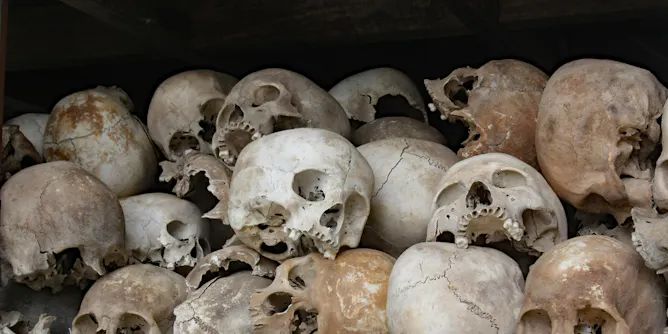
For Nobel laureate and Holocaust survivor, Elie Wiesel, ‘never again’ was ‘a prayer, a promise, a vow’. Unfortunately, this vow is all too often broken.
Articles on Rohingya
Displaying 41 - 60 of 104 articles
In Myanmar, spousal abuse is legal and stigma stop most women from reporting sexual violence. A bill championed by feminists but long stalled in Parliament may soon give women their basic rights.
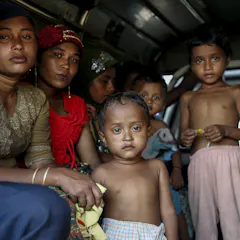
The issues that captured the world’s attention this year show the struggle to secure human rights is far from over.
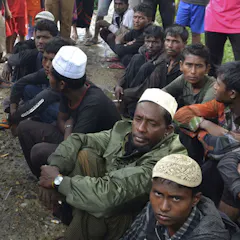
The UN’s Genocide Convention turns 70 this month. It’s time for the world to reaffirm its commitment to the international law and show the moral courage of our convictions.
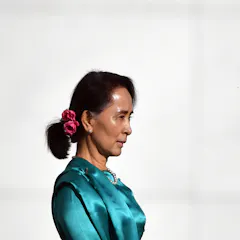
Facing increasing international pressure, Myanmar’s one-time star leader is running out of time to show leadership on human rights and the Rohingya crisis.
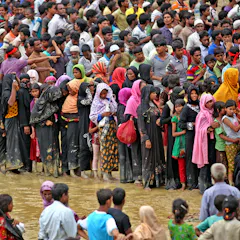
One of the most pressing issues in the region that Indonesia must deal with as a new UN Security Council non-permanent member is the Rohingya crisis.
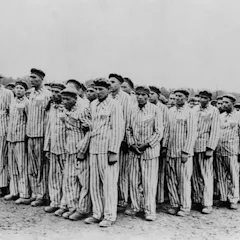
6 million Jews were killed in the Holocaust. What happened then, and how we can keep to the promise – “never again”?
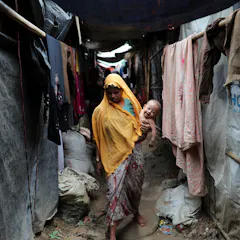
The evidence in the report is compelling, but experts explain there are many barriers to global leaders taking action.
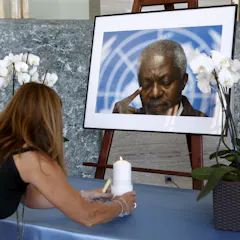
Kofi Annan and John McCain’s positive eulogies could be because both men seized moments of human dignity and decency.
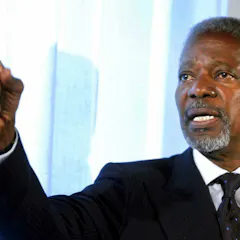
Kofi Annan’s tenure began after the reintroduction of two important international security lexicons – peacebuilding and human security.

The Rohingya have long seen Bangladesh as a place of refuge from persecution in Myanmar.

One of the world’s worst refugee crises is still unfolding, and conditions on the ground have barely improved.

A scholar who visited Rohingya camps in Myanmar found little hope of a safe return home for refugees, who are currently living in camps in neighboring Bangladesh.
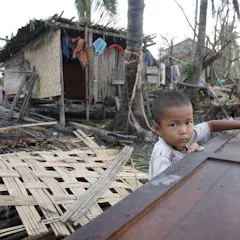
One hundred and forty thousand people died when a major hurricane hit Myanmar in 2008. Would the country be better prepared today?

From eye-scanners to 3D printers, technology in humanitarian crises can be a positive force for disenfranchised people.
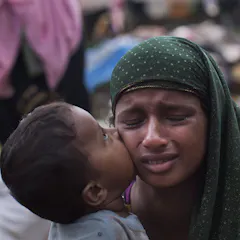
The United Nations High Commissioner for Refugees assesses the refugee claims of millions of people worldwide. It needs to be more open about what it discovers and how it makes decisions.
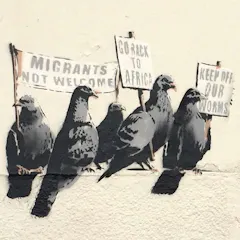
Identity politics can take an exclusionary or even predatory form, but can they also be more progressive and emancipatory?
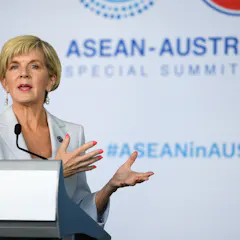
Talks should include barriers to women’s participation in peace and security institutions, countering violent extremism, foreign fighters, sexual violence in conflict, and the Rohingya crisis.

Human rights abuses might be embedded in the business model that has evolved for social media companies in their second decade.
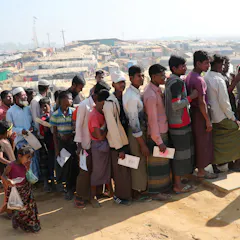
Vast numbers of Rohingyas in the region are stateless, living in limbo. Therefore, the Rohingya repatriation deal, its terms, delay and successful implementation impacts upon the lives of millions.
Top contributors
-

Associate Professor in International & Community Development, Deakin University
-
Lecturer, Department of International Relations, Universitas Gadjah Mada
-
Senior Lecturer in Politics and International Relations, University of Dundee
-
PhD Candidate, UNSW Law; Assistant professor, International Relations, University of Chittagong
-
Leverhulme Trust Early Career Fellow, Loughborough University
-
Deputy Chief Executive, Institute of Strategic and International Studies
-
Visiting Fellow, Crawford School of Public Policy and Visitor, Regnet School of Regulation and Global Governance, Australian National University
-
Doctoral Student, College of Community and Public Affairs, Binghamton University, State University of New York
-
Lecturer, School of Political Science and International Studies, The University of Queensland
-
PhD Candidate, International Relations, Australian National University
-
Honorary Enterprise Professor in the School of Social and Political Sciences, The University of Melbourne
-
Senior Fellow at the ASEAN Studies Center, Universitas Gadjah Mada
-
Research Associate, International State Crime Initiative, Queen Mary University of London
-
Director of the International PhD Program in Human Rights and Peace Studies, Institute of Human Rights and Peace Studies, Mahidol University
-
Researcher, Research Centre for Politics, Indonesian Institute of Sciences (LIPI)