

After decades of research revealing the long-term damage of fuel poverty, the problem is worse than ever.
Articles on Respiratory illness
Displaying 21 - 40 of 75 articles

Fry less, open doors and windows and switch to an electric stove if possible.
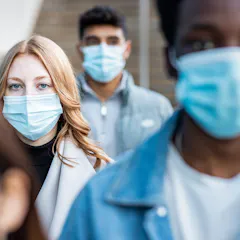
Decades of research show that respiratory illnesses are dramatically reduced when people wear face masks.
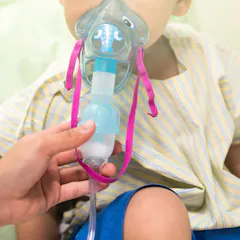
As visits to emergency departments surge — and in some cases overwhelm hospitals — here are answers to frequently asked questions about Respiratory syncytial virus (RSV).

Family physicians are on the frontline of health care, and their observations and support can help us get through the upcoming winter season.

In a systematic review of existing studies, researchers found that air pollution such as fine particulate matter can interfere with regions of the brain responsible for emotional regulation.

Pollen can trigger thunderstorm asthma, even in those without diagnosed asthma.

When COVID-19 and the flu co-infect, it’s ‘flurona.’ But such cases are rare, and there are effective ways to protect yourself from both viruses.
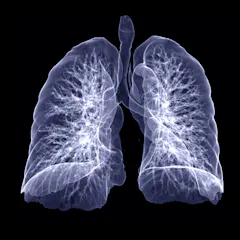
Understanding how injury and disease, including COVID-19, can impair lung function can help researchers and clinicians better help patients who are experiencing chronic conditions

Natural gas has been marketed for decades as a clean fuel, but a growing body of research shows that gas stoves can contribute significantly to indoor air pollution, as well as climate change.

Doctors are finding presentations of croup in children seeking hospital care for COVID.
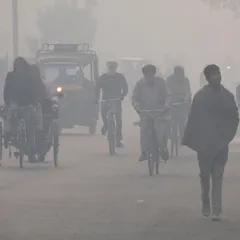
Fossil fuels account for one in five premature adult deaths each year.
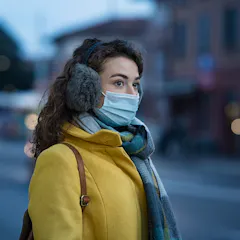
While there are plausible explanations for why this occurs, we can’t be certain of the effect of temperature on SARS-CoV-2. Being indoors in poorly ventilated spaces plays a big role.

COVID restrictions have prevented the spread of other respiratory viruses too. As these are lifted, the UK government has warned parents of a delayed surge in infections

New research challenges the idea that Laki caused years of extreme weather in Scotland and has implications for how we deal with sudden, forced climate change today.

The COVID-19 pandemic has highlighted the dangers of unhealthy workplaces and disempowered workers.
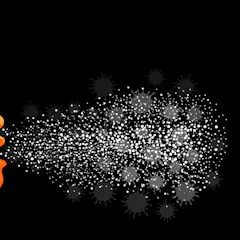
Fluid mechanics can be applied to the transport of respiratory diseases such as COVID-19.
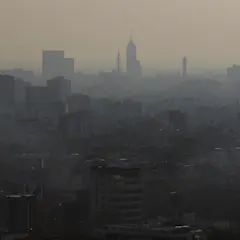
The Aztecs had a shining city on a lake, with canals, causeways and aqueducts – until the Spanish came. Mexico City is still suffering the consequences of their bad public health decisions.
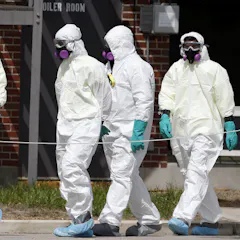
With the challenges posed by the coronavirus pandemic, veterans who were already lacking adequate benefits and resources are now in deeper trouble.
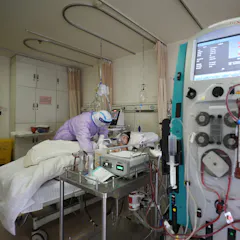
In the most severe cases, COVID-19 patients need oxygen pumped directly into their airways, or even be hooked up to a machine that does the job of their heart and lungs.
Top contributors
-
 David King is a Friend of The Conversation.
Senior Lecturer in General Practice, The University of Queensland
-
Professor, School of Life Sciences, University of Technology Sydney
-
Professor of Infectious Diseases, Monash University
-
Professor and Chair, Department of Environmental Health, Boston University
-
PhD Candidate, The University of Melbourne
-
Professor, Menzies Institute for Medical Research, University of Tasmania
-
Senior Respiratory Physiotherapsit & Researcher, The Kids Research Institute Australia
-
Associate Professor, School of Public Health, The University of Queensland
-
Scientia Professor, Faculty of Medicine and Health, UNSW
-
Postdoctoral Research Associate, ARC Centre of Excellence for the History of Emotions (Europe 1100-1800), University of Sydney
-
Fellow, University of Bristol
-
Professor of Public Health, Bond University
-
Medical Student at Cleveland Clinic Lerner College of Medicine, Case Western Reserve University
-
Emeritus Professor of Medicine, Adelaide University
-
Professor of Environmental Health Sciences, UMass Amherst