
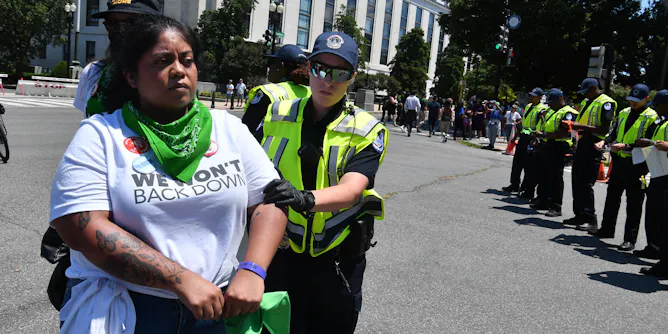
By overturning Roe v. Wade, the US Supreme Court has thrown the issue of abortion back to the states – and made it harder for Black and brown women to have access to reproductive health services.
Articles on Reproductive health
Displaying 81 - 100 of 144 articles

State supreme courts have a relatively low profile in the US. That’s going to change now that they will be under political pressure to decide whether abortion is protected in state constitutions.

Clinicians now able to give a clinical diagnosis of “suspected endometriosis” based on symptoms and a physical examination.

Three experts answer questions about the effectiveness, safety and side effects of medication abortion, using mifepristone followed by misoprostol.
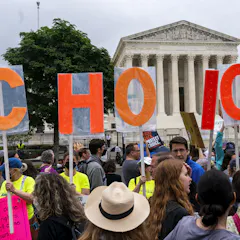
Restricting abortion access has negative effects on parents, as well as children and families, including increased poverty, unemployment, pregnancy-related deaths and higher health risks in children.

A draft opinion written by Justice Samuel Alito suggests that a majority of the court may overturn the landmark 1973 ruling that guaranteed the constitutional right to abortion in the US.

People living with endometriosis wait an average of 7.5 years for a diagnosis. Social science researchers are working to identify ways to help reduce this timeline.

During the pandemic, health care providers began prescribing abortion pills without requiring in-person exams. This practice could help people access the care they need when abortion rights are in limbo.

Doctors don’t ‘check you for everything’, but are guided by what you personally would benefit from, based on your age and individual history.
Burkina Faso is one of the poorest countries in the world. Financial barriers still prevent many families from getting the health services they need.
Why do women freeze their eggs? My research shows it’s for a range of reasons, and not always due to a desire to become a mother.

The legacy of eugenics is still active in the U.S. Paternalistic attitudes and policies on the reproductive agency of disabled people is one way it manifests.

The Affordable Care Act has allowed many preventive health services, including cancer screenings and vaccines, to be free of charge. But legal challenges may lead to costly repercussions for patients.
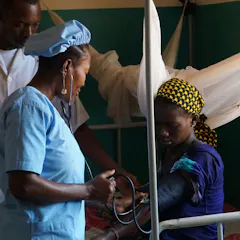
The exceptional measures deployed around the world during the COVID-19 pandemic have impeded access to urgent services like birth control, abortion and maternal and newborn care.

Economic opportunities, social norms and expanding education and employment options for many women help explain why U.S. fertility has slowed in the late 20th and early 21st centuries.
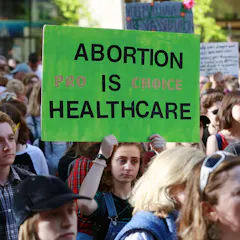
Worries about the potential repercussions of providing legal and accurate abortion care are endangering people’s health and lives

Some countries made abortion access easier during the pandemic. Others used it as an excuse for a crackdown.
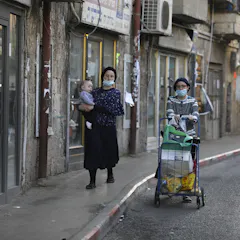
A Jewish studies scholar discusses the societal changes that women are leading in ultra-Orthodox communities.

Discovering a mouse with a reproductive system surprisingly similar to our own is good news for pregnancy research.

Taking sufferers’ accounts seriously is the linchpin to improvement.
Top contributors
-

Adjunct Senior Research Fellow, Global and Women's Health, School of Public Health & Preventive Medicine, Monash University
-
Research Scientist, African Population and Health Research Center
-
Professor of Law, University of Virginia
-
Senior lecturer, York St John University
-
Professor of Law, George Washington University
-
Associate Professor at NICM Health Research Institute, Western Sydney University
-
Senior Research Scientist, African Population and Health Research Center
-
Director, SPHERE NHMRC Centre of Research Excellence in Women's Sexual and Reproductive Health in Primary Care and Professor and Head of the Department of General Practice, Monash University
-
Assistant Professor of Obstetrics and Gynecology, UMass Chan Medical School
-
Assistant Professor and Canada Research Chair in the Politics of Reproduction, University of Waterloo
-
Professor of Sociology and Women's Studies, University of Florida
-
Professor of Labor Studies, Rutgers University
-
General Practitioner, PhD Candidate, Bond University
-
Sciences Po
-
Professor of Social Welfare, Stony Brook University (The State University of New York)