

Once rent is paid, having to live on only $14 a day doesn’t cover the costs of job seeking. The evidence of the need to increase Newstart and Rent Allowance is overwhelming.
Articles on Rental affordability
Displaying 21 - 40 of 47 articles
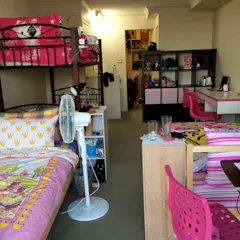
Living in shared rooms is on the rise, because it’s more affordable – and more profitable for landlords. But it’s also a more precarious, often overcrowded and poorly regulated form of housing.
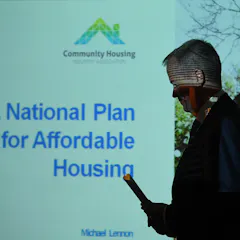
Labor has made a substantial commitment to tackling inequality in Australia, but has taken a second-best approach to overcoming the huge shortfall of social housing.
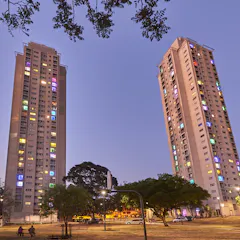
Working-class residents of Waterloo have a history of resisting threats to their community. Many tenants see the redevelopment of public housing as state-led gentrification to squeeze them out.
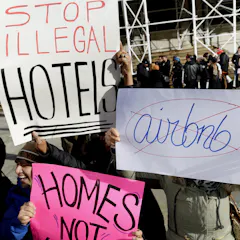
Short-term letting via digital platforms benefits some in the market at the expense of others. Closer regulation might be needed in Melbourne and Sydney, where a permissive approach prevails.

Renting a house shouldn’t mean it’s not home. Until we change our meaning of home by separating it from ownership, we will never be able to “fix” Australia’s housing crisis.
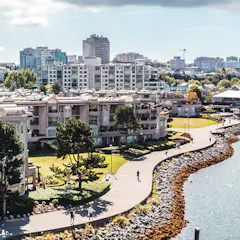
Cities overseas that have been able to overcome the affordable housing challenges facing cities like Melbourne have adopted a coordinated and systemic approach to scaling up solutions that work.

The standards we use today were designed to help avoid the overcrowded housing that blighted cities in the past. But severe overcrowding is again on the rise, so what needs to be done?
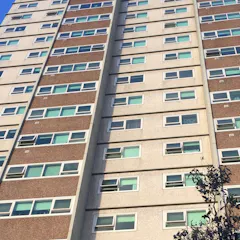
Housing affordability is one of Australia’s great unsolved problems. Some households can make adjustments to cover high housing costs, but the ones deprived of essentials are under real stress.
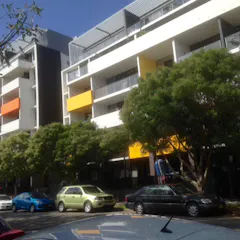
If local government is to deliver affordable housing, state and federal governments must assist. Even councils as powerful and well resourced as the City of Sydney cannot do it by themselves.

The Australian government has at last taken the lead in affordable housing policy with a package of measures that should attract institutional investors hungry for low-risk returns.
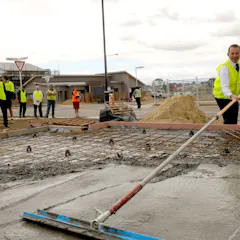
Unaffordable housing and homelessness are burning issues. Policymaking has suffered from a critical lack of data and expert input since the National Housing Supply Council was axed in 2013.
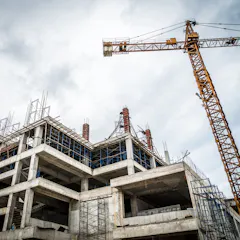
A modest rebalancing of federal tax policy toward build-to-rent housing could fill affordable housing funding gaps. Australian funds are already investing in such a scheme in the US.

Why can’t the state fund an ongoing program of upgrading, replacing and building public housing? On the evidence to date, private developers aren’t doing a better job of it.
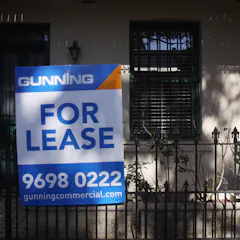
Private renters’ security of tenure in Australia has less legal protection than in other countries with high private rental rates. A new study reveals mixed responses to this state of uncertainty.
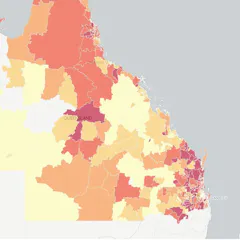
Almost nowhere in our capital cities can low-income households – and those on average incomes in Sydney – afford the median rent. Mapping rental vulnerability finds it in regional areas too.
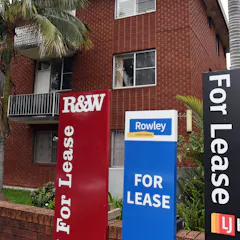
In a market already tilted in favour of landlords, these apps could further push up prices.

Who is entitled to the increase in value created by planning approvals, new infrastructure, population growth or urban development? For John Stuart Mill, the answer would have been the community.

Owning a home has deep cultural and economic connotations. A home owner is a member of a street, a community. They are a successful adult human. They own a piece of the pie, the dream.
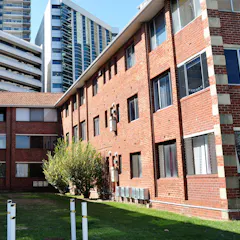
Only a small proportion of housing is affordable for low-income earners, while people on Newstart or Youth Allowance don’t have any affordable options at all.
Top contributors
-

Emeritus Professor of Housing, UNSW
-
Senior Research Fellow, City Futures Research Centre, UNSW
-
Adjunct associate, Swinburne University of Technology
-
Alan Morris is a Friend of The Conversation.
Professor, Institute for Public Policy and Governance, University of Technology Sydney
-
Associate professor in urbanism, University of Sydney
-
Research Associate, Centre for People, Organisation and Work, RMIT University
-
Housing Policy Researcher, Expert Advisor, Housing Assessment Resource Tools and Adjunct Professor, L’Université d’Ottawa/University of Ottawa
-
Professor of Housing & Social Policy, HHAUS Housing, Homelessness & Urban Studies, Swinburne University of Technology
-
Research Coordinator, University of Toronto
-
Professor of Housing Research, Adelaide University
-
Adjunct Professor, Centre for Urban Research, RMIT University
-
Senior Research Fellow, Housing, Homelessness & Urban Studies (HHAUS) research group, Swinburne University of Technology
-
Senior Lecturer in Digital Society, Western Sydney University
-
PhD Candidate, School of Social Sciences, University of Tasmania, and Senior Research Consultant, Institute for Sustainable Futures, University of Technology Sydney
-
Associate Professor & Associate Investigator ARC Centre of Excellence for Automated Decision Making + Society, Swinburne University of Technology