
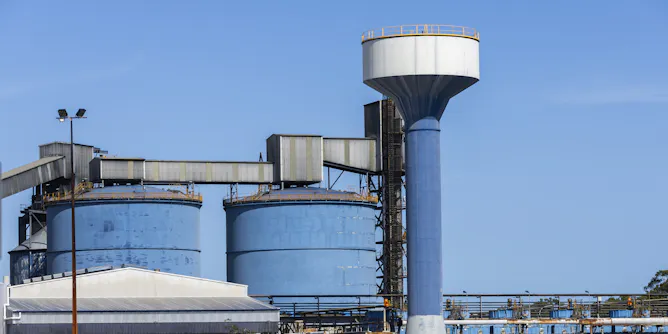
The government’s approach to saving Tomago offers a blueprint for other interventions to future-proof industry, such as at Whyalla.
Articles on renewables transition
Displaying 1 - 20 of 26 articles

Consumers in some countries are already being offered free electricity when renewables bring in extra power.

The urgent need to slash Australia’s carbon emissions is undeniable. But the sluggish transition is making it tougher to offer certainty for workers.
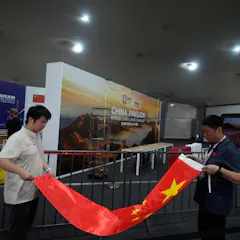
China is hesistant about taking over financial leadership over the global fight against climate change. Here’s why.
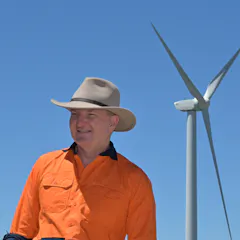
This year will set a record for the addition of renewables to the grid, according to figures to be released on Thursday by the Clean Energy Regulator.

Personal action on climate still has a place – but it works far better with institutional backing
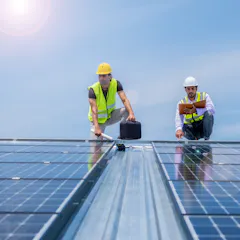
The rapid shift in our electricity system calls for a huge increase in the workforce needed to construct, operate and maintain it. Urgent action on building up this workforce is needed.
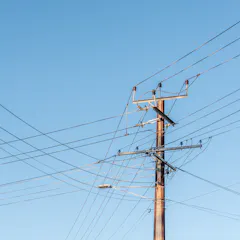
Increased investment in electricity generation, transmission and storage has led to a more positive outlook for the reliability of the system – if these projects are delivered on time.

The scale of the challenge of hitting Australia’s renewable energy target points to the need for a more standardised and inclusive approach to sharing the benefits than we have seen so far.
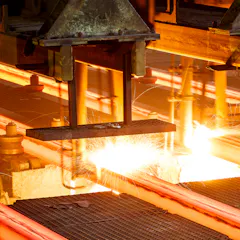
China’s steel mills are shifting to greener production processes which don’t favour Australian iron ore. Australian miners must quickly adapt or get left behind.
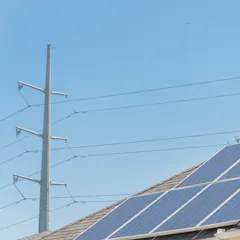
Big changes are needed to create a consumer-centric National Electricity Market that’s able to manage the rise of rooftop solar.
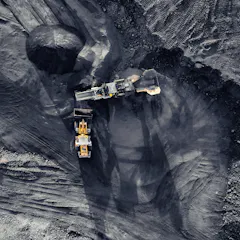
Extractive mining disrupts the balance of the planet’s ecosystems and is set to rise. Could urban mining or degrowth help curb unsustainable practices?
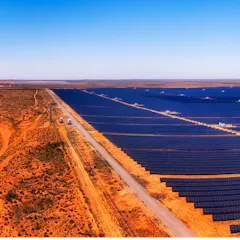
Solar power generation varies greatly depending on the weather. A new study suggests in some parts of Australia, solar has a bright future.
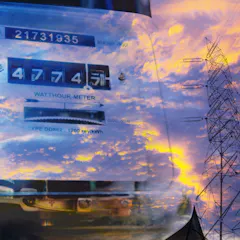
Rather than paying ageing power stations to stay open in the transition to renewable energy, demand flexibility is cheaper and cleaner way to ensure the system has enough capacity.
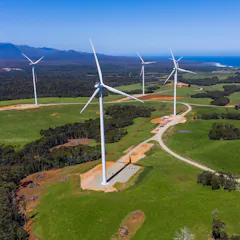
Most people accept our energy system must move from fossil fuels, especially coal, to renewables as soon as practicable. But there are serious obstacles on the ground – literally.

Australia has a lot of wind and sun, but will we actually become a world leader in renewable energy generation?

The European Commission is trying to tackle the energy crisis without dismantling its cross border power market.

Millions will still experience fuel poverty this winter, even with the government’s latest plan to help.

If mining workplaces are anything to go by, the clean energy sector will have their work cut out for them to retain women in the workforce.
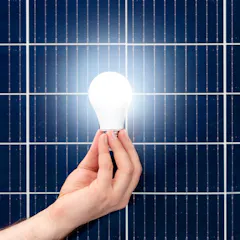
Until now, a more expensive type of silicon was used to produce the highest-efficiency solar panels. Now there’s a way to use cheaper raw materials, cutting the cost of solar power for everyone.
Top contributors
-

Research Principal, Institute for Sustainable Futures, University of Technology Sydney
-
Professorial Fellow, University of Canberra
-
Senior research associate, UNSW
-
Professor, Leader-UQ Solar, The University of Queensland
-
Climateworks Centre Country Lead, Australia, Monash University
-
Project Director - Warwick Solar Farm, The University of Queensland
-
Lecturer in Structural Geology and Metamorphism, James Cook University
-
E-Mobility Research Fellow, The University of Queensland
-
Emeritus Professor, School of Environment and Science, Griffith University
-
Associate professor, UNSW
-
PhD Graduate, Centre for Clean Energy Technologies and Practices, Queensland University of Technology
-
Senior lecturer in Renewable Energy Engineering, UNSW
-
Director, Andrew N. Liveris Academy for Innovation and Leadership & Professor and Chair in Sustainable Energy Futures, The University of Queensland
-
Lecturer, Centre for Social Impact, UNSW
-
Reader in Political Economy, Brunel University of London