
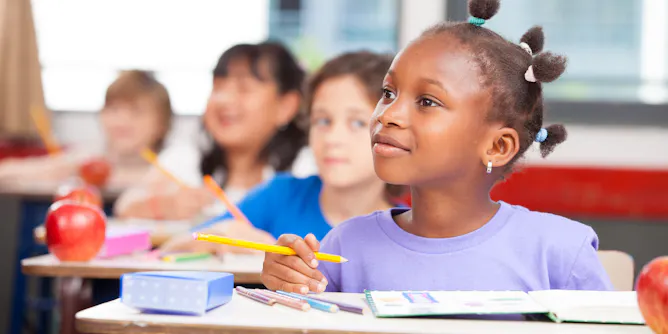
The national average in literacy and numeracy has been unaffected by 2020’s disruptions. But will have to wait until the full NAPLAN data is released to understand the affect on vulnerable students.
Articles on Remote learning
Displaying 41 - 60 of 98 articles
Lyme’s controversy offers four lessons on how parents, school districts, elected officials and scientists can find a path forward in the 2021-2022 school year.

A study of Australian students affected by COVID restrictions found the more adaptable ones had more confidence about online learning and made greater progress. So how can this skill be taught?

Some promoters of educational technology see COVID-19 as a ‘tech reckoning’ for professors who refused to accept progress. But before the pandemic, many students also preferred in-person classes.

Year 12 students in NSW affected by lockdowns will be able to apply for special consideration for exams and special projects. Here’s what Victorian teachers said about a similar policy last year.

Online learning during the pandemic gives students more autonomy. For high-achieving students, especially those in academically mixed classes, that’s an advantage, whereas others might struggle.
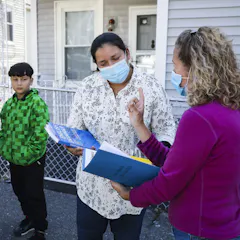
Teachers and students are likely to use a lot more online learning tools than they did pre-pandemic even after in-person classes resume.
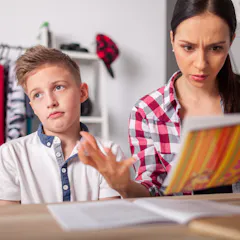
While parents in lockdown might have gained a greater appreciation of what it takes to teach children at home, they haven’t been ‘home schooling’. But 5 tips drawn from home schooling may help them.

Students’ academic worries persisted through the pandemic. A developmental scientist offers tips to support young people heading back to school.
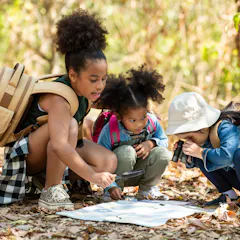
This year summer schools will have to figure out how to tend to the emotional and academic needs of students coming out of remote learning.

We ought to worry that the pandemic has made it even easier to reduce teaching to disseminating knowledge.
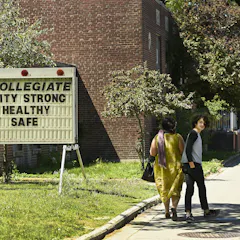
The pandemic education shock has raised five critical issues that demonstrate how student learning and achievement and social well-being are far from mutually exclusive.

A survey of 414 schools across four states has found most school leaders and teachers do not regularly draw on research-based evidence of the sort universities provide.

Insights of neuroscientist Ian McGilchrist, philosopher Nel Noddings and physicist Ursula Franklin help centre students and our collective future in debates about education and technology.
Ultimately, these studies will help us to make sense of how the pandemic is reshaping higher education.
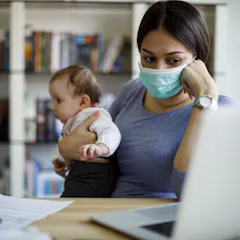
Since the pandemic began, parents have had to negotiate their own workplace demands and other responsibilities with around-the-clock child care responsibilities.

Not everyone needs to be on campus to learn. Governments, which subsidize higher education, need to change their funding models to support affordable remote learning.

If you’re considering homeschooling because your child seems to do better at home, but are unsure if it’s the right thing to do, here are five things to take into account.

Real-life experience suggests that game-based learning (GBL) techniques can be useful in reducing student anxiety toward technical and/or abstract concepts and in increasing class involvement.
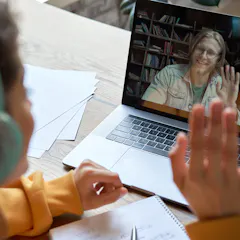
South Africa’s constitution provides for equal access to education and its inclusive education policy exists to make this a reality. But in practice students’ diverse needs are not being met.
Top contributors
-

Deputy Program Director, School Education, Grattan Institute
-
School Education Program Director, Grattan Institute
-
Adjunct Professor, School of Nursing and Midwifery, Western Sydney University
-
Senior Lecturer in Education, Queensland University of Technology
-
Associate professor, RMIT University
-
Professor of Education Policy and Economics, Michigan State University
-
Associate Professor of Learning Sciences and Human Development, University of Washington
-
Lecturer in Education, University of Sydney
-
Professor of Applied Developmental Psychology, University of Maryland, Baltimore County
-
Associate Professor of Early Childhood Education, University of Maryland, Baltimore County
-
Professor of Management, University of North Carolina – Greensboro
-
Professor, Griffith Institute for Educational Research and School of Education and Professional Studies, Griffith University, Griffith University
-
Lecturer, School of Humanities and Social Sciences, University of Newcastle
-
Adjunct Professor, Rossier School of Education, University of Southern California
-
Associate Professor in Inclusive Education and Arts Education, Australian Catholic University