

While the metaverse offers new virtual space for classrooms of the future, it is also rife with potential pitfalls, a scholar of philosophy writes.
Articles on Remote learning
Displaying 21 - 40 of 98 articles
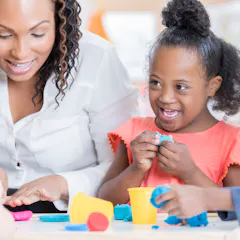
The pandemic and shifts to virtual learning have set many children back academically. The setbacks can be particularly challenging for children with disabilities, but recovery is possible.
From incorporating video-based performances to learning new composition apps, teaching students virtually has forced music educators to learn and share new ways to reach students.
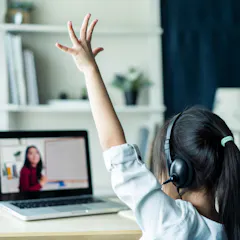
Despite the major challenges lockdown-induced remote learning has presented, teachers, pupils and parents alike have reaped certain benefits. Can school learn from these changes?
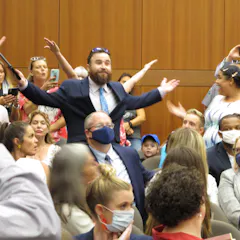
Short-term disputes are really symptoms of deeper divisions in the US over who deserves academic opportunity, and how to present the nation’s history.
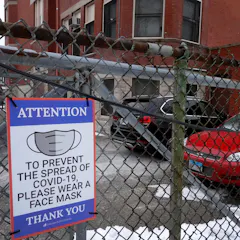
A dispute between the Chicago Teachers Union and the school district over in-person learning has resulted in classes being canceled. An education policy expert explains what is at stake.
Open education resource platforms improve access to education and are globalising education on a scale never seen before.
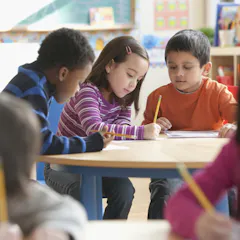
Small-group learning activities can help students build social skills while enhancing academic achievement. This is particularly important for kids who face bullying or discrimination.

Even before the pandemic, access to arts programs and qualified instructors varied greatly among schools and districts.

The shift to emergency remote teaching and learning enabled academics to start questioning some long-held assumptions about in-person teaching and learning.
During the lockdowns last year, many experts and parents were concerned children’s education would suffer. But on average, students did OK. A lot of learning is incidental.
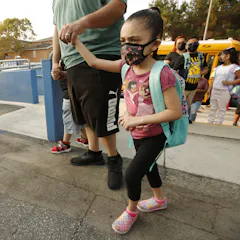
Fewer students enrolled in public school and more were home-schooled during the 2020-21 school year. Researchers analyzed records in Michigan to understand what drove parents to make these decisions.

Year 12 students, particularly in NSW and Victoria, have been disconnected from friends and faced anxiety over the uncertainty of exams. This added to the already high stress levels of this age group.
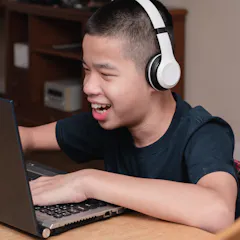
Traditional learning formats often fail marginalized students. We should be skeptical of a ‘one-size-fits-all’ or even ‘one-size-fits-most’ model.
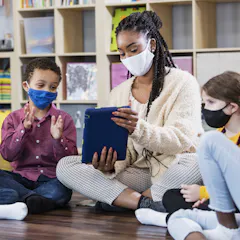
Health concerns, being older than 55 and having to switch to online or hybrid lessons were all factors that made some teachers want to quit or retire.
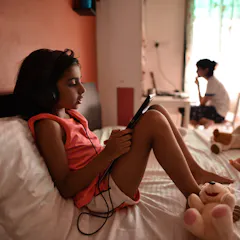
Children missed being with friends but liked the freedom to move around at home. These are some of the takeaways from an education researcher who talked to 30 kids ages 5-8.
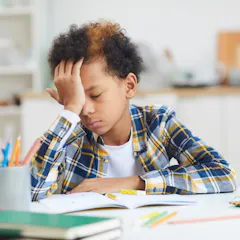
When students shift to learning from home, they lose many of the in-school support structures and resources. While the priority is students’ well-being, schools have developed new teaching strategies.

If we look after children’s well-being, not only will their learning benefit but also the skills they gain to help them manage life’s challenges will endure beyond the pandemic.
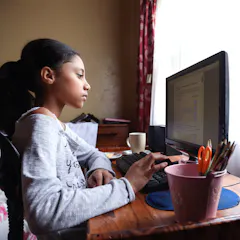
Whether they’re in a classroom or online, students should be encouraged to move around. An expert on learning with technology explains why.
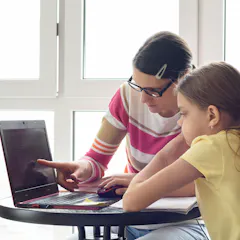
If you think the ‘digital natives’ have better online search skills than their parents, you’d be wrong. But simply telling students what to do isn’t the best way to improve their skills.
Top contributors
-

Deputy Program Director, School Education, Grattan Institute
-
School Education Program Director, Grattan Institute
-
Adjunct Professor, School of Nursing and Midwifery, Western Sydney University
-
Senior Lecturer in Education, Queensland University of Technology
-
Associate professor, RMIT University
-
Professor of Education Policy and Economics, Michigan State University
-
Associate Professor of Learning Sciences and Human Development, University of Washington
-
Lecturer in Education, University of Sydney
-
Professor of Applied Developmental Psychology, University of Maryland, Baltimore County
-
Associate Professor of Early Childhood Education, University of Maryland, Baltimore County
-
Professor of Management, University of North Carolina – Greensboro
-
Professor, Griffith Institute for Educational Research and School of Education and Professional Studies, Griffith University, Griffith University
-
Lecturer, School of Humanities and Social Sciences, University of Newcastle
-
Adjunct Professor, Rossier School of Education, University of Southern California
-
Associate Professor in Inclusive Education and Arts Education, Australian Catholic University